01. Edit your what is box 14 on w2 online
Type text, add images, blackout confidential details, add comments, highlights and more.

Type text, add images, blackout confidential details, add comments, highlights and more.

Draw your signature, type it, upload its image, or use your mobile device as a signature pad.

Send w2 instructions box 14 via email, link, or fax. You can also download it, export it or print it out.
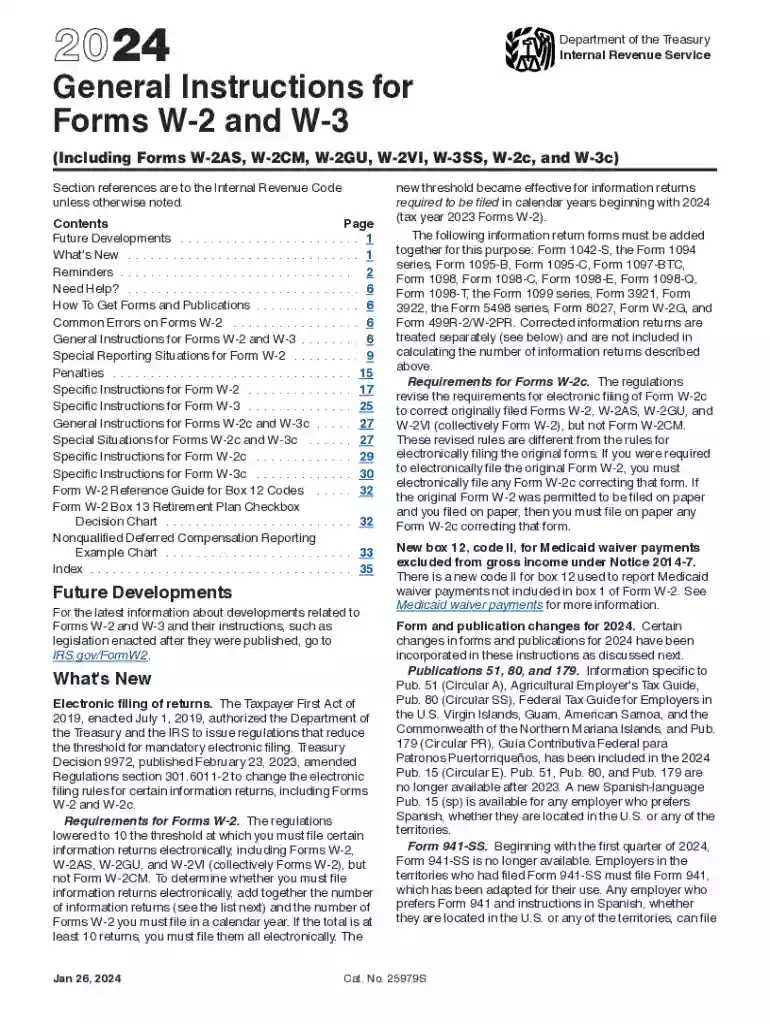
The "Proposed Collection; Requesting comments on Forms W-2" refers to an official initiative by the IRS or other governmental tax body to gather input and feedback from the public and stakeholders on the procedures, content, or any potential changes to Forms W-2. Forms W-2, known as Wage and Tax Statements, are essential tax documents used by employers to report wages paid to employees and the taxes withheld. This request for comments typically aims to improve the form's usability, ensure compliance with current tax laws, and address any issues that stakeholders might encounter.
To provide feedback on Forms W-2, individuals and organizations can follow specific instructions outlined by the IRS or the responsible entity conducting the proposed collection. Generally, stakeholders can access a draft or guideline document for Forms W-2 and submit their comments through various channels, such as email, online forms, or mail. Comments might include suggestions for improving the form's design, clarity, or instructions, as well as identifying potential areas for reducing administrative burdens. Engaging in this process allows users to contribute to regulatory development by highlighting practical challenges and proposing solutions.
Review Documentation: Obtain and carefully review any accompanying documents or guidelines related to the request for comments on Forms W-2.
Identify Issues: Pinpoint specific areas of the form that require feedback. This could include identifying confusing language, complex instructions, or areas prone to errors.
Prepare Comments: Draft detailed comments, including examples or scenarios where applicable, to support your feedback. Ensure that the comments are clear, professional, and directly related to the form's content or instructions.
Submit Feedback: Use the designated submission methods, which may include an email address, online submission portal, or physical mailing address. Verify that all submission guidelines are followed to ensure that the feedback is considered.
Confirmation and Follow-Up: After submission, keep a record of the feedback sent and any confirmation of receipt from the collecting agency. Follow up if needed to ensure that your feedback is considered.
The proposed collection for comments on Forms W-2 involves several key elements:
The proposed collection primarily targets a range of stakeholders:
IRS guidelines dictate the structure, data elements, and legal standards that Forms W-2 must meet. The request for comments process aims to gather insights that can help refine these guidelines, ensuring that forms remain compliant with tax regulations and are straightforward for users to complete. Feedback may address issues related to tax code changes, outdated instructions, or complex filing requirements.
The request for comments on Forms W-2 comes with critical deadlines that must be adhered to. Typically, there are specific windows for when feedback is accepted. Adhering to these deadlines is crucial for ensuring that public opinion is considered before any form changes are enacted.
When participating in this proposed collection process, no specific documents are required beyond the feedback itself. However, providing examples from actual Forms W-2 or reference materials can substantiate the comments and enhance their relevance. Stakeholders might include documented cases of form-related issues, supporting their feedback with real-world data.
While there are no penalties directly related to non-participation in providing comments, failing to comply with eventual updates to Forms W-2 that arise from this process can result in penalties. For instance, employers who fail to adapt to new instructions or requirements may face fines for misreporting or late submissions. Engaging in the comment process helps minimize these risks by ensuring that practical, simplified solutions are implemented.
Feedback might be used to suggest simplifying the explanation of codes on the W-2, propose alternative ways to present common errors and corrections, or recommend additional instructions for specific employee compensation reporting. For instance, stakeholders might request clearer distinctions between state and federal reporting requirements to prevent confusion.
The proposed collection process often allows comments in both digital and paper formats. Digital submission methods typically include emails or online forms, which are convenient for fast processing and record-keeping. Paper submissions might be preferred by stakeholders who wish to provide detailed, annotated feedback with physical support documents.
We've got more versions of the what is box 14 on w2 form. Select the right what is box 14 on w2 version from the list and start editing it straight away!
| Versions | Form popularity | Fillable & printable |
|---|---|---|
| 2025 | 4.8 Satisfied (39 Votes) | |
| 2024 | 4.4 Satisfied (45 Votes) | |
| 2022 | 4.5 Satisfied (37 Votes) | |
| 2021 | 4.8 Satisfied (99 Votes) | |
| 2020 | 4.4 Satisfied (121 Votes) | |
| 2019 | 4.2 Satisfied (161 Votes) | |
| 2018 | 4.4 Satisfied (147 Votes) | |
| 2017 | 4.4 Satisfied (316 Votes) | |
| 2016 | 4.2 Satisfied (51 Votes) | |
| 2015 | 4 Satisfied (56 Votes) | |
| 2014 | 4.2 Satisfied (73 Votes) | |
| 2013 | 4.3 Satisfied (35 Votes) | |
| 2012 | 4 Satisfied (45 Votes) | |
| 2011 | 4.2 Satisfied (74 Votes) | |
| 2010 | 4 Satisfied (46 Votes) |
At DocHub, your data security is our priority. We follow HIPAA, SOC2, GDPR, and other standards, so you can work on your documents with confidence.