





Definition and Meaning of Form Online
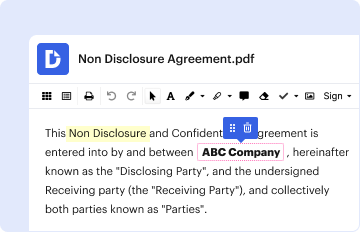
An online form is a digital document that allows users to input data directly on a website or platform. Unlike traditional paper forms, online forms streamline data collection, ensuring that the information is easily accessible and organized in a digital format. These forms are commonly used for a variety of purposes, including application submissions, surveys, registrations, and more.
Features of Online Forms
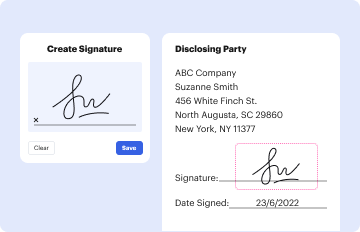
- Interactive Fields: Include checkboxes, text boxes, drop-down menus, and signature fields.
- Digital Submission: Allows for immediate sending and receiving of data.
- Automated Processing: Facilitates swift data processing and organization.
Benefits of Online Forms
- Accessibility: Accessible from any internet-enabled device, providing convenience and flexibility.
- Efficiency: Reduces administrative tasks and enhances workflow productivity.
- Cost-Effective: Minimizes paper usage and associated costs.
How to Use the Form Online
Using an online form involves several straightforward steps that ensure accurate data entry and collection.
Steps to Use an Online Form
- Access the Form: Locate the form on the website or platform where it is hosted.
- Fill Out Required Fields: Enter the necessary information in the appropriate fields. Pay attention to required fields marked with an asterisk (*).
- Review Your Entries: Double-check the information for accuracy and completeness.
- Submit the Form: Click the submit button to send the data to the recipient.
Best Practices
- Read Instructions Carefully: Ensure you understand all requirements and sections.
- Use Accurate Information: Provide current and precise data to prevent processing errors.
- Save a Copy: If possible, save a copy of the submitted form for your records.
Steps to Complete the Form Online
Completing an online form involves a series of actions that facilitate accurate submission.
Detailed Steps
- Initiate the Form: Begin by accessing the designated online form on the relevant platform.
- Populate Fields: Input your information in all requested areas, ensuring accuracy and completion.
- Add Attachments: If the form requires additional documents, upload them as directed.
- Validate Your Input: Confirm all data, ensuring no fields are left empty, especially those marked as mandatory.
- Consent and Submit: Agree to any required terms and conditions before submitting your form.
Additional Considerations
- Multiple Attempts: Some platforms allow you to save and return to comprehensive forms at a later time.
- Error Messages: Look for any pop-up alerts that indicate incomplete or incorrect fields and resolve them before submitting.
Why Should You Form Online
Using forms online provides numerous advantages that enhance both user experience and efficiency in data handling.
Advantages
- Instant Delivery: Information is immediately sent to the receiving entity, expediting processing times.
- Environmental Impact: Reduces paper waste, contributing to a more sustainable practice.
- Data Integrity: Online platforms often include validations that help ensure data accuracy.
Typical Applications
- Job Applications: Many employers prefer online submissions for ease of access and processing.
- Event Registrations: Online forms facilitate quick and accurate guest list management.
Who Typically Uses the Form Online
Online forms cater to a diverse audience, each leveraging the ease and efficiency of digital data collection.


Common Users
- Businesses: Employ online forms for customer information, order placements, and feedback collection.
- Educational Institutions: Use forms for enrollment, course registration, and surveys.
- Government Agencies: Enable citizens to apply for permits, licenses, and other services.

User Benefits
- Convenience: Users can access and submit forms anytime from any device.
- Speed: Reduces time spent on manual data entry and processing.
Key Elements of Online Forms
An effective online form includes specific elements that facilitate successful data collection and submission.
Essential Components
- Clear Instructions: Offer guidance on how to properly fill out each section.
- Logical Flow: Organize fields in a coherent order that follows the form's purpose.
- Validation Checks: Ensure inputs meet specified criteria before submission.
Enhancements
- Auto-fill Options: Help users quickly complete forms with common or previously entered information.
- Responsive Design: Ensures accessibility and readability on various devices.
Examples of Using the Form Online
Online forms have numerous applications across different industries and scenarios.
Case Studies
- Insurance Claims: Users can digitally submit claims, providing all required documentation through an online form.
- University Applications: Students apply for programs via comprehensive digital forms that collect academic and personal data.
Real-World Scenarios
- Conference Registration: Attendees register for events through forms that also manage payment and special requests.
- Customer Surveys: Companies gather feedback on products or services to improve consumer experiences.
Legal Use of the Form Online
Ensuring that forms are used legally and appropriately is crucial for both individuals and organizations.
Compliance Requirements
- Data Privacy Laws: Forms must adhere to regulations like the GDPR or CCPA to protect user information.
- Electronic Signatures: Ensure that e-signatures collected are legally recognized and compliant with acts such as the ESIGN Act.
Security Measures
- Encryption: Implement SSL encryption for secure data transmission.
- Authentication Processes: Use verification procedures to protect sensitive information and verify user identity.
By understanding these elements of online forms, users and organizations can fully leverage their capabilities, ensuring efficient, secure, and accurate data handling.