






Definition & Meaning
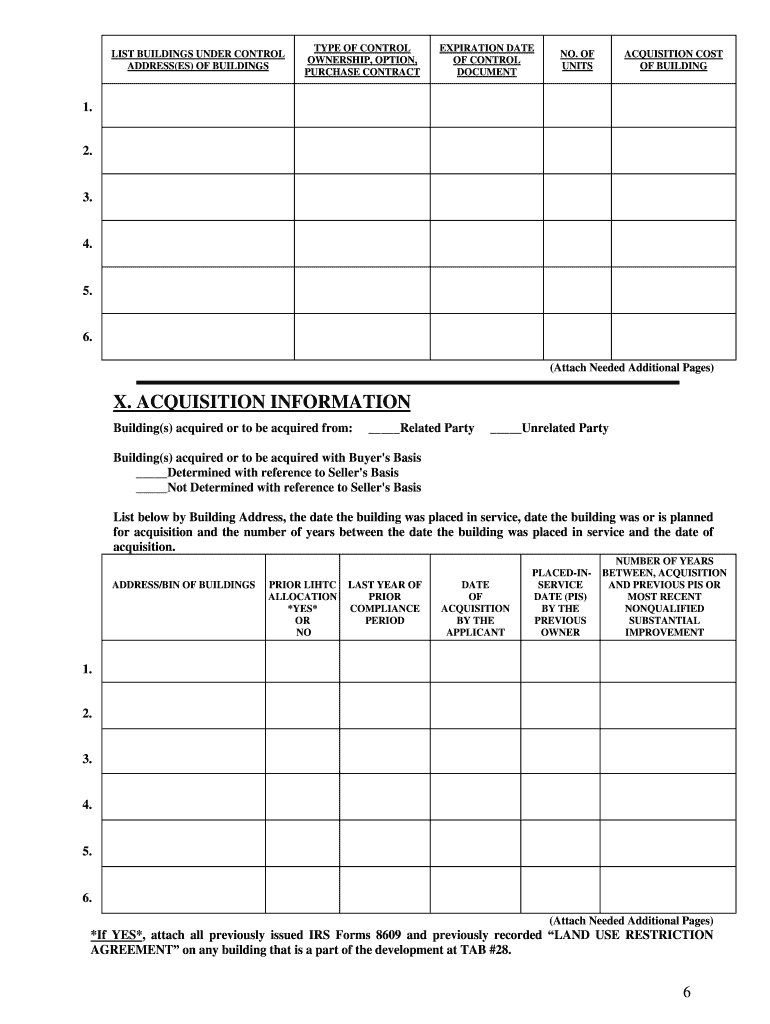
The "X Acquisition Information - Arkansas" form serves as a document to provide detailed information about acquisitions related to real estate in Arkansas. This may include details on property ownership, acquisition costs, and compliance with state-specific regulations. The primary objective is to ensure accurate reporting and compliance with local laws governing real estate transactions and ownership transfers.
This form is crucial for those handling property transactions, as it compiles essential data required for legal and financial evaluation, ensuring that all necessary information is captured for regulatory purposes. Those involved in land or building acquisitions must utilize this form to reflect comprehensive acquisition details, which aids in maintaining transparency and regulatory compliance.
How to Use the X Acquisition Information - Arkansas
To effectively utilize the X Acquisition Information - Arkansas form, individuals should follow a specific process ensuring all information is accurately provided. This form primarily assists in documenting comprehensive details surrounding a property acquisition.
- Gather Information: Collect all necessary data related to the acquisition, including property address, ownership details, and financial terms.
- Complete the Form: Fill in each section with the required information. Double-check for accuracy in reporting acquisition costs and dates.
- Review Compliance Requirements: Ensure that all details comply with relevant Arkansas state regulations regarding real estate acquisition.
- Submit Form: Depending on state guidelines, submit the form through designated channels such as online submission, via mail, or in person.
- Retain a Copy: Keep a copy of the completed form for personal records and future reference.
This structured process ensures that the form is utilized efficiently and in compliance with state requirements.
Steps to Complete the X Acquisition Information - Arkansas
Completing the form involves several key steps that must be followed meticulously to guarantee accuracy and compliance.
- Ownership Details: Begin with providing the full legal names of all parties involved in the acquisition. Include contact information and any previous ownership records.
- Acquisition Costs: Detail the total acquisition costs, including purchase price, associated fees, and taxes. Clearly itemize each component of the cost.
- Property Description: Offer a comprehensive description of the property, including its address, type (e.g., residential, commercial), and any distinctive features.
- Compliance Information: Document any previous compliance with local or federal programs, such as the Low-Income Housing Tax Credit (LIHTC), as well as any agreements tied to the property.
- Historical Compliance Periods: Specify any historical compliance obligations that apply, ensuring you note obligations tied to prior acquisitions or ownership periods.
- Expiration Dates of Control Documents: Include any expiration dates for control documents related to property taxes, zoning, or deeds.
- Submit and Archive: Finalize the form by reviewing for completeness and accuracy, then submit it through official channels while archiving a copy for your records.
This comprehensive approach ensures that all relevant areas are addressed and the form is appropriately completed.
Important Terms Related to X Acquisition Information - Arkansas
Understanding the terminology is crucial for correctly interpreting and completing the form. Here are some key terms:
- Acquisition Cost: The total cost incurred to acquire a property, encompassing purchase price, closing costs, and associated fees.
- Compliance Period: A timeframe during which the acquired property must meet specific program or legal requirements.
- Low-Income Housing Tax Credit (LIHTC): A federal program encouraging the development of affordable housing through tax incentives.
- Expiration Dates: Dates when control documents or compliance requirements lapse, necessitating renewals or reevaluation.
Familiarity with these terms aids in precise completion and ensures that the form reflects accurate and comprehensive information.
Legal Use of the X Acquisition Information - Arkansas
The form is a legally binding document used to report acquisitions of real estate within Arkansas. It encapsulates the legal obligations tied to property transactions, ensuring compliance with both state and local laws. The information provided is used for regulatory assessments and to verify adherence with tax and housing programs.
Legal use of the form guarantees transparency in real estate dealings, helping to prevent fraudulent practices and ensuring all parties meet their legal obligations during and after the acquisition process.
Key Elements of the X Acquisition Information - Arkansas
There are several critical elements to focus on when dealing with this acquisition form:
- Ownership Tenure: Historical and current tenure details must clearly outline ownership sequences.
- Control Documents: Include any documents related to the control of the property, such as deeds, liens, or easements.
- Compliance and Regulatory Details: Information on past and present compliance with relevant regulations is essential.
- Financial Breakdown: This should include all costs and fees associated with the acquisition process.
Each element ensures that the form remains comprehensive and provides all necessary data for regulatory compliance and property management.
Examples of Using the X Acquisition Information - Arkansas
Practical examples showcase the form's utility:
- Real Estate Investors: Used by real estate investors acquiring multi-unit buildings to document the acquisition cost and ensure compliance with Arkansas housing laws.
- Non-Profit Housing Organizations: Essential for organizations involved in low-income housing projects to report compliance and secure tax credits.
- Commercial Real Estate Firms: Utilized to facilitate transparency and legal compliance during large-scale property acquisitions.
Such examples illustrate the form’s versatility across different real estate scenarios within Arkansas.
Filing Deadlines / Important Dates
For effective compliance, attention to filing deadlines and important dates is paramount. Different acquisitions may have specific deadlines based on fiscal year closings or regulatory timelines.
- Fiscal Year Closing Dates: Align form submission with the closing of the fiscal year for accurate reporting.
- Regulatory Compliance Deadlines: Specific dates by which compliance-related information must be submitted to state authorities.
Staying aware of these dates ensures timely submission, avoiding penalties and ensuring compliance with legal requirements.