Definition and Meaning of Payroll Tax Forms
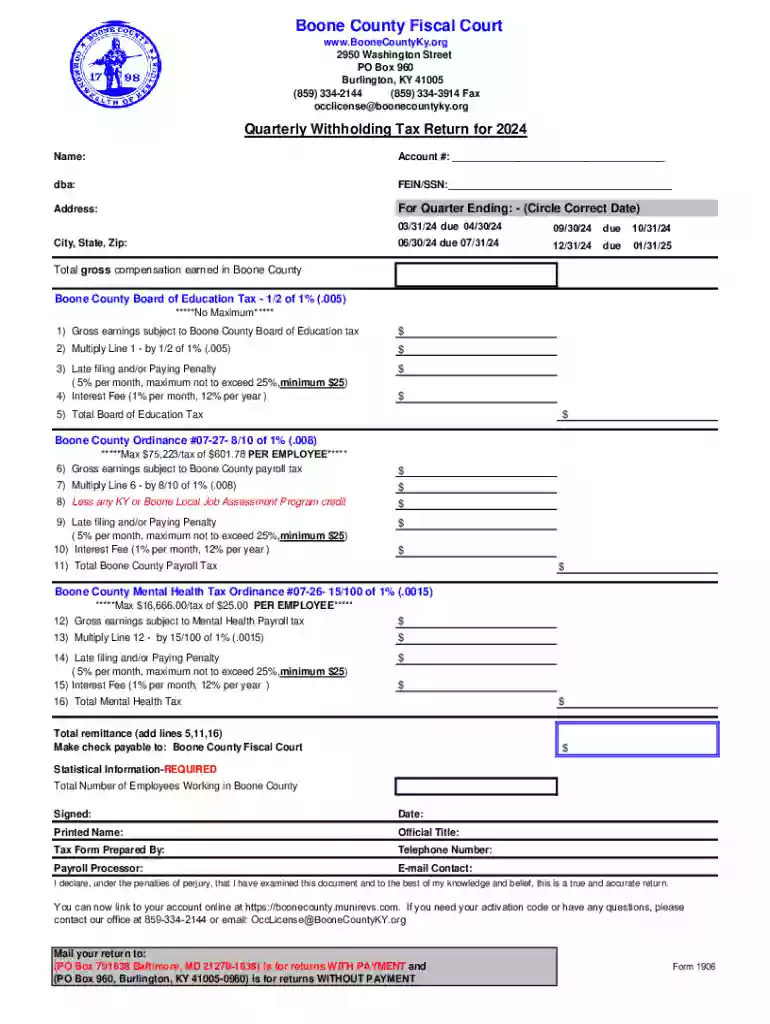
Payroll tax forms are vital documents used for reporting employee compensation, withheld taxes, and various payroll-related data to tax authorities, such as the Internal Revenue Service (IRS) and state tax agencies in the United States. These forms ensure compliance with federal, state, and sometimes local tax laws by detailing the amounts withheld from employee wages for income taxes, Social Security, Medicare, and other purposes. Common payroll tax forms include the W-2, which reports annual wages and tax withholdings, and Form 941, which is a quarterly report of payroll taxes.
- Purpose and Scope: Payroll tax forms serve to provide official records and verify tax compliance. They outline the tax liabilities of both employers and employees, consolidating necessary information required for accurate tax calculation and filing.
- Common Types: Widely used forms include W-2, W-3, 941, 940, and 944, among others. Each serves a distinct function related to payroll tax reporting.
How to Use Payroll Tax Forms
Understanding how to properly utilize payroll tax forms is integral for accurate tax submission and compliance:
- Select the Appropriate Form: Determine which form applies to your business or employment situation. For instance, use a W-2 for reporting employee wages or a Form 941 for quarterly withholding.
- Gather Necessary Information: Collect pertinent data such as employee social security numbers, wages, withholding amounts, and employer identification numbers (EINs).
- Complete the Form: Use accurate figures to fill out the required fields. Ensure that all prerequisite sections are thoroughly reviewed to avoid errors.
- Review and Verify: Conduct a meticulous review to verify that all information is correct. This step is crucial to avoid processing delays or penalties.
- File the Form: Submit the completed form to the IRS or state tax agency by the specified deadline. Options for filing include electronic submission, mail, or in-person delivery.
How to Obtain Payroll Tax Forms
Obtaining the necessary payroll tax forms is a straightforward process:
- IRS Website: The IRS provides downloadable forms on its official website, ensuring easy access to all current payroll forms.
- Mail: In some circumstances, you can request hard copies of forms to be mailed by contacting the IRS directly.
- Authorized Providers: Authorized tax software solutions like TurboTax or QuickBooks often integrate these forms within their platforms, streamlining the process.
Steps to Complete the Payroll Tax Forms
Completing payroll tax forms correctly is crucial. Follow these steps for a streamlined filing experience:
- Read Instructions Carefully: Each form comes with a set of instructions detailing how to fill it out and submit it.
- Enter Basic Information: Start with the legal names, addresses, and identification numbers for both the employer and employee.
- Calculate Wages and Taxes: Ensure that gross wages and tax withholdings align accurately with payroll records.
- Fill in Required Fields: Complete each relevant section of the form, adhering closely to guidelines.
- Review for Accuracy: Double-check your entries to prevent errors.
- Sign and Date: Make sure the form is signed by the authorized individual.
- Submit by Deadline: File using the appropriate method, ensuring it is received by the due date to avoid penalties.
Key Elements of Payroll Tax Forms
Understanding the critical components of payroll tax forms aids in their completion:
- Employee Information: This includes names, social security numbers, and addresses of employees.
- Employer Details: Employer Identification Number (EIN), business name, and address are required.
- Wage Data: Gross wages, tips, and other compensation must be included.
- Tax Withholdings: Report all federal and state tax withholdings, along with any additional withholdings for Social Security and Medicare.
Filing Deadlines and Important Dates
Staying aware of key deadlines is essential for compliance:
- Annual Forms: The W-2 must be completed by January 31st for the previous tax year.
- Quarterly Forms: Form 941 is due at the end of the month following each quarter's end, with the final quarter due by January 31st.
- Extensions: In certain cases, extensions may be requested, but this requires approval from the IRS and adherence to specified procedures.
Penalties for Non-Compliance
Failing to accurately file payroll tax forms can have serious consequences:
- Monetary Penalties: The IRS can impose fines for late submissions or inaccuracies.
- Interest Charges: On unpaid taxes, interest accrues until the balance is paid in full.
- Legal Consequences: Severe or repeated non-compliance can result in further actions, including audits.
State-Specific Rules for Payroll Tax Forms
Payroll tax requirements can vary significantly by state:
- State-Specific Forms and Deadlines: Each state may have its own forms and deadlines. It's important to check with your state's tax department for specific requirements.
- Additional Withholdings: Some states may impose additional taxes, such as disability insurance or local income tax.
Digital vs. Paper Versions
The choice between digital and paper forms often depends on convenience and accuracy:
- Digital Forms: These offer the advantages of speed and ease, often integrating checks for errors and quick submission.
- Paper Forms: These provide a physical record but can be more time-consuming and prone to manual errors.
IRS Guidelines for Payroll Tax Forms
Adhering to IRS guidelines ensures compliance:
- Form Accuracy: Ensure all provided data aligns with IRS standards.
- Record Retention: Keep copies of filed forms and related documents for at least four years.
- Amendments: Utilize correction forms to amend previously submitted forms when mistakes are detected.