
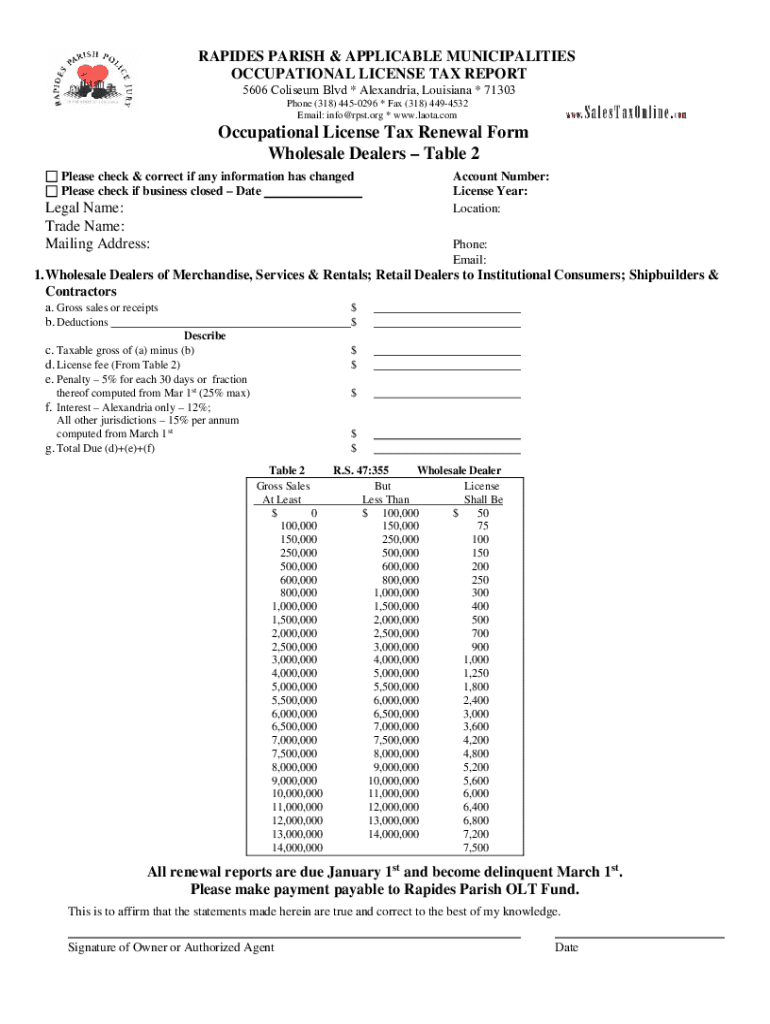







Definition & Meaning
Wholesale refers to the process of selling goods in large quantities at a discounted rate to retailers, rather than directly to consumers. This business model allows retailers to purchase products at lower costs and subsequently sell them at a markup to the end user. The wholesale sector plays a crucial role in the supply chain by acting as a bridge between manufacturers or producers and retailers. Wholesale transactions often involve bulk orders, enabling suppliers to streamline logistics and operations, which in turn benefits the entire market economy by fostering competitive pricing.
How to Use Wholesale
To effectively leverage the wholesale model, businesses should establish strategic partnerships with reliable suppliers. Start by conducting thorough research to identify potential wholesalers who offer quality products at competitive prices. Evaluate their terms and conditions, such as payment options and return policies, to ensure that they align with your business needs. Engage in negotiations to achieve favorable pricing and establish a long-term working relationship. Once partnerships are established, integrate inventory management systems to track bulk orders, ensuring supply meets demand without leading to overstock or stockouts.
How to Obtain the Wholesale License
Obtaining a wholesale license, also known as a resale license, is a crucial step for businesses looking to purchase goods at wholesale prices. The process typically involves registering your business with the state and applying for a license through your state's Department of Revenue or a similar agency. Requirements may vary by state but usually include details such as your business name, structure, and tax identification number. Once the application is submitted and approved, you will be granted a wholesale license, allowing you to legally purchase goods tax-free from wholesalers for resale purposes.
Steps to Complete the Wholesale Process
- Research and Select Wholesalers: Identify potential vendors who supply the products you need. Analyze their offerings, pricing, and reputation.
- Negotiate Terms: Discuss and agree on purchase terms, pricing, and payment schedules with the chosen wholesalers to ensure mutually beneficial agreements.
- Order Placement: Place bulk orders as per your business needs. Clearly communicate quantities, specifications, and delivery schedules.
- Inventory Management: Utilize inventory management tools to monitor stock levels and anticipate future needs to maintain efficient operations.
- Sales and Distribution: Focus on retail or distribution strategies to effectively sell products to consumers or other businesses.
- Review and Optimize: Regularly review partnerships and processes for opportunities to improve pricing, terms, and overall supply chain efficiency.
Important Terms Related to Wholesale
- Bulk Pricing: Discounts offered by wholesalers based on the purchase volume, encouraging larger orders.
- Minimum Order Quantity (MOQ): The smallest quantity of a product a wholesaler is willing to sell, which often dictates pricing structures.
- Supply Chain Management: Overseeing the flow of goods from suppliers to end-users, crucial in wholesale transactions.
- Net Terms: Payment terms indicating when payment is due post-delivery, such as Net 30, meaning payment is due 30 days after delivery.
- Resale Certificate: A document that allows businesses to purchase goods tax-free, intended for resale to consumers.
Legal Use of the Wholesale License
Holding a wholesale license legally permits businesses to purchase goods without paying sales tax, provided these goods are intended for resale. To comply with legal regulations, it is important to maintain accurate records of all purchases made under the license, as well as sales made to final consumers. Businesses must also ensure that the wholesale transactions align with their license's designated purpose. Non-compliance can result in penalties and revocation of the license. Additionally, if a business expands operations into other states, it may be necessary to obtain additional licenses specific to those jurisdictions.
State-specific Rules for the Wholesale License
Each state in the United States has distinct rules governing the issuance and use of wholesale licenses. For instance, some states may require annual renewal of the license, while others might stipulate regular reporting of wholesale transactions. States like California and New York may have specific regulations on items classified as taxable versus non-taxable. It is essential for businesses to consult the specific guidelines of their residing state to ensure full compliance with local laws and regulations. Engaging with a local business advisor or legal consultant can help navigate complex state-specific requirements.
Required Documents for Wholesale Licensing
Applying for a wholesale license necessitates specific documentation to verify business legitimacy. Common required documents include:
- Business Registration Certificate: Proof of registration with the state or local government.
- Tax Identification Number (TIN): Issued by the IRS, confirming the business is recognized for tax purposes.
- Proprietor's Identification: Government-issued ID of the business owner or responsible party.
- Proof of Business Address: This may include lease agreements or utility bills showing the business's operating location.
- Sales Tax Permit: May be required for submission, depending on the state regulations and business operations.
Penalties for Non-Compliance with Wholesale Regulations
Businesses found to be non-compliant with wholesale regulations may face various penalties, depending on the severity of the infraction. Common penalties include fines, revocation of the wholesale license, and back payment of unpaid taxes with interest. In severe cases, businesses might undergo auditing and be required to provide comprehensive documentation of all transactions and tax filings. To prevent such issues, businesses should conduct regular audits of their compliance with state-specific reporting and licensing requirements. Maintaining transparency and staying informed about changes in state and federal laws is vital to avoiding legal repercussions.


