




01. Edit your form online
Type text, add images, blackout confidential details, add comments, highlights and more.

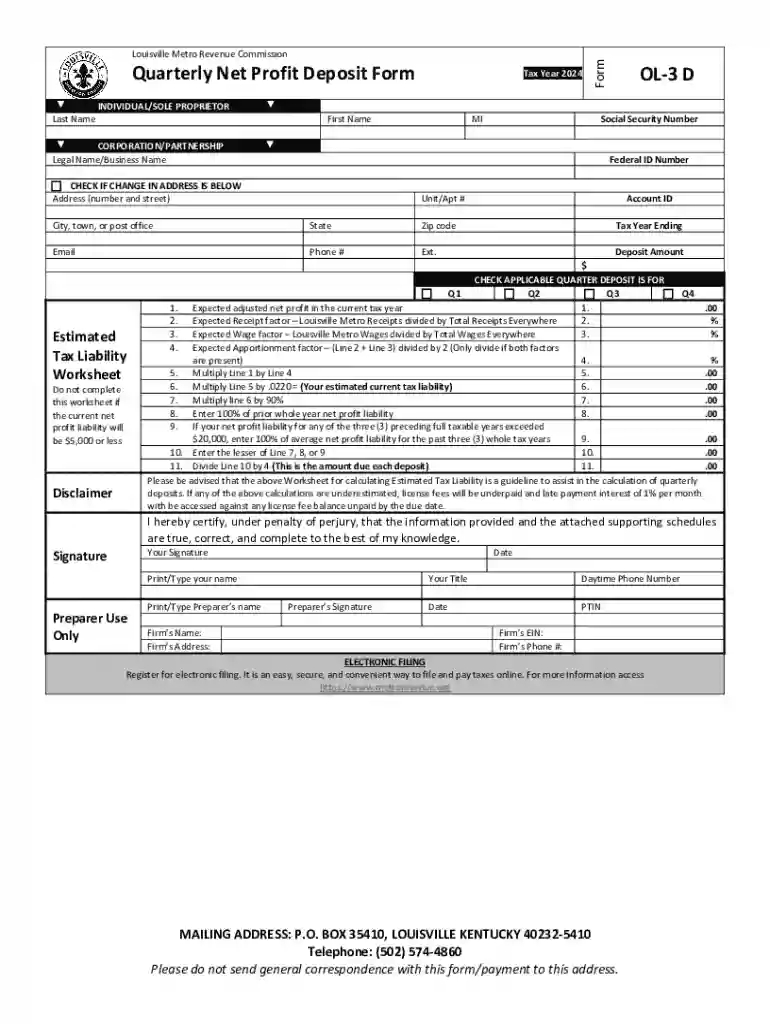
Type text, add images, blackout confidential details, add comments, highlights and more.

Draw your signature, type it, upload its image, or use your mobile device as a signature pad.

Send it via email, link, or fax. You can also download it, export it or print it out.
The term "Legal Name Business Name" can represent different concepts depending on context. Generally, it refers to the distinction between a business's legal name—the name registered with official authorities—and the name it's commonly known by, or its "doing business as" (DBA) name. Understanding this distinction is important for businesses operating under a different trade name as it involves compliance with legal and financial regulations.
In practice, a business's legal name is the official name used on legal documents and registrations, such as tax filings and contracts. Conversely, the business name or DBA is the name presented to clients and the public. This distinction ensures clarity in business operations, tax obligations, and regulatory compliance.
Understanding the components that make up a business's legal name and business name is crucial for proper compliance.
The distinction helps businesses maintain clear demarcations between formal legal documents and everyday business operations.
When registering a legal name or a DBA, businesses must follow certain steps to ensure correct and lawful registration.
These steps ensure that a business is legally recognized by both its legal name and any alternate business names.
Several types of enterprises and entrepreneurs typically require the use of both legal and business names.
These distinctions allow various types of businesses to maintain separate legal identities while promoting under market-friendly names.


Navigating business naming conventions includes understanding several key terms:
Familiarity with these terms is essential for owners to ensure proper legal standing and brand protection.
Using a business's legal name and DBA properly can help prevent legal and financial discrepancies.
Following these guidelines ensures legal compliance while promoting operational efficiency.
Failure to correctly register and use business names can result in significant penalties that businesses should be aware of:
Being aware of these penalties stresses the importance of compliance in business name registration.
Businesses must maintain awareness of various filing deadlines associated with maintaining their legal identity.
Tracking these deadlines ensures ongoing compliance and continuity in business operations.
The rules for registering and using business names vary significantly from state to state:
Understanding the specific rules in your state ensures compliance and the protection of business interests.
We've got more versions of the Legal Name Business Name form. Select the right Legal Name Business Name version from the list and start editing it straight away!
At DocHub, your data security is our priority. We follow HIPAA, SOC2, GDPR, and other standards, so you can work on your documents with confidence.
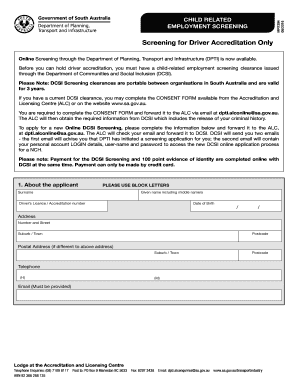


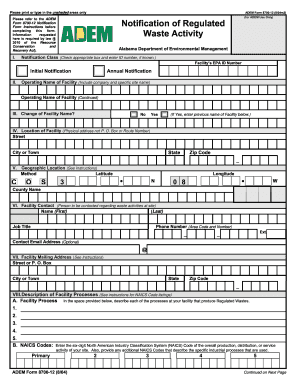
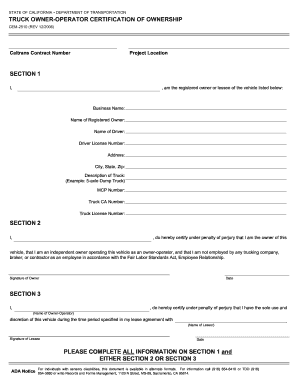


A DBA lets you conduct business under a different identity from your own personal name or your formal business entity name. As an added bonus, getting a DBA andRead more
A fictitious business name is a name used by a natural person or entity for conducting business under such a name, which is different from its legal name.Read more


