




01. Edit your form online
Type text, add images, blackout confidential details, add comments, highlights and more.

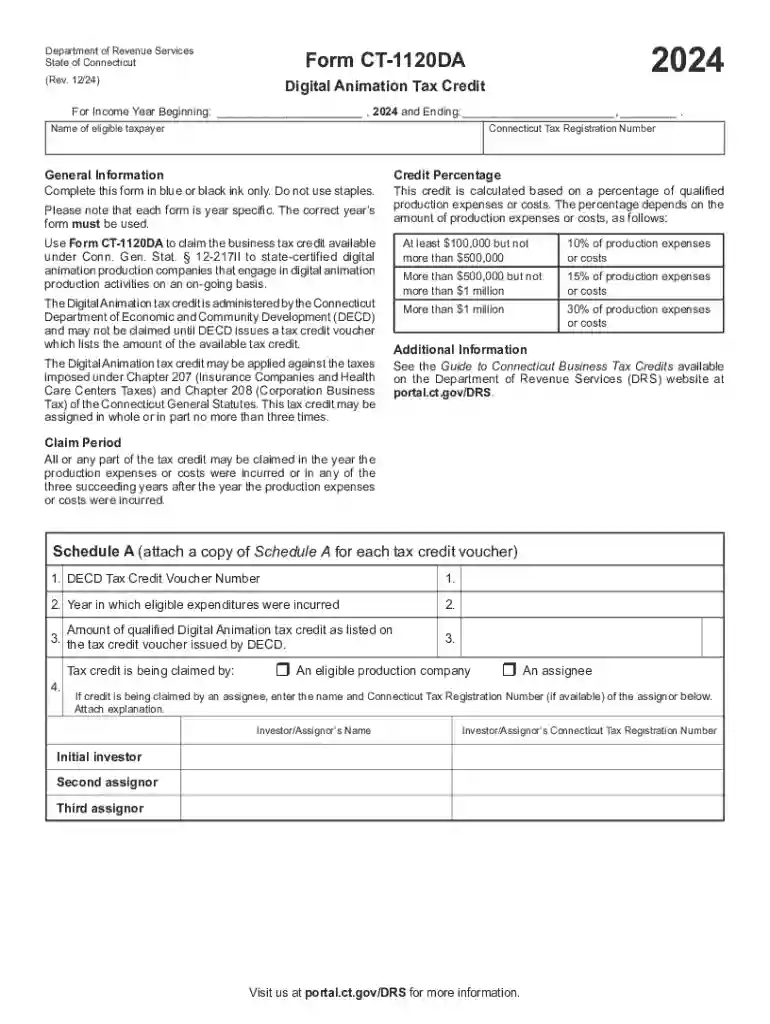
Type text, add images, blackout confidential details, add comments, highlights and more.

Draw your signature, type it, upload its image, or use your mobile device as a signature pad.

Send it via email, link, or fax. You can also download it, export it or print it out.
The "$600-per-child CT income tax credit" refers to a proposed tax policy in the state of Connecticut aimed at providing financially supportive relief to families. Specifically, it offers a tax credit of $600 for each qualifying child within a household. This credit is designed to reduce the overall income tax burden on families and is part of a broader initiative to support household economic stability.
The tax credit proposal is part of Connecticut's efforts to enhance fiscal relief for families with children. The credit reduces the taxable income, effectively lowering the overall amount of income tax expected to be paid by eligible families. The intention is to ease financial burdens and foster economic growth by reallocating financial resources towards families.
To use the $600-per-child tax credit in Connecticut, eligible taxpayers must claim the credit when filing their state income tax returns. The process involves identifying the qualified dependents and reporting them in the appropriate section of the tax return form.
When filing taxes, ensure to complete the sections that pertain specifically to dependent credits. It's essential to accurately input each child's information to ensure eligibility and correctness of the claimed amount. The tax software may guide taxpayers through the process, automatically applying eligible credits based on the dependent information entered.
To obtain this tax credit, individuals must file their Connecticut state income tax return, ensuring they meet all eligibility criteria and include all required documentation. Eligible dependents must be accurately reported on the tax return form to receive the credit.
Documents that verify the household's eligibility, such as birth certificates or Social Security numbers for each dependent, may be necessary during this process. Taxpayers should maintain records of these documents and be prepared to present them if required during a verification process by tax authorities.
To qualify for the $600-per-child tax credit, taxpayers must meet specific residency, income, and familial criteria set forth by the state of Connecticut. Each child claimed as a dependent must meet defined qualification standards such as age limits, residency requirements, and dependent status.
Generally, qualifying children include those who are below a certain age, reside in the taxpayer's household for more than half the year, and meet relationship criteria stipulated by the tax code. Additionally, the taxpayer's income must fall within the eligible range established for the credit.


Taxpayers need several essential documents to apply for the $600-per-child CT income tax credit. These include:
Connecticut taxpayers must file their state income taxes, including the application for this credit, by the state’s official tax deadline, typically April 15. Understanding and adhering to this deadline is critical to ensure the credit is applied during that tax year. Late filings may result in forfeiting the credit for that tax period or incurring potential penalties.
Connecticut-specific rules govern the application and implementation of this tax credit. The rules define eligibility, income thresholds, and documentation requirements unique to Connecticut’s tax code. Understanding these rules is crucial for effective tax planning and ensuring compliance with state tax laws.
Differences in state tax codes mean that a credit available in Connecticut might differ significantly from similar credits in other states. Therefore, it is vital for taxpayers to stay informed about any legislative changes or updates to tax laws that might affect eligibility or the credit amount.
We've got more versions of the Push for $600-per-child CT income tax credit faces big form. Select the right Push for $600-per-child CT income tax credit faces big version from the list and start editing it straight away!
| Versions | Form popularity | Fillable & printable |
|---|---|---|
| 2024 | 4.7 Satisfied (42 Votes) | |
| 2023 | 4.7 Satisfied (24 Votes) | |
| 2022 | 4.2 Satisfied (33 Votes) | |
| 2021 | 4.9 Satisfied (30 Votes) | |
| 2020 | 4.8 Satisfied (146 Votes) | |
| 2019 | 4.3 Satisfied (48 Votes) | |
| 2018 | 4.4 Satisfied (55 Votes) | |
| 2016 | 4.3 Satisfied (137 Votes) | |
| 2015 | 4 Satisfied (55 Votes) | |
| 2014 | 4.3 Satisfied (49 Votes) | |
| 2013 | 4.1 Satisfied (51 Votes) | |
| 2012 | 4 Satisfied (60 Votes) |
At DocHub, your data security is our priority. We follow HIPAA, SOC2, GDPR, and other standards, so you can work on your documents with confidence.

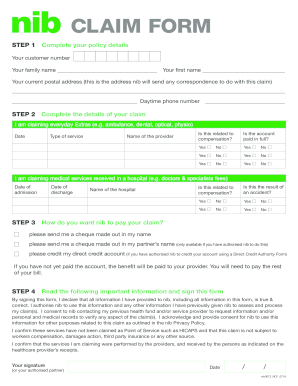


the Rescue Plan temporarily raised the credit to $3,600 per child under the age of 6 and $3,000 per child the largest tax cut for low-and-middle-income
Special consideration should be given to certain sensitive subpopulations, such as women of child-bearing age, pregnant women, and young children.
by DP Gitterman 2003 Cited by 16 Eligible families can claim a credit for each qualifying dependent child; in tax year 2002, the per-child credit was $600. The CTC provides income support to a


