




01. Edit your california automobile insurance coverage online
Type text, add images, blackout confidential details, add comments, highlights and more.

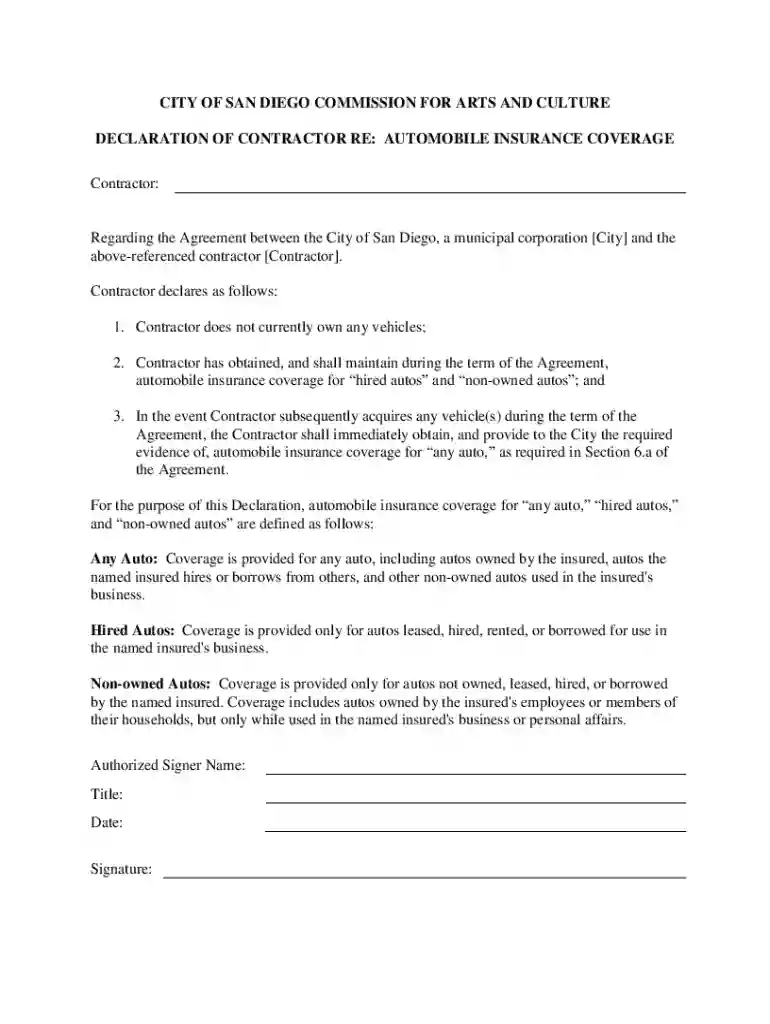
Type text, add images, blackout confidential details, add comments, highlights and more.

Draw your signature, type it, upload its image, or use your mobile device as a signature pad.

Send it via email, link, or fax. You can also download it, export it or print it out.
The "CONTRACT FOR CONSULTANT SERVICES" is a formal agreement often utilized by businesses or governmental entities, such as the City of San Diego, to engage the services of an external consultant. This document serves to outline the scope of work, responsibilities, and deliverables expected from the consultant. It provides a legal framework ensuring both parties understand their commitments and the standards by which the services will be delivered. At its core, the purpose is to facilitate a clear, mutual understanding of the project's objectives, terms of payment, timeline, and confidentiality requirements.
Successfully completing a "CONTRACT FOR CONSULTANT SERVICES" involves several crucial steps that ensure the document is thorough and legally binding:
A comprehensive "CONTRACT FOR CONSULTANT SERVICES" should encompass several essential components that protect the interests of both the client and the consultant:
This form is primarily used by organizations or government bodies engaging external expertise for specialized tasks. Typical users include:


Legal use of the "CONTRACT FOR CONSULTANT SERVICES" requires adherence to state and federal laws governing contractual agreements. Key considerations include:
Understanding the following terms is crucial to navigating and executing a "CONTRACT FOR CONSULTANT SERVICES":
State laws can influence the structure and enforceability of a "CONTRACT FOR CONSULTANT SERVICES." Considerations for U.S.-based agreements include:
Non-compliance with a "CONTRACT FOR CONSULTANT SERVICES" can lead to significant repercussions:
We've got more versions of the california automobile insurance coverage form. Select the right california automobile insurance coverage version from the list and start editing it straight away!
At DocHub, your data security is our priority. We follow HIPAA, SOC2, GDPR, and other standards, so you can work on your documents with confidence.

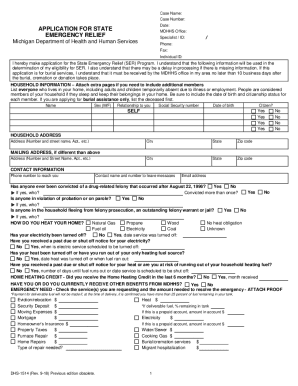
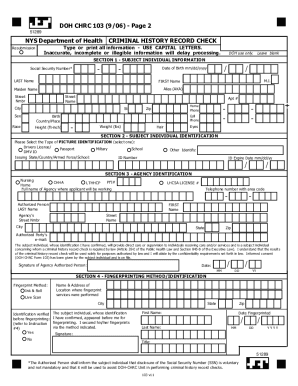
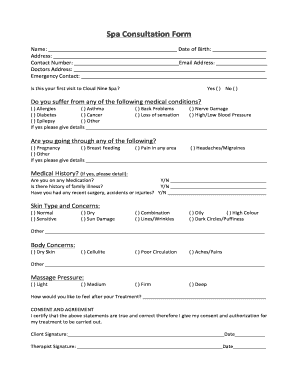
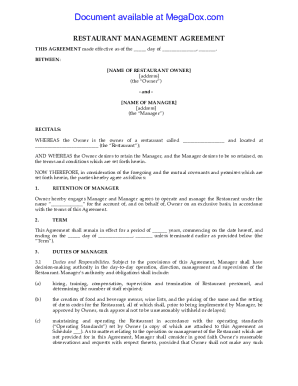
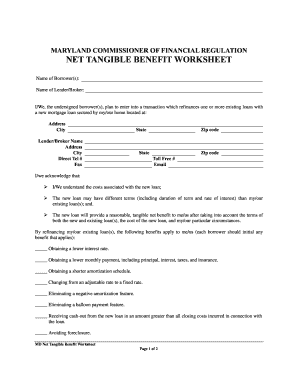
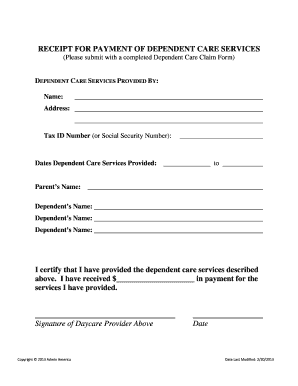
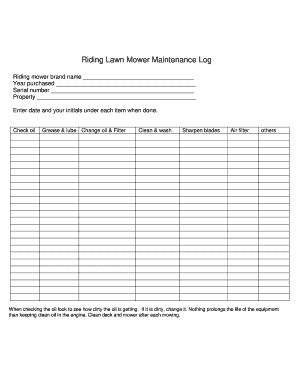
1. The Consultant shall provide all Services for the Project in accordance with the terms and conditions of this Agreement. The Consultants performance ofRead more
Copies of all contracts relating to marketing and advertising. 26. Copies of all construction agreements and performance guarantees. List of all major
Page 1 of 9. CONTRACT FOR CONSULTANT SERVICES BETWEEN. THE CITY OF WATSONVILLE AND. THIS CONTRACT, is made and entered into this , by and.Read more


