





Definition & Meaning
Understanding the concept of "form online" is essential for those who need to manage and submit documents in a digital environment. Essentially, a form online is a digital version of a paper form, designed to be filled out using a computer or mobile device. These forms are used across various sectors, including taxation, business registration, and legal documentation. They mimic the structure and fields of their paper counterparts but are optimized for online completion and submission. By completing forms online, users can streamline the process, reduce errors, and ensure faster processing.
How to Use the Form Online
To utilize a form online, start by accessing the required document through a digital platform like DocHub. Once accessed, follow these steps:
-
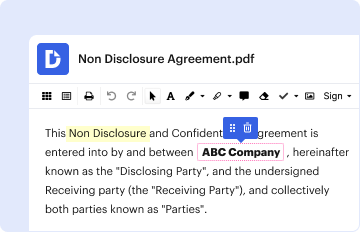
Open the Form: Use a compatible device to open the form in an editing tool. Platforms like DocHub facilitate easy viewing and editing.
-
Fill Out Required Fields: Complete each field as directed, ensuring accuracy to avoid submission errors. Use available tools for text entry, dropdown selections, and checkbox marking.
-
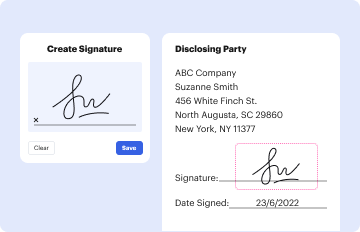
Insert Signatures if Needed: Many online forms require electronic signatures. DocHub allows the user to draw, type, or upload a signature.
-
Review: Double-check all entered information for mistakes or omissions to ensure compliance and correctness.
-
Submit: Once all information is filled in, submit the form through the online portal as per the instructions specified by the issuing authority.
How to Obtain the Form Online
Forms can be obtained online through various governmental and organizational websites. Here’s a step-by-step approach:
-
Identify the Required Form: Determine which specific form is needed for your task, such as tax filings or business registrations.
-
Visit Official Websites: Go to the official website of the issuing authority, like the IRS for tax forms or the state government site for local forms.
-
Download the Form: Most forms are available in PDF format. They can be downloaded to your device for future use.
-
Use DocHub to Access It: Once downloaded, you can upload the form to DocHub for easy editing and management.
Steps to Complete the Form Online
Completing a form online involves a series of methodical steps designed to facilitate accuracy and compliance:
-
Prepare Necessary Information: Gather all required information before starting the form, such as identification numbers, relevant dates, and financial data.
-
Access the Form: Use a reliable platform like DocHub to access and edit the form online.
-
Fill in Personal Data Accurately: Ensure personal details like names and addresses are entered correctly.
-
Attach Required Documents: Some forms require additional documents. Attach any necessary documentation as instructed.
-
Submit: Follow instructions for online submission, ensuring you comply with all guidelines and formats.
Why Should You Form Online
Filing forms online presents numerous advantages:
- Efficiency: Online forms streamline processes, reducing time spent on manual paperwork and postal delays.
- Accuracy: Digital entry can minimize errors with automated checks.
- Convenience: Forms can be accessed, filled, and submitted from anywhere, using any device with internet access.
- Environmental Impact: Reduces the need for paper, contributing to eco-friendly practices.
Who Typically Uses the Form Online
Various individuals and organizations use online forms:
- Taxpayers: Individuals needing to file taxes often use online tax forms.
- Businesses: Companies might use online forms for compliance and registration purposes.
- Students: Many educational institutions require online submission of forms.
- Legal Entities: Law firms and individuals use electronic forms for affidavits and legal documentation.


Important Terms Related to Form Online
Familiarity with essential terms enhances understanding and use of online forms:
- E-Signature: A digital version of a physical signature used in electronic forms.
- Fillable Fields: Areas on a form where users input information.
- PDF Format: A common digital format for online documents.
- Encryption: Security measures that protect online information.
Legal Use of the Form Online
Legal compliance is integral when using online forms:
- ESIGN Act Compliance: Electronic signatures are legally binding if compliant with the ESIGN Act.
- Confidentiality: Forms must maintain confidentiality as per data protection laws.
- Compliance: Ensure adherence to relevant legal requirements for specific forms, such as tax regulations or business laws.
Key Elements of the Form Online
Typical elements found in online forms include:
- Identification Sections: Areas where personal or company identifiers are entered.
- Checkboxes for Options: Used for selecting applicable responses or conditions.
- Signature Lines: Space reserved for electronic signatures confirming authenticity.
- Submission Instructions: Details on how to correctly submit the completed form online.