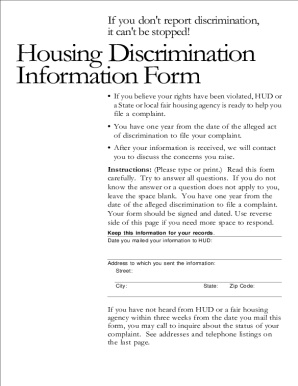
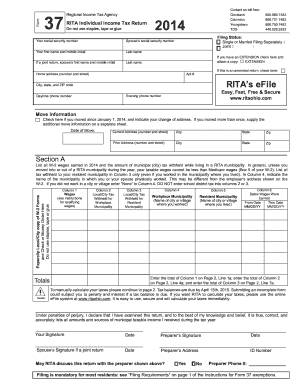
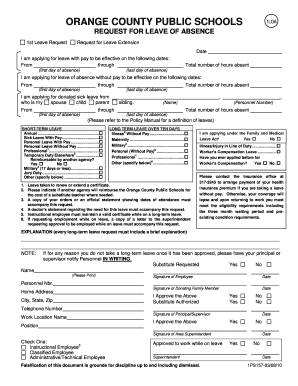
Definition and Purpose of NON-SCANNABLE FORMS Form Revision and Release Dates
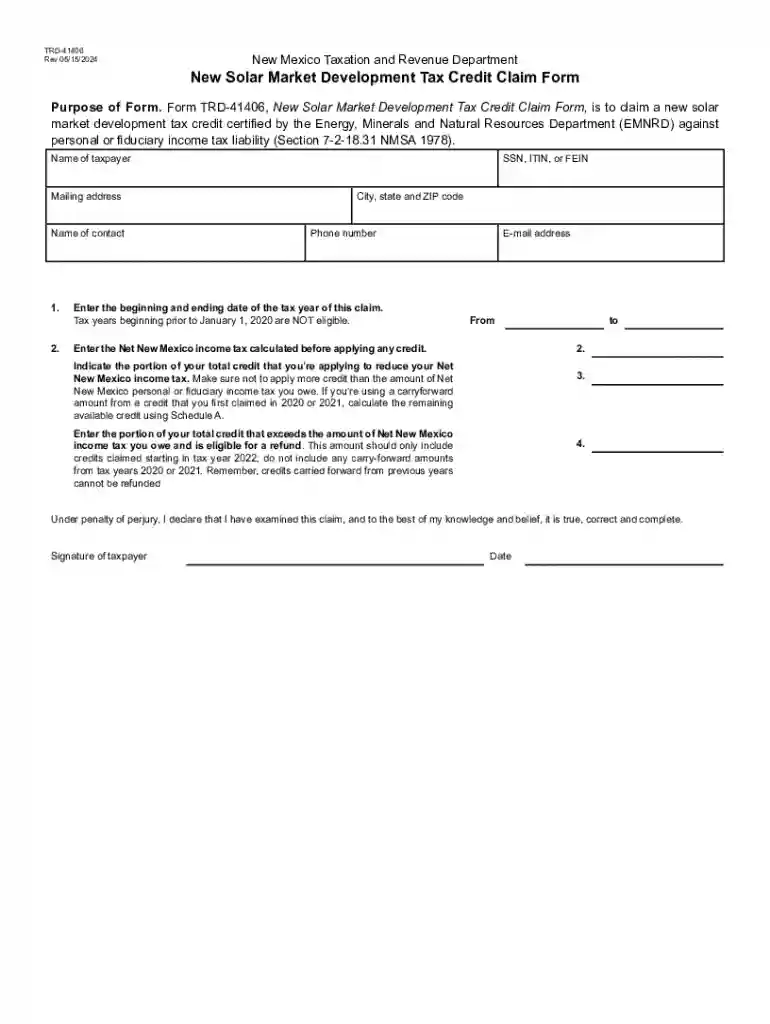
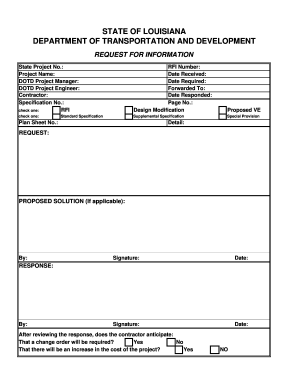
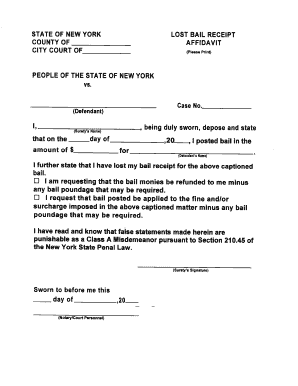
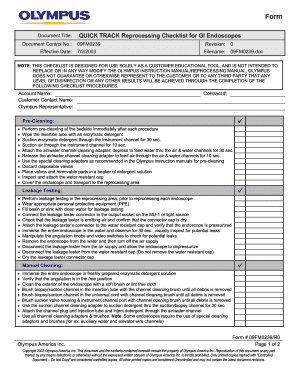
The NON-SCANNABLE FORMS Form Revision and Release Dates refer to the schedule and updates related to specific forms that aren’t readable by standard scanning technology, often used by government entities such as the IRS. These forms are crucial for maintaining updated records and ensuring that information is current for stakeholders needing precise data handling. Understanding this form ensures that organizations are compliant and working with the latest templates and regulations.
- Purpose: To ensure that all users of non-scannable forms are working with the most recent version.
- Scope: Addresses the updates and modifications made to forms, including corrections, enhancements, and new regulation compliance.
How to Use the NON-SCANNABLE FORMS Form Revision and Release Dates
Understanding how to utilize these dates is essential in maintaining compliance and ensuring effective communication with the issuing department. Here's how to use the dates efficiently:
- Identify the Form: Determine the specific non-scannable form you are using.
- Check Release Notes: Refer to the release and revision dates to ensure you have the latest edition.
- Implement Updates: Update any outdated forms in your system to align with the latest standards.
- Communicate Changes: Notify team members or relevant parties of changes to avoid any compliance issues.
How to Obtain NON-SCANNABLE FORMS Form Revision and Release Dates
To access the latest revision and release dates for non-scannable forms, follow these steps:
- Visit the Official Source: Access the issuing authority's website, such as the IRS, for official publications.
- Subscribe to Updates: Many departments offer newsletters or bulletins that include form updates.
- Contact Customer Support: Reach out directly for any specific inquiries regarding recent updates.
- Use Reliable Software: Employ document management tools that regularly update their databases with the latest forms.
Steps to Complete the NON-SCANNABLE FORMS Form Revision and Release Dates
Completing forms involving revision and release dates follows a systematic approach:
- Gather Necessary Information: Collect all relevant documentation related to the form's purpose.
- Review Form Instructions: Carefully read the instructions accompanying the form to understand any new requirements.
- Fill Out Form Fields: Ensure all required fields are filled out comprehensively and accurately.
- Double-Check Dates: Confirm that the revision or release dates correspond with current guidelines.
- Submit Form Appropriately: Use the designated method (online, mail, in-person) for submission, as specified.
Why You Should Pay Attention to NON-SCANNABLE FORMS Form Revision and Release Dates
Awareness of these dates is crucial for a variety of reasons:
- Compliance: Ensures adherence to the latest legal requirements and regulations.
- Accuracy: Prevents errors that could arise from using outdated information.
- Efficiency: Streamlines internal processes and operations by using the latest forms.
By focusing on these dates, organizations avoid legal issues and enhance operational transparency.
Key Elements of the NON-SCANNABLE FORMS Form Revision and Release Dates
Several critical components make up the form's revision and release dates:
- Version Identification: Indicates which form number is current.
- Changes Commentary: Outlines specific modifications or additions from the previous version.
- Compliance Information: Highlights legal and regulatory adjustments, often necessary for correct adherence.
- Implementation Instructions: Specific actions required to transition to the new form version effectively.
Examples of Using the NON-SCANNABLE FORMS Form Revision and Release Dates
Practical examples illustrate the application of these dates:
- Tax Preparation: Organizations preparing taxes must ensure forms reflect the latest changes, like deductions or credits.
- Grant Applications: As grants often require specific, current documentation, using updated forms is vital for eligibility.
- Educational Institutions: Ensures compliance with federal requirements by using the latest versions of financial aid forms.
Compliance and Legal Use of the NON-SCANNABLE FORMS Form Revision and Release Dates
These forms serve a critical role in maintaining compliance:
- Regulatory Adherence: Using the latest forms ensures compliance with industry-specific regulations.
- Legal Defense: Properly updated forms can serve as a defense in audits or legal examinations by demonstrating commitment to currently applicable laws.
- Institutional Integrity: Consistent use of current forms reinforces an organization’s commitment to integrity and due process.
Each of these sections cultivates a comprehensive understanding of the proper handling and significance of non-scannable forms and their associated revision and release dates.