




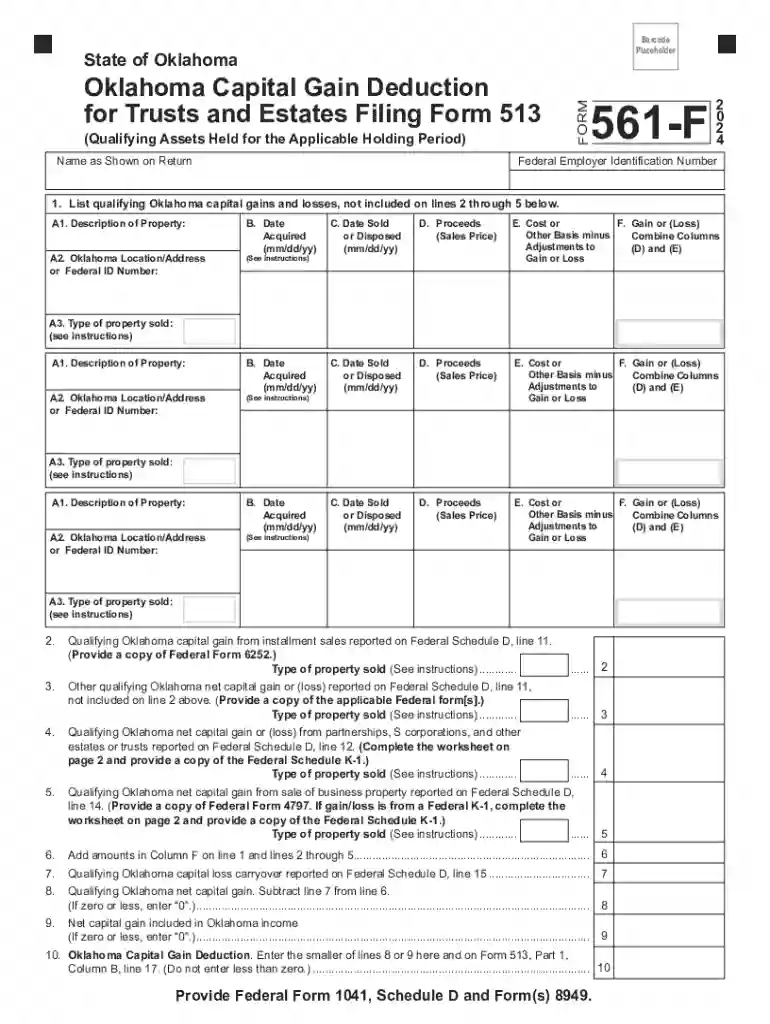
01. Edit your form online
Type text, add images, blackout confidential details, add comments, highlights and more.

Type text, add images, blackout confidential details, add comments, highlights and more.

Draw your signature, type it, upload its image, or use your mobile device as a signature pad.

Send it via email, link, or fax. You can also download it, export it or print it out.
Understanding the tax implications for estates and trusts in New Jersey is crucial for managing and complying with state-specific tax obligations. Estates and trusts are considered separate entities and thus must adhere to particular tax protocols. Taxes on estates involve levies on the transfer of wealth upon a person's death, while trusts typically pertain to managing assets for beneficiaries. In New Jersey, the focus is on how these entities are taxed for income generated within them, applicable deductions, and the necessary reporting procedures to ensure they meet state requirements.
To effectively utilize this tax document, trustees and estate managers should begin by familiarizing themselves with the types of income that are taxable under New Jersey law. It involves understanding both federal and state guidelines since they intersect in various ways. Key steps include identifying all income sources, determining applicable deductions, and applying any relevant credits. Engaging with this document helps delineate the distribution of income to beneficiaries and ensures that taxes are calculated and reported correctly.
Gather Necessary Information:
Identify Taxable Income:
Determine Deductions and Credits:
Complete the Form:
Review and File the Form:
Successfully completing the form requires a series of supporting documents. These include proofs of income like W-2s and 1099 forms, records of deductible expenses, and any documentation supporting claims for credits. Receipts and records that verify the legitimacy of deductions taken, such as receipts for administrative costs, are also crucial. Accurate documentation is key to substantiating claims and forestalling any potential issues with state tax agencies.
New Jersey has specific stipulations that impact the taxation of estates and trusts, differing from federal rules in some respects. For example, certain kinds of income or deductions might be treated differently under state law versus federal law. One must consider New Jersey's estate tax regime, which involves understanding applicable exemption limits and inheritance tax. This ensures that trusts and estates meet all specific state obligations while potentially maximizing allowable deductions and credits.
Meeting deadlines is vital to avoid penalties and interest. In New Jersey, the fiduciary or executor must ensure that returns are filed by the specified due date, typically the fifteenth day of the fourth month following the end of the tax year. Paying attention to any quarterly estimated tax payments is also essential. Extensions are available but must be requested appropriately, and it’s important to remember that an extension to file is not an extension to pay.
Failure to comply with filing requirements can result in significant penalties. The state of New Jersey imposes fines for late filing and underpayment of taxes due. Additionally, interest accrues on unpaid taxes from the due date. It's critical for executors and trustees to adhere to all applicable guidelines to avoid such penalties. Staying informed and proactive about filing obligations helps maintain compliance and ensures the estate or trust remains in good standing.
Certain elements are vital for accurately compiling this tax document. This includes categorization of income, where distinguishing between ordinary income and capital gains is essential; understanding allowable deductions that can be claimed by the estate or trust; and recognizing the importance of accurately reporting distributions to beneficiaries, as these influence the taxable income of the beneficiaries and the estate. Thorough documentation and a clear comprehension of these elements facilitate accurate tax reporting and compliance.
Consider an executor managing an estate with diverse income streams, including dividends and rental income. By using the Estates and Trusts Understanding Income Tax - NJ form, they can effectively report and manage these different classes of income while leveraging deductions for property management expenses. Similarly, a trustee might use the form to accurately distribute income from a family trust to multiple beneficiaries, ensuring each receives the correct amount and understands their tax obligations. Real-world scenarios such as these highlight the form’s utility in practical settings.
We've got more versions of the Estates and Trusts Understanding Income Tax - NJ form. Select the right Estates and Trusts Understanding Income Tax - NJ version from the list and start editing it straight away!
At DocHub, your data security is our priority. We follow HIPAA, SOC2, GDPR, and other standards, so you can work on your documents with confidence.


Fixed Income Insights Prospective investors are recommended to seek independent legal, financial and tax advice before making any investment decision.Read more
Mar 18, 2026 Income Tax is levied on gross income earned or received by New Jersey resident and nonresident individuals, estates, and trusts.


