
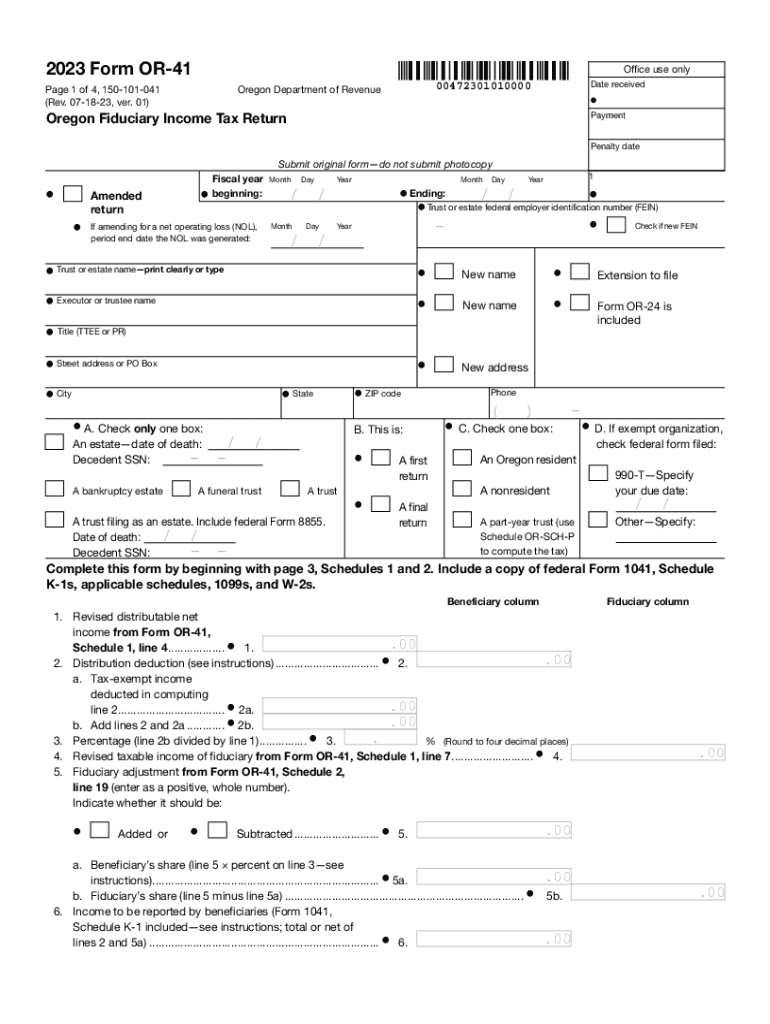







Definition & Meaning
The "Forms - North Dakota Office of State Tax Commissioner" refers to a collection of official documents issued by the North Dakota Office of State Tax Commissioner. These forms are essential for individual taxpayers, businesses, and other entities to accurately report various tax-related obligations to the state's tax authority. The forms cover a wide array of tax matters, including income tax filings, sales and use tax, and other state-specific taxes. Understanding these forms is critical to ensuring compliance with North Dakota tax laws and regulations.
How to Use the Forms - North Dakota Office of State Tax Commissioner
Using the North Dakota tax forms begins by identifying the specific form required for your tax situation. For instance, individuals will need different forms compared to businesses or nonprofit organizations. After identifying the correct form, taxpayers should carefully fill out each section, ensuring all information is accurate and reflects their financial situation. Making a mistake on these forms can lead to delays or penalties, so it's crucial to double-check all provided information.
-
Form-specific Instructions: Each form comes with detailed instructions outlining how to fill out specific sections. These instructions should be reviewed prior to and during the completion of the form to ensure accuracy.
-
Supporting Documentation: Often, additional documentation is required alongside these forms. This may include financial statements, income reports, or other relevant records. Ensure you have all necessary documents ready before submission.
Steps to Complete the Forms - North Dakota Office of State Tax Commissioner
-
Determine the Appropriate Form: Start by identifying which form suits your individual or business tax scenario. This can include income tax, sales tax, or withholding tax forms, among others.
-
Gather Required Information: Before filling out the form, collect all needed information, such as Social Security numbers, income statements, and any other relevant financial documents.
-
Follow the Instructions: Each form comes with comprehensive instructions. Ensure you understand the guidance provided for each section to avoid errors.
-
Complete the Form: Fill out all sections of the form with accurate and complete information. Use a pen for physical forms, or accurately type all information electronically.
-
Review and Verify: Double-check all completed entries for accuracy. Any mistakes could result in delays or issues with the tax office.
-
Determine Submission Method: Depending on the form, you may be able to file electronically, by mail, or in person. Choose the method that best suits your situation.
-
Submit Before Deadline: Ensure to submit your form before the deadline to avoid penalties. Timely submission is crucial for compliance.
Key Elements of the Forms - North Dakota Office of State Tax Commissioner
The forms include various key elements that are essential for compliance:
-
Personal Information: This includes names, addresses, and Social Security numbers for individual filers, or Employer Identification Numbers (EINs) for businesses.
-
Financial Data: Information detailing income, deductions, and credits applicable for the specific tax year.
-
Declaration of Accuracy: A section where filers affirm the correctness and completeness of the information provided.
-
Signature Lines: Spaces where taxpayers must sign and date the form to authenticate their submission.
Who Typically Uses the Forms - North Dakota Office of State Tax Commissioner
These forms serve a wide variety of users including:
- Individual Taxpayers: Required for filing annual income taxes.
- Businesses: Corporations, partnerships, and LLCs must file various state tax forms.
- Nonprofits: Organizations claiming tax-exempt status must report specific information.
- Employers: Responsible for withholding taxes and reporting employment-related taxes.
In each case, the specific user must utilize the form relevant to their tax obligations and ensure compliance with state tax laws.


State-Specific Rules for the Forms - North Dakota Office of State Tax Commissioner
North Dakota has particular rules concerning its tax forms, which differ from federal guidelines and those of other states:
-
Specific Deductions and Credits: Certain state-specific deductions and tax credits may be available and must be claimed using the appropriate forms.
-
State Taxes: Forms include state sales tax filings and other taxes unique to North Dakota.
-
Filing Deadlines: North Dakota has its own deadlines separate from federal requirements. Taxpayers must adhere to the state's schedule to avoid penalties.
Filing Deadlines / Important Dates
For the forms issued by the North Dakota Office of State Tax Commissioner, important deadlines to consider include:
-
Individual Income Tax: Typically due on April 15th, similarly to federal income tax deadlines.
-
Business Tax Forms: Deadlines can vary greatly depending on the business structure and type of tax. Regularly consult the tax commissioner’s office for exact dates.
-
Sales and Use Tax: Due monthly or quarterly, depending on the volume of sales.
Ensure you verify the specific due date for your particular form to maintain compliance.
Penalties for Non-Compliance
Failing to submit these forms by their due dates or providing incorrect information can result in penalties:
-
Late Filing Penalty: A fee applied for not submitting the form on time.
-
Incorrect Information Penalty: Fines may be assessed for knowingly providing inaccurate information.
-
Interest on Unpaid Taxes: Accrued interest on any taxes not paid by the deadline.
Understanding these potential penalties emphasizes the need for accuracy and timeliness when dealing with state tax forms.




