Definition & Meaning
The Tax Unit Manager - Department of Administrative Services is a specialized position within the governmental framework, focusing on managing tax-related activities and ensuring compliance with state regulations. The role involves overseeing the implementation of tax policies, managing departmental tax records, and facilitating communication between governmental bodies and taxpayers. This position is critical in ensuring that all tax-related activities align with legal standards and that any changes in tax legislation are integrated into departmental practices efficiently.
How to Use the Tax Unit Manager - Department of Administrative Services
The Tax Unit Manager coordinates with various departments to streamline tax processes. Key uses include:
- Policy Implementation: Ensuring that tax policies are correctly applied across departments to maintain consistency.
- Data Management: Overseeing the collection, storage, and analysis of tax data to ensure accuracy and compliance.
- Stakeholder Communication: Acting as a liaison between governmental entities and taxpayers, simplifying complex tax information for better public understanding.
Steps to Complete the Tax Unit Manager - Department of Administrative Services Form
Fulfilling the responsibilities associated with the Tax Unit Manager role requires comprehensive form completion. The process includes:
- Collect Necessary Information: Gather all required documents such as tax registration numbers, past compliance records, and any recent changes in tax law that may affect processing.
- Review and Understand Form Requirements: Familiarize yourself with the specific fields, ensuring complete and accurate information is provided.
- Accurate Data Entry: Enter data carefully, ensuring all entries correspond with previously gathered information.
- Submit Form: Choose a submission method, whether online, by mail, or in person, and ensure that it reaches the Department of Administrative Services within the designated timeframe.
Who Typically Uses the Tax Unit Manager - Department of Administrative Services
The form is primarily utilized by government officials and departments responsible for managing tax operations. However, it may also involve tax consultants who assist in preparing and verifying the accuracy of submissions for compliance and operational efficiency.

Important Terms Related to the Tax Unit Manager - Department of Administrative Services
Familiarize yourself with these terms to enhance understanding:
- Compliance: Adhering to government regulations and tax laws.
- Tax Policy: Government guidelines on taxation processes.
- Stakeholder: Individuals or groups with an interest in tax-related decisions.
- Data Management: Processes associated with the handling of tax-related information.
Legal Use of the Tax Unit Manager - Department of Administrative Services
Understanding the legal scope of the role is crucial. The Tax Unit Manager ensures:
- Regulatory Compliance: Adhering strictly to state and federal tax laws.
- Confidentiality: Protecting taxpayer information through secure data handling practices.
- Audit Preparedness: Maintaining records and procedures that facilitate thorough audits when necessary.
Key Elements of the Tax Unit Manager - Department of Administrative Services
Key elements of the form include:
- Tax Registration Numbers: Required for identifying the applicable tax entity.
- Compliance Documentation: Proof of adherence to current regulations.
- Relevant Dates and Deadlines: Understanding crucial submission or response times.
State-Specific Rules for the Tax Unit Manager - Department of Administrative Services
State-specific rules can significantly impact the duties of a Tax Unit Manager. These include:
- Varying Tax Policies: Differences in tax rates or qualification criteria across states.
- Compliance Standards: Unique state regulations that may require additional documentation or procedures.
- Local Audits: Understanding regional auditing requirements to ensure all practices meet state guidelines.
Examples of Using the Tax Unit Manager - Department of Administrative Services
The application of the Tax Unit Manager role can vary. For instance, a department in Connecticut might focus on:
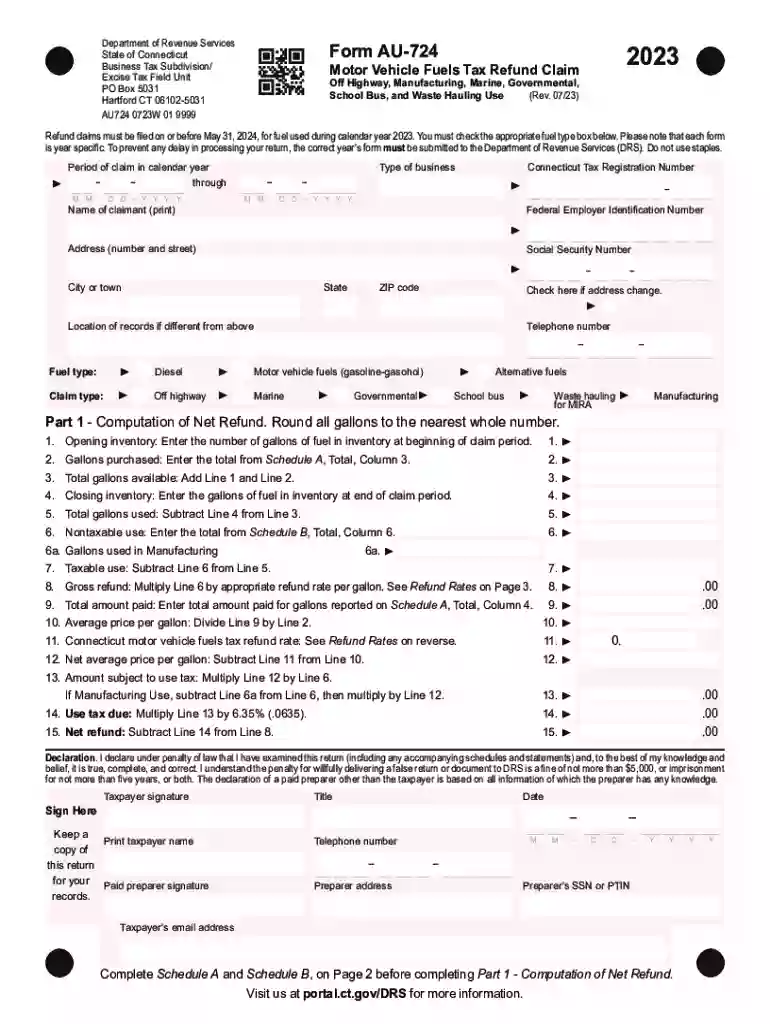
- Fuel Tax Refunds: Managing complexities involved in processing claims such as the Connecticut Department of Revenue Services' Motor Vehicle Fuels Tax Refund Claim.
- Tax Legislation Changes: Implementing updates in state tax laws into local policies, ensuring a smooth transition for all stakeholders involved.
Filing Deadlines / Important Dates
Maintaining compliance with deadlines is vital. Critical dates include:
- Annual Submission Deadlines: Dates by which annual tax forms must be completed and submitted.
- Quarterly Reporting: Regular reporting periods that require attention to detail and timely updates.
- Regulatory Changes: Implementation timelines for new tax legislation that impact filings.
Required Documents
Preparation is key, so ensure all necessary documentation is gathered:
- Tax Registration Details: Unique identifiers for tax entities.
- Compliance Records: Previous filings and documents proving adherence to regulations.
- Financial Records: Necessary financial information to support claims or assertions made within the form.
Digital vs. Paper Version
Choosing between digital and paper submissions can affect process efficiency:
- Digital Submission: Offers a streamlined approach with faster processing times and reduced risk of errors.
- Paper Version: May be required or preferred by certain departments, allowing for physical verification of data.