Definition and Meaning
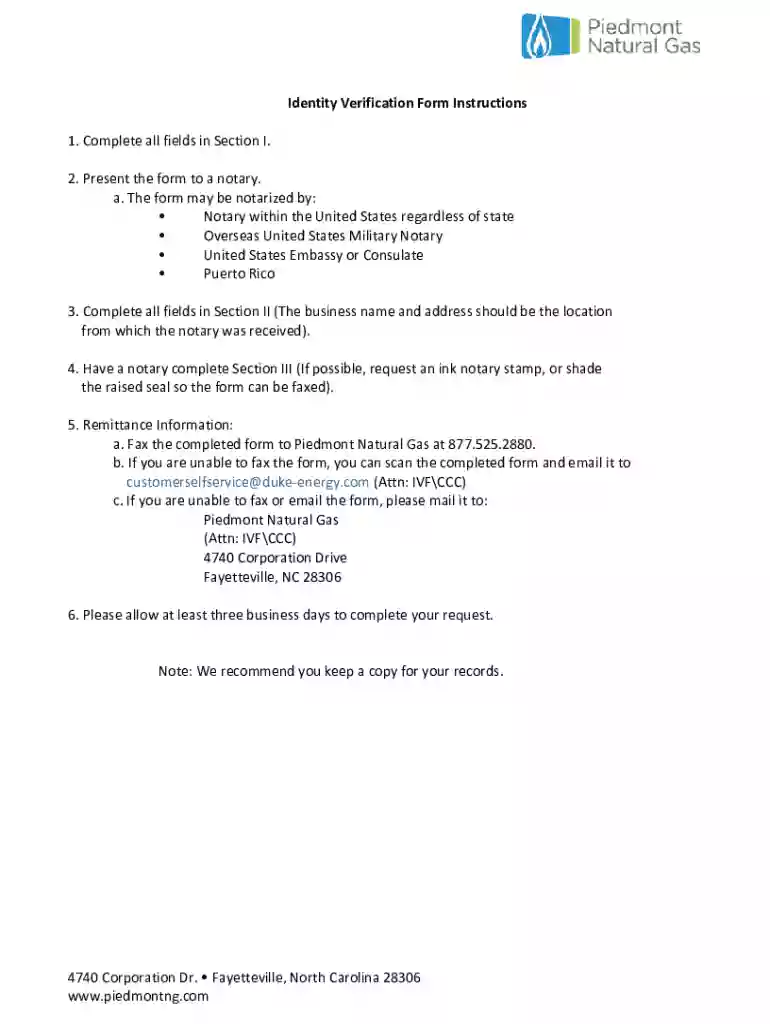
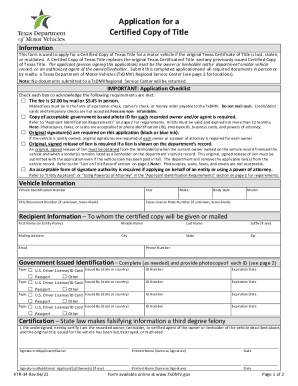
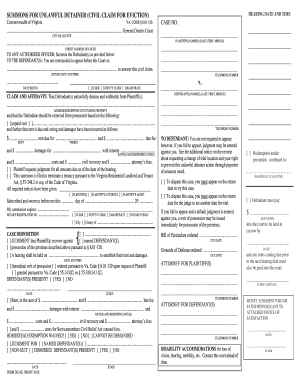
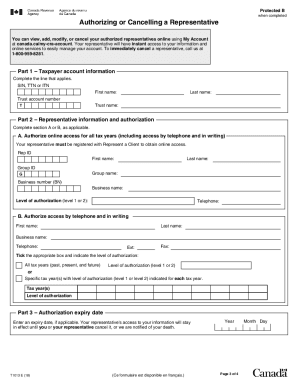
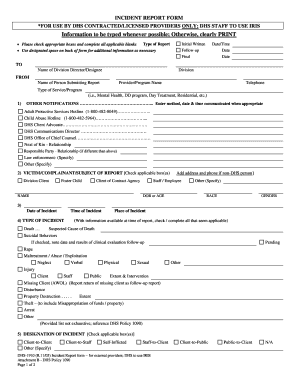
The Identity Verification Form helps to confirm an individual's identity for various purposes, such as utility account validation or financial transactions. As a fillable, printable, and blank document, this form is designed to gather personal information securely and efficiently. It plays a critical role in ensuring that only authorized individuals can access specific services or accounts, thus aiding in the prevention of fraud and identity theft.
How to Use the Identity Verification Form
Access the Form:
- The form can be accessed online, making it easy to fill out electronically.
- It can also be downloaded, printed, and filled out by hand if preferred.
Filling Out the Form:
- Begin by entering your personal details, such as your full name, address, and contact information.
- Ensure all sections are completed accurately to prevent delays in processing.
Secure Submission:
- Once filled, submit the form through secure channels like encrypted email or certified mail.
- Keep a copy for your personal records in case future verification is needed.
Steps to Complete the Identity Verification Form
Gather Necessary Information:
- Collect all required personal identification documents before starting.
Complete Personal Identification Section:
- Accurately enter full name, date of birth, and social security number (if applicable).
Attach Supporting Documents:
- Include copies of government-issued identification, such as a driver's license or passport.
Sign and Date the Form:
- Confirm the accuracy of the information with your signature and date the document.
Submit the Form to the Appropriate Entity:
- Follow the specified submission guidelines for the institution requiring verification.
Key Elements of the Identity Verification Form
- Personal Information: Captures essential details such as full name and address.
- Identification Document Details: Information from government-issued IDs is recorded for authentication.
- Signature Section: Confirms that all information provided is true and accurate.
Legal Use of the Identity Verification Form
- This form must be used in compliance with relevant privacy and data protection laws, such as the Privacy Act in the U.S.
- It should only be shared with authorized organizations to avoid unauthorized access to your personal information.
Important Terms Related to Identity Verification Form
- Notarization: Some forms may require notarization to authenticate the signature.
- Encryption: A method used to protect the form's data during online submission.
Form Submission Methods
- Online Submission: Preferred for its speed and ease, often via encrypted channels.
- Mail: For those who prefer traditional methods or lack online access.
- In-Person: Sometimes required for initial verification meetings.
Digital vs. Paper Version
Digital Version:
- Advantages include convenience, speed, and environmental friendliness.
- Allows for easy editing and submission via email or secure web portals.
Paper Version:
- Suitable for those without reliable internet access.
- May be required by certain organizations for physical record-keeping.
By understanding these aspects, individuals can accurately and efficiently complete the Identity Verification Form for their specific needs.