




01. Edit your nc estimated income tax online
Type text, add images, blackout confidential details, add comments, highlights and more.

Type text, add images, blackout confidential details, add comments, highlights and more.

Draw your signature, type it, upload its image, or use your mobile device as a signature pad.

Send it via email, link, or fax. You can also download it, export it or print it out.
The North Carolina Individual Estimated Income Tax Instructions provide detailed guidance on making estimated tax payments for state income taxes. These instructions apply to individuals who anticipate owing income tax in North Carolina. The guidelines aim to ensure that taxpayers calculate their estimated tax liabilities correctly, including the frequency of payments, applicable forms, and additional considerations such as deductions or credits.
Estimation Process: Details on calculating the estimated tax payments needed and how to apply credits or deductions.
Quarterly Payments: Instructions typically outline the need for quarterly estimated payments to align with expected annual tax liabilities.
Form NC-40: Taxpayers use Form NC-40, the estimated tax payment voucher, to submit payments. The instructions provide guidance on completing and submitting this form.
The instructions are essential for effective tax planning and compliance. Taxpayers must familiarize themselves with these guidelines to accurately estimate and remit their tax payments.
Determine Estimated Income: Start by estimating your total income for the year, including wages, dividends, and self-employment income.
Calculate Deductions and Credits: Identify applicable deductions and credits to adjust your income tax estimates. Refer to recent laws or updates affecting your tax year.
Use Form NC-40: Enter your estimated tax liability into Form NC-40. Make quarterly payments according to the state’s payment schedule.
Submit Payment: Use approved methods to remit payments (e.g., online, by mail, or in-person). Ensure each submission has accompanying documentation as outlined.
Completing the North Carolina Individual Estimated Income Tax Instructions requires close attention to detail.
Gather Documentation: Collect income documents such as W-2s, 1099s, and any relevant records related to deductions or credits.
Fill Out Initial Information: Enter personal information on Form NC-40, including taxpayer identification number and tax period.
Calculate Estimated Tax Payment: Use the provided formula in the instructions to calculate the total estimated tax owed for the year, dividing the amount by four for quarterly payments.
Enter Payment Details: Specify the amount paid on Form NC-40 and include dates for each quarterly payment.
Understanding the terminology is crucial to navigating the instructions:
Estimated Payment: Prepayments on expected tax liability to avoid interest penalties.
Filing Threshold: The income level that determines when you must pay estimated taxes.
Special Situations: Considerations for specific taxpayer categories like farmers or fishermen, who may have different requirements.
Key deadlines ensure timely submission and avoid penalties.
Failure to comply with the estimated tax requirements can result in penalties.
Taxpayers can file estimated tax payments digitally or via paper.
Different taxpayer scenarios require varied applications of the instructions.


The instructions support integration with tax software for ease of use.
Each of these blocks outlines critical aspects of managing and comprehending the North Carolina Individual Estimated Income Tax Instructions effectively. They serve as a comprehensive guide to ensure compliance and precision in the tax payment process.
We've got more versions of the nc estimated income tax form. Select the right nc estimated income tax version from the list and start editing it straight away!
At DocHub, your data security is our priority. We follow HIPAA, SOC2, GDPR, and other standards, so you can work on your documents with confidence.

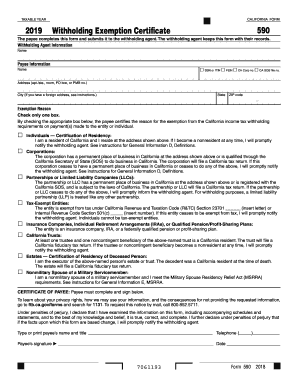
Each payment of estimated tax must be accompanied by Form NC-40, North Carolina Individual Estimated Income Tax. You can also pay your estimated tax online.Read more
A resident individual partner who meets the statutory requirements of G.S. 105-163.15 must pay estimated income tax on Form NC-40.


