





Definition and Purpose of Form Online
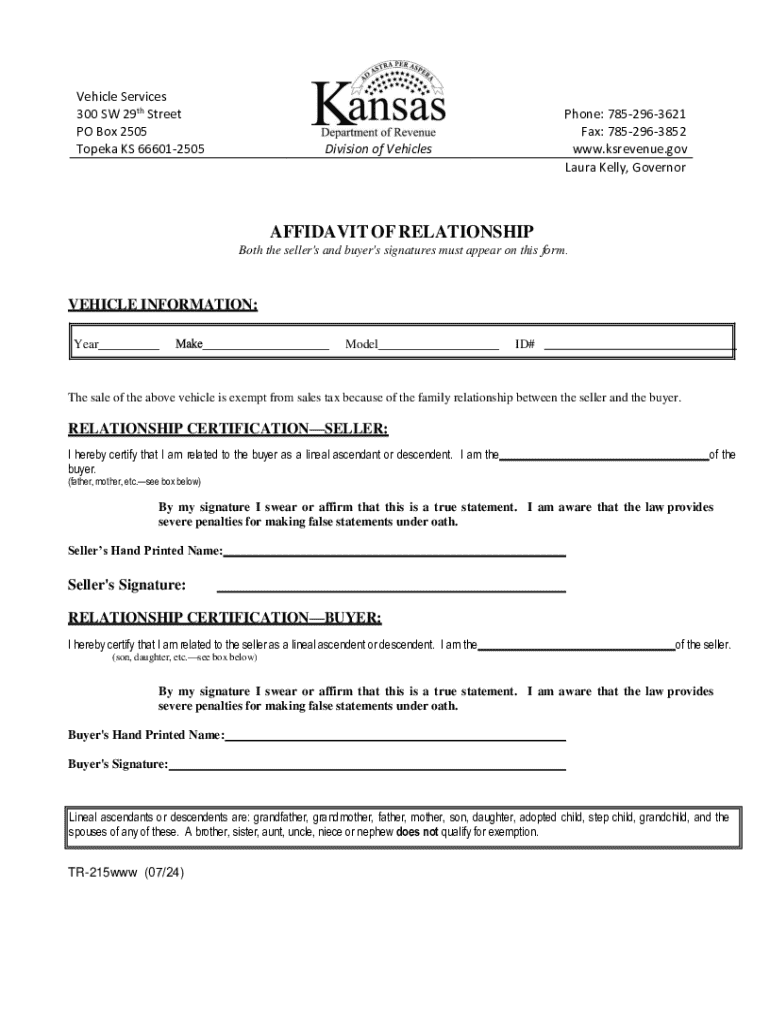
The term "form online" refers to digital documents that can be accessed, completed, and submitted via the internet. These online forms streamline traditional paperwork processes by allowing users to interact with forms directly on their devices, reducing manual effort and minimizing errors associated with paper forms. They can encompass a diverse range of needs, from tax returns and job applications to legal contracts and registration forms, making them universally applicable across different industries and scenarios.
Online forms are typically used for data collection, allowing organizations to gather information efficiently and organize it for easy retrieval and analysis. This digital approach supports various functions, from internal administrative tasks to public-facing services, such as government filings or client information forms. For example, businesses might use online forms to capture customer feedback or to onboard new employees, integrating the collected data directly into their management systems for seamless processing.
Steps to Complete the Form Online
Completing forms online involves several steps that ensure accuracy and compliance with relevant guidelines. Here's a general procedure for filling out an online form:
-
Access the Form: Navigate to the webpage where the form is hosted, often through a government or company website. Ensure that you are accessing a secure and official site to protect personal information.
-
Read Instructions Carefully: Before filling out any fields, review any accompanying instructions or guidelines. These may provide essential details about eligibility, required documentation, and submission deadlines.
-
Fill in Personal Information: Start by entering your personal data, such as name, address, and contact information. Make sure each entry is accurate to avoid processing delays.
-
Complete Specific Sections: Depending on the form type, you may need to provide additional details specific to its purpose—like income information for tax forms or employment history for job applications.
-
Review and Verify Entries: After filling in all required fields, review your entries for any mistakes or omissions. Most online forms have built-in validation checks but doing a manual review can catch errors that software might miss.
-
Submit the Form: Once confirmed, submit the form by following the on-screen instructions. Some forms will require payment, verification, or additional documentation uploads before they are officially submitted.
-
Save a Copy: After submission, save a confirmation of your submission, whether it's a reference number, a confirmation email, or a PDF version of the completed form. This is crucial for record-keeping and any future reference needs.
Software Compatibility with Online Forms
Working with online forms often requires compatibility with various software systems to facilitate data management and integration. Form platforms are typically designed to interface seamlessly with widespread software like Google Workspace, enabling users to import and export documents between systems efficiently. This interoperability is also extended to specific applications such as:
-
Accounting Software: Tools like QuickBooks can directly integrate with online forms used for financial reporting, such as tax forms or expense reports, streamlining the input of financial data into accounting systems.
-
Document Management Systems: Platforms like DocHub ensure that online forms can be edited, signed, and managed in sync with cloud-based storage services like Google Drive, eliminating redundant data entry and improving workflow efficiency.
-
Form Creation and Analysis Tools: Specialized tools enable the creation of customized forms alongside data analytics capabilities, allowing users to design, distribute, and analyze forms directly from an integrated software environment.
Legal Use of Online Forms
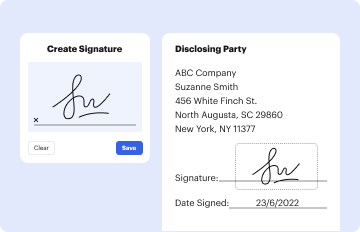
The legal recognition of online forms is rooted in their ability to capture legally binding information and signatures electronically. The Electronic Signatures in Global and National Commerce (ESIGN) Act legitimizes electronic signatures and records, ensuring that documents signed online have the same legal standing as their paper counterparts. This is particularly pertinent for forms that require consent or approval, like contracts or affidavits. For example:
-
Contractual Agreements: Business contracts completed online are legally enforceable when digital signatures are applied, provided all parties have agreed to conduct transactions electronically.
-
Tax Filings and Compliance Documents: The IRS allows for the submission of tax returns and other compliance documents online, recognizing the legitimacy of online forms as long as they adhere to outlined standards.
Legal use also encompasses the adherence to privacy laws, requiring that forms collecting sensitive data implement necessary security measures to protect user information.
Key Elements of Online Forms
While the content and structure of online forms can vary significantly based on purpose, several key elements are commonly found across different types:
-
Title and Purpose: Clearly indicates the function and scope of the form, helping users understand its intended use.
-
Fields for Data Entry: Includes a variety of form fields like text boxes, dropdown menus, and checkboxes to capture relevant information.
-
Instructional Guidance: Offers users directives on how to fill out the form correctly, including any special considerations or legal terms they should be aware of.
-
Validation Logic: Many forms include built-in validation to ensure entries conform to specified formats and that required fields are completed before submission.
-
Security Features: Secure forms provide enhanced protection for sensitive entries and are typically secured using encryption and authentication methods, such as HTTPS protocols and secure form submissions.
Understanding and integrating these elements effectively allows organizations to create efficient forms that enhance data quality and user experience.
Who Typically Uses Online Forms
Online forms cater to a diverse audience, facilitating various personal, administrative, and business processes. Typical users include:
-
Individuals Looking to Submit Personal Information: For applications such as job opportunities, schools, or financial services.
-
Business Entities Collecting Customer Data: These forms are used for email lists, feedback, or purchase orders, streamlining data collection and integration into CRM systems.
-
Government Agencies: Using online forms for tax filings, census collection, or voting registrations, simplifying public access to services.
-
Educational Institutions: Employ forms for student enrollment, financial aid applications, or research data collection, ensuring efficient and accurate data handling.
By understanding who uses these forms, developers and organizations can tailor their design and functionality to meet the users' specific needs.
State-Specific Rules for Online Forms
The use of online forms can be influenced by specific state regulations in the U.S., which may require additional fields or protocols for particular processes. For instance:
-
Tax Forms: Each state might have its own version of income tax forms that necessitate distinct data points apart from federal requirements, providing specific guidance on state deductions and credits.
-
Business Registration: States often have unique forms for registering business entities like LLCs or corporations, reflecting local legal stipulations and compliance measures.
-
Notarial Acts and Legal Documents: Some states have stringent rules about the digital notarization of agreements, requiring compliance with state-specific e-notary guidelines.
Acknowledging these differences is crucial for ensuring compliance and effectiveness of online forms within varying state legal frameworks.
Digital vs. Paper Version of the Form
The transition from paper to digital forms presents both advantages and challenges. Digital forms offer several benefits over their paper counterparts, including:
-
Efficiency: Digital forms significantly reduce the time taken to fill, submit, and process information. They automate data entry and storage, enabling faster retrieval and analysis.
-
Accuracy: Built-in validation can correct common input errors instantly, ensuring higher-quality data collection by enforcing field formats and mandatory entries.
-
Cost-effectiveness: Transitioning to digital forms can lower printing, mailing, and storage expenses. While implementing them might incur initial costs, organizations typically see long-term savings.
However, some scenarios may still require paper forms, particularly in:
-
Areas with Limited Digital Access: Where digital forms might be inaccessible to individuals lacking internet connectivity, paper forms remain a necessary alternative.
-
Compliance and Archival Needs: Certain legal or regulatory processes may still demand physical records, necessitating a paper format alongside digital submissions.
By considering these factors, organizations can effectively balance the benefits of digital implementations with the situations where paper forms still present an advantage or necessity.