





Definition and Meaning of "Form Online"
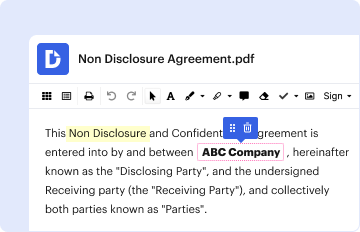
The term "form online" refers to electronic versions of traditional paper forms that can be filled out, submitted, and managed digitally. These forms are designed to streamline processes for personal, business, and legal transactions. By using "form online" systems, users can easily access, complete, and submit forms from any device with an internet connection, eliminating the need for physical paperwork and in-person submissions.
Features of Online Forms
- Accessibility: Available 24/7 from any location with internet access.
- Efficiency: Quick and easy to fill out with automated data entry features.
- Security: Strong encryption protocols protect sensitive information.
- Integration: Compatible with various digital platforms allowing seamless data import/export.
Common Uses
Online forms are utilized for a myriad of purposes including tax filings, permit applications, and registration forms. They are commonly used by individuals, businesses, and governmental organizations to collect and process data efficiently.
How to Use the Form Online
Using a form online involves a few straightforward steps that leverage digital tools to simplify data collection and submission. Most platforms offering online forms are user-friendly and guide users through the necessary process to complete the transaction.
Step-by-Step Process
- Access: Visit the relevant platform or website hosting the desired form.
- Identification: Use credentials or verification methods (like an email or phone number) to access the form.
- Completion: Fill out the form fields with the required data; many forms offer autofill options for repetitive information.
- Review: Double-check the entered information for accuracy before submission.
- Submission: Click to submit the form; some systems provide a confirmation notification or email.
Tips for Efficient Use
- Use Autofill: Save time by enabling browser autofill features.
- Check Format Requirements: Ensure you follow specific format instructions for fields like dates and numbers.
- Validate Data: Use built-in validation tools if available to minimize errors.
Steps to Complete the Form Online
Completing an online form typically follows a structured process that minimizes errors and ensures all necessary information is captured.
Key Steps
- Initial Setup: Before beginning, gather all necessary documents or information that may be needed.
- Navigation: Familiarize yourself with the form’s layout and sections to better understand where each piece of information belongs.
- Fill Requirements: Start with the required fields, which are often marked with an asterisk (*) to indicate importance.
- Use Help Resources: Many platforms provide help icons or FAQs to assist with understanding complex sections.
Example Scenario
For a tax form submission:
- Gather Financial Documents: Collect income statements, previous tax returns, and deduction proofs.
- Navigate Tax Categories: Use the form's guide to fill in areas like income, credits, and deductions accurately.
- Legal Compliance: Ensure you comply with IRS requirements by cross-referencing with official guidelines.
Important Terms Related to Form Online
Understanding the terminology associated with online forms is crucial for accurate completion and submission. Each term typically represents a specific aspect of the online form process.
Key Terms
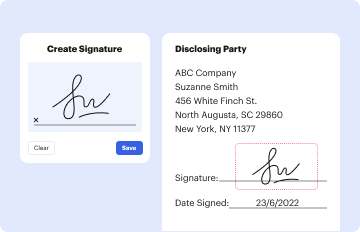
- Electronic Signature: A digital form of a handwritten signature used to sign an online document legally.
- Encryption: Refers to the method of encoding data to protect it from unauthorized access.
- Validation: The process of checking that the data entered in the form meets all necessary criteria.
Clarification of Terms
- Encryption and Security: Measures like SSL encryption ensure that all data transmitted through online forms is protected from breaches.
- Electronic Signature Laws: Govern the use of digital signatures, ensuring they are legally binding as traditional ink signatures.
Legal Use of the Form Online
Legal considerations are essential when using online forms, especially when handling sensitive or official documents. Online forms must comply with specific regulations to ensure their legal standing.
Compliance Requirements
- ESIGN Act: In the U.S., the Electronic Signatures in Global and National Commerce Act ensures that electronic signatures are legally recognized.
- GDPR Compliance: For forms dealing with European users, adherence to General Data Protection Regulation guidelines is mandatory for data protection.
Best Practices
- Understand Local Laws: Familiarize yourself with regional laws concerning data privacy and electronic submissions.
- Secure Authentication: Use platforms offering strong authentication methods like OAuth 2.0 for secure access and document handling.
Key Elements of the Form Online
Each online form contains specific elements that support its functionality and effectiveness. Recognizing and efficiently using these elements can enhance the user's experience.
Core Components
- Navigation Bar: Guides users through different sections of the form.
- Input Fields: Include text boxes and dropdowns for data entry.
- Help Icons: Provide detailed instructions or tips for each section.
Utilizing Key Elements
- Efficient Navigation: Quickly jump between sections using the navigation bar.
- Accurate Data Entry: Carefully input information, utilizing dropdown lists for standard responses like states or days of the week.
- Leverage Help Tools: Click help icons for assistance with complex fields such as calculation-based entries.
Software Compatibility for Form Online
Software compatibility is a significant factor when selecting a platform to create or fill out forms online. Compatibility ensures that the form integrates well with other software applications used for data management and processing.
Commonly Compatible Software
- Google Workspace: Allows for easy import/export of forms to and from Google Drive.
- Accounting Software: Platforms like QuickBooks or TurboTax can import form data directly, simplifying financial management and reporting.
Integration Benefits
- Streamlined Workflow: Work seamlessly across different platforms without requiring data re-entry.
- Time Savings: Save time with automatic data integration, reducing manual entry errors and effort.
Examples of Using the Form Online
Understanding the varied applications of online forms helps in appreciating their utility and flexibility in different contexts. Examples illustrate how online forms can be adapted for various needs.
Practical Examples
- Job Applications: Prospective employees fill out job applications online, attaching resumes and cover letters as required.
- Permit Applications: Municipalities offer residents the ability to apply for building permits online, streamlining the approval process.
- Customer Surveys: Companies collect feedback and data from customers using online forms, often linked directly from emails or websites.
Case Study: Educational Setting
In higher education, universities use online forms for admissions, course registration, and student feedback surveys. This electronic approach enhances efficiency by allowing quick dissemination and collection of pertinent information while providing a clear record of transactions.