Definition and Meaning of "Untitled"
The term "Untitled" typically refers to a placeholder or default name given to a document that has not yet been assigned a specific title. In various contexts, "Untitled" can also represent a form or document under development, waiting for further details to be filled in. Understanding the implications of leaving a document without a descriptive title is crucial, as it might affect the organizational workflow and accessibility.
Importance of Assigning Titles
- Clarity: Titles provide concise summaries of a document's content, making it easier for users to identify the purpose or subject matter.
- Organization: Proper titling helps in categorizing and indexing documents for quicker retrieval.
- Professionalism: Assigning a thoughtful title reflects attention to detail and professionalism.
Common Usage
Professionals often use "Untitled" as an initial name during the early stages of document creation. It's essential to update this placeholder with a meaningful title to avoid confusion later on.
How to Use the "Untitled" Document Template
Using an "Untitled" template involves several straightforward steps, allowing users to customize the document to fit their needs. Here's a practical guide on making the most of this format.
Steps for Customization
- Start by Opening the Template: Load the "Untitled" document in your preferred word processing software.
- Rename the Document: Replace "Untitled" with a relevant title that reflects the content specifics.
- Input Content: Add your text, images, or data to the document, ensuring each section is appropriately filled out.
- Format as Necessary: Use formatting tools to adjust font, style, and layout to enhance readability.
- Save and Share: Save the document frequently to prevent data loss, and share it with stakeholders as needed.
Practical Applications
- Drafting Reports: Initiate reports with "Untitled" as a temporary title during data gathering.
- Creating Presentations: Use it as a starting point for seminar or conference presentations.
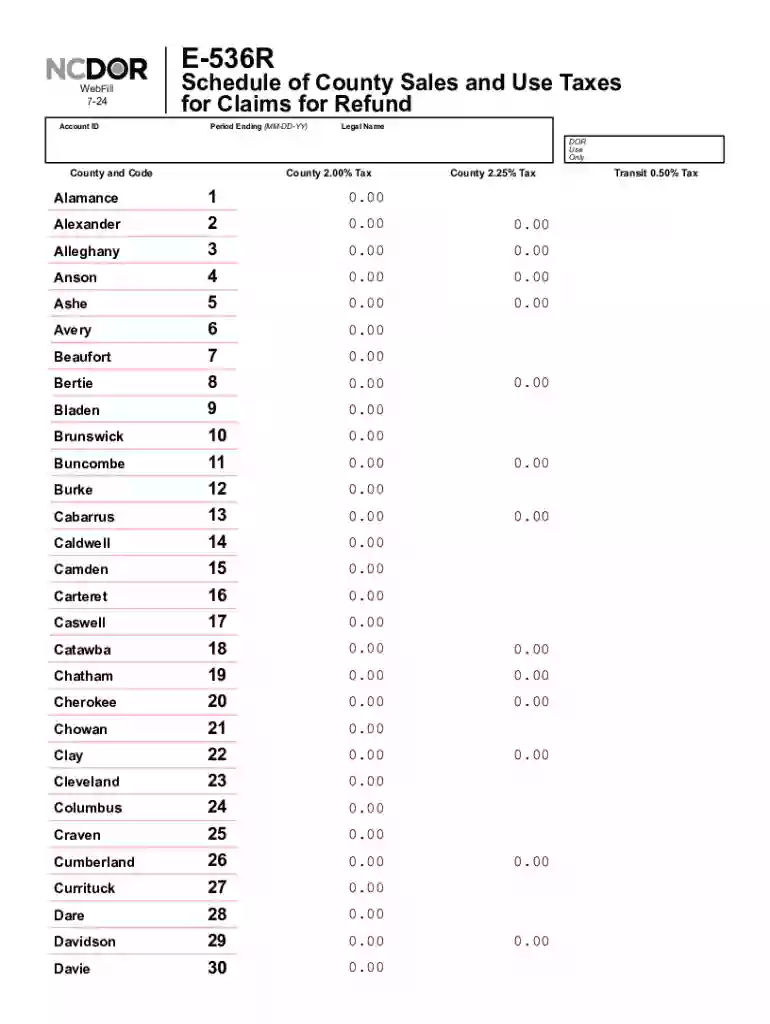
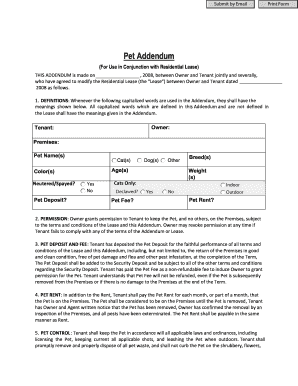
- Generating Forms: Initial form templates can be created in "Untitled" before finalizing field names and data requirements.
Steps to Complete the "Untitled" Form
Completing an "Untitled" form involves a structured approach to ensure that all necessary information is accurately captured.
Detailed Procedure
- Review the Form Fields: Understand what information is required in each section.
- Fill in Personal or Business Details: Enter your identification or business information as requested.
- Provide Supporting Data: Attach any required documentation that corroborates your entries.
- Check for Accuracy: Verify all entries for accuracy to minimize errors.
- Submit the Form: Once completed, choose the appropriate submission method—online or physical mailing.
Common Considerations
- Field Requirements: Some fields may be mandatory; ensure these are completed.
- Attachments: Consider including additional documents if necessary for context or verification.
Key Elements of the "Untitled" Form
Understanding the key components of an "Untitled" form is essential for effective completion and submission.
Core Elements
- Identifier Fields: Typically include spaces for names, dates, and document ID numbers.
- Instructional Sections: Provide guidance on how to proceed with filling out the form.
- Signature Field: Reserves space for applicants to electronically or physically sign the document.
Examples and Scenarios
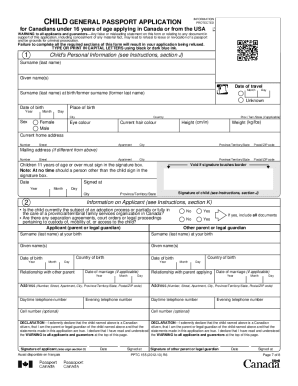
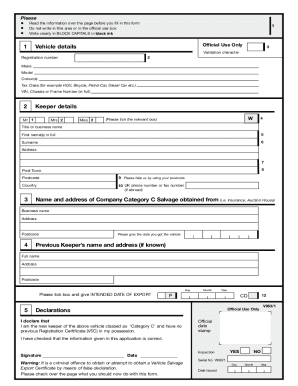
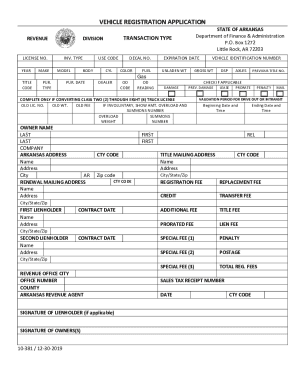
- Government Applications: Often have designated areas for legal or identification numbers.
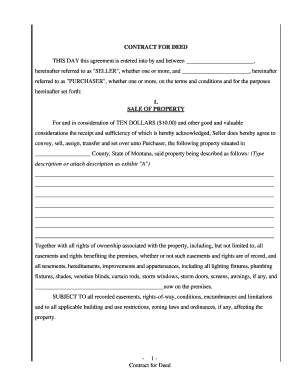
- Business Contracts: May start as "Untitled" until the contract terms are finalized and agreed upon by all parties.
Legal Use of the "Untitled" Document
There's a fundamental legal aspect to ensuring that "Untitled" documents are properly formatted, titled, and used.
Compliance and Regulations
- Document Titling: Acts as part of official compliance, ensuring legal documents are easily identifiable.
- Authenticity Verification: Titles play a role in verifying the authenticity of a document.
- Record Keeping: Properly titled documents facilitate more effective record-keeping practices, crucial for audits or legal reviews.
Real-World Application
Law firms and corporate entities regularly convert "Untitled" drafts into legally binding documents upon finalization and agreement by all involved parties.
State-Specific Rules for "Untitled" Forms
In the U.S., various states might have specific rules regarding the use of "Untitled" documents, especially in formal or legal contexts.
Considerations for State Regulations
- Regulatory Requirements: States might impose specific requirements for document titling, especially in public records.
- Filing Standards: Various states may have unique filing and formatting standards to adhere to when submitting forms.
Examples of Variations
- California: May require more explicit titling due to robust privacy laws.
- Texas: Could have unique submission standards for business documents requiring proper titles to ensure processing.
Who Typically Uses "Untitled" Forms
Different sectors and professionals employ "Untitled" forms as a part of their preliminary documentation.
Key Users
- Administrative Staff: Often use "Untitled" templates for quick drafting.
- Legal Experts: Initiate drafting legal agreements or briefs with placeholder titles.
- Project Managers: Use "Untitled" documents for drafting project proposals or summaries.
Industry Scenarios
- Education: Faculty members may start an academic paper draft with "Untitled."
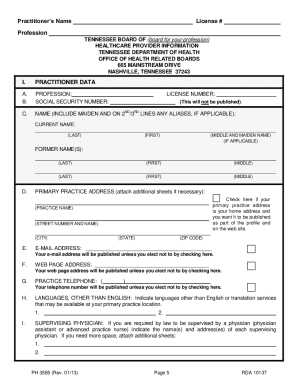
- Healthcare: Administrators may draft patient information forms that start as "Untitled."
Examples of Using the "Untitled" Document
Exploring various examples where "Untitled" documents are used can highlight their versatility.
Example Scenarios
- Human Resource Applications: Initial drafts of job applications or employment contracts often start as "Untitled."
- Event Planning Documents: Worksheets and schedules for event coordination may begin without a fixed title.
Case Study
A corporate firm often drafts internal memos beginning as "Untitled," transitioning to more descriptive titles upon managerial review to ensure alignment across departments. This practice assists in maintaining a seamless document flow.