
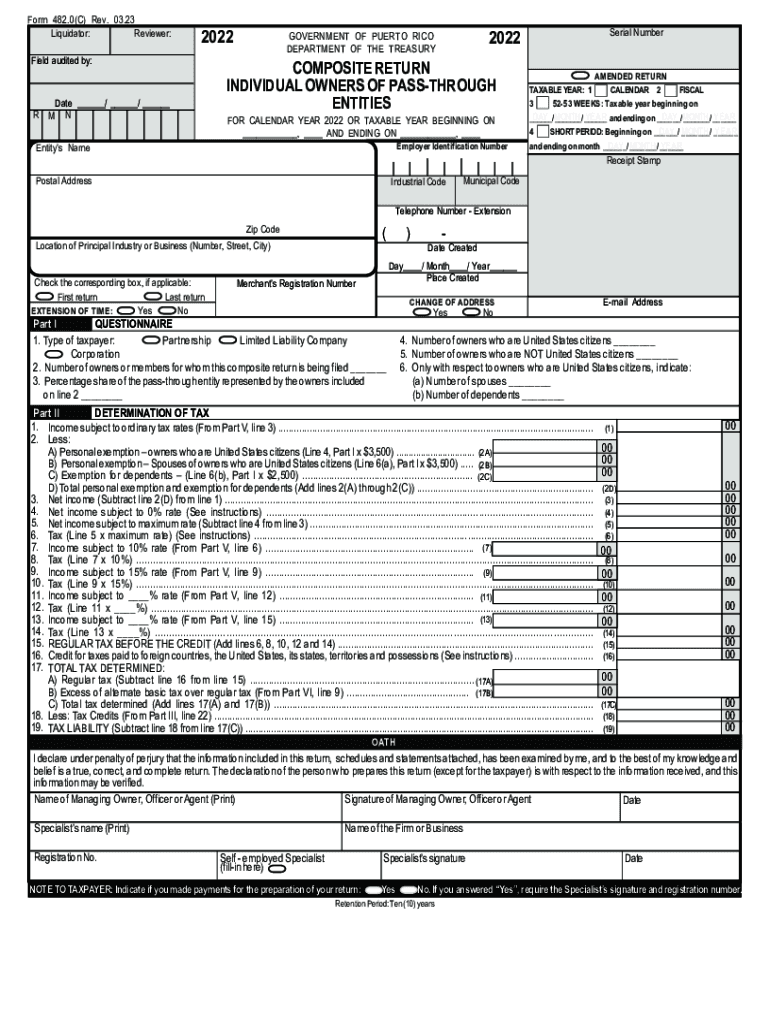







Definition & Meaning
The "Puerto Rico: Tax-related hurricane relief" form is specifically designed to assist taxpayers in Puerto Rico who have been affected by hurricanes. It relates to tax benefits and reliefs authorized to ease the financial burden for entities and individuals affected by these natural disasters. The form provides opportunities to claim deductions, defer tax payments, or benefit from credits tied to hurricane recoveries. It represents a segment of disaster relief efforts aimed at reducing the immediate tax liabilities on those significantly impacted by severe weather conditions.
Steps to Complete the Puerto Rico: Tax-related Hurricane Relief
-
Gather Necessary Information: Start by collecting essential documents such as tax identification numbers, detailed income statements, and records of hurricane-related damages or expenses.
-
Complete Identity Sections: Fill out taxpayer details accurately, including name, social security number, and address. Any discrepancies can lead to delays in processing.
-
Detail Hurricane Impact: Clearly document the hurricane impact on your property or business. Include specific damage reports and costs incurred due to the disaster.
-
Calculate Tax Deductions: Utilize the form to calculate eligible deductions linked to hurricane relief. Ensure accurate calculation to maximize potential refunds.
-
Review Personal Exemptions and Credits: If applicable, apply any personal exemptions and tax credits directly linked to hurricane recovery efforts.
-
Submit the Form: Ensure the form is complete and accurate, then submit via the prescribed method, either electronically or by mail.
Important Terms Related to Puerto Rico: Tax-related Hurricane Relief
- Disaster Recovery Credits: Tax credits provided as incentives for repairing and rebuilding after a hurricane.
- Deferral: Temporary postponement of tax payment due to exceptional circumstances.
- Tax Deduction: An expense subtracted from gross income to reduce taxable income.
- Pass-through Entities: Business structures where the entity's income is treated as the owner's income for tax purposes.
How to Obtain the Puerto Rico: Tax-related Hurricane Relief Form
To access the "Puerto Rico: Tax-related hurricane relief" form, taxpayers can visit the Government of Puerto Rico's Department of the Treasury website. Alternatively, contact local tax assistance services for physical copies or downloads. Ensure to keep updated with any changes, as forms may be revised to reflect new tax policies or relief measures.
Eligibility Criteria
Eligibility for the "Puerto Rico: Tax-related hurricane relief" varies based on several factors:
- Residency: Primarily for residents and business entities located in Puerto Rico.
- Impact Proof: Demonstrable proof of hurricane-related impact or damages.
- Filing Status: Individual owners of pass-through entities or businesses affected by hurricanes.
Careful review of the eligibility criteria ensures a smoother claim process and maximizes relief benefits.


IRS Guidelines
The IRS provides specific guidelines for taxpayers utilizing hurricane-related relief forms. These guidelines outline eligibility, filing procedures, and documentation requirements. It's essential for filers to adhere strictly to these directives to prevent disqualifications or penalties. Consulting with a tax professional is recommended to comprehend these guidelines fully.
Filing Deadlines / Important Dates
Timeliness is crucial when dealing with tax relief applications. The deadlines for the "Puerto Rico: Tax-related hurricane relief" form are typically established by the local treasury but can align with federal disaster declaration periods. Always confirm these deadlines to ensure submissions are timely and to avoid late penalties.
Required Documents
Applicable documentation for the form includes:
- Damage Assessment Reports: Ascertaining the extent of hurricane impact.
- Receipts and Invoices: For repairs, replacements, or necessary expenses post-hurricane.
- Income Proof: Recent pay stubs or business income statements to verify claims.
Ensuring the availability and accuracy of these documents facilitates smoother form completion and reduces the likelihood of processing delays.
Penalties for Non-Compliance
Non-compliance with the form's requirements can result in penalties or delayed relief. Common reasons for penalties include:
- Incorrect or Misleading Information: Results in fines or additional audits.
- Missed Deadlines: Leads to forfeiture of relief benefits.
- Failure to Provide Adequate Documentation: Delays processing and may trigger further IRS inquiry.
Being vigilant about compliance and ensuring accuracy at every stage mitigates the risk of penalties.




