




01. Edit your form online
Type text, add images, blackout confidential details, add comments, highlights and more.

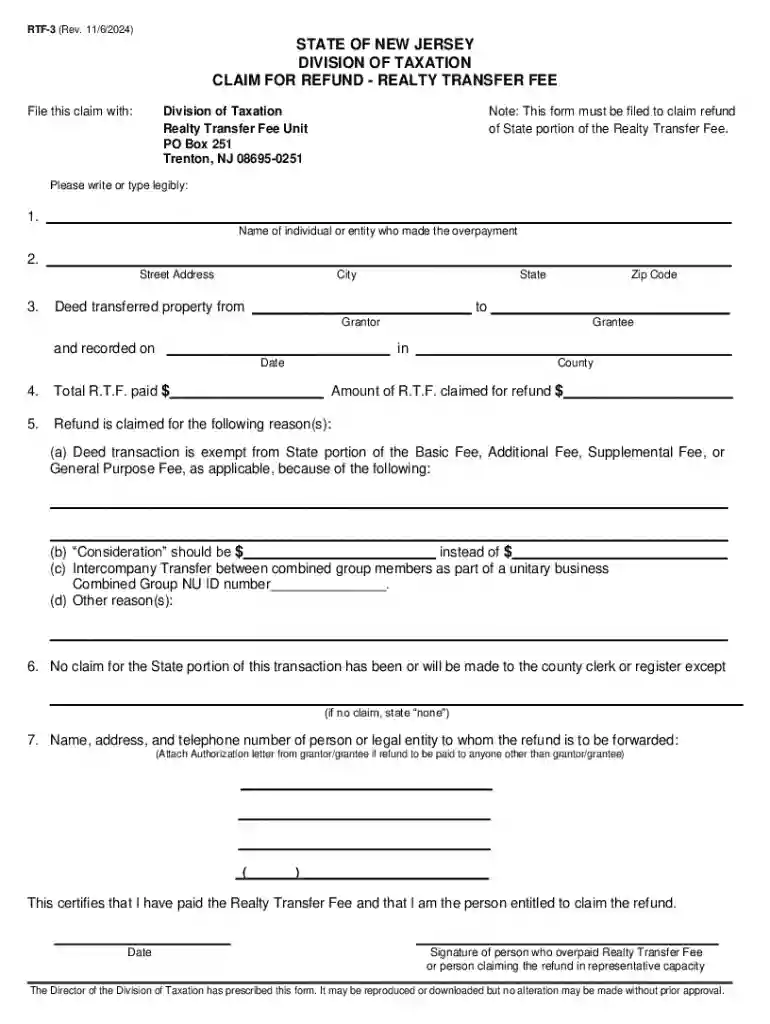
Type text, add images, blackout confidential details, add comments, highlights and more.

Draw your signature, type it, upload its image, or use your mobile device as a signature pad.

Send it via email, link, or fax. You can also download it, export it or print it out.
The RTF-3, officially titled the "State of NJ Division of Taxation Claim for Refund - NJ," serves as a claim form for refunding the Realty Transfer Fee in New Jersey. This fee is associated with the transfer of real property within the state. The form allows grantors and grantees—typically the seller and buyer in a real estate transaction—to request a refund if they have overpaid this fee or are eligible for a refund under specific circumstances outlined by the New Jersey Division of Taxation.
To properly utilize the RTF-3 form, accuracy is crucial. Users are required to fill in detailed information such as personal identification, transaction details, and the amount sought for refund. Before submission, ensure all relevant documentation, including affidavits or proof of the transaction, is attached. The form serves both as a request and documentation of your claim, helping the Division of Taxation process your refund efficiently.
The RTF-3 form can be obtained directly from the New Jersey Division of Taxation's official website. The form is downloadable as a PDF, ensuring accessibility and ease of print. Alternatively, if preferred, one can request a physical copy via mail by contacting the taxation division.
Filling out the RTF-3 form requires a step-by-step approach to ensure accuracy and completeness.
Eligibility for requesting a refund via the RTF-3 revolves around specific conditions. Claims are usually valid when there has been an overpayment due to clerical errors or when a transfer qualifies for exemption. The eligibility criteria also consider the roles of grantors and grantees, who must adhere to the specific filing windows mandatory under New Jersey law.


Timely submission of the RTF-3 is critical. The state of New Jersey enforces strict deadlines:
Adhering to these timelines is essential to ensure consideration of your refund request. Late submissions risk complete forfeiture of eligibility.
To complete an RTF-3 submission, you must include a set of required documents, ensuring all facets of the transaction and claim are covered:
The RTF-3 form can be submitted through multiple channels, offering flexibility based on personal preference and convenience.
The RTF-3 form is a legally recognized document under New Jersey law, crucial for initiating the realty transfer fee refund process. While it primarily serves a financial reimbursement role, it also acts as a legal acknowledgment of the claimant's intent to rectify potential payment discrepancies during real estate transactions. Compliance with form requirements ensures that all claims adhere to state laws, providing a clear record for both the claimant and the New Jersey Division of Taxation.
We've got more versions of the RTF-3 State of NJ Division of Taxation Claim for Refund - NJ form. Select the right RTF-3 State of NJ Division of Taxation Claim for Refund - NJ version from the list and start editing it straight away!
At DocHub, your data security is our priority. We follow HIPAA, SOC2, GDPR, and other standards, so you can work on your documents with confidence.
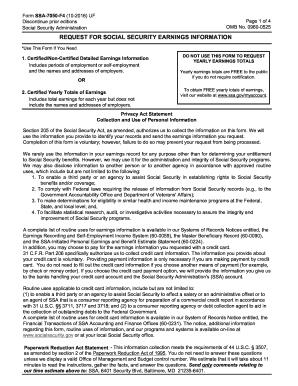

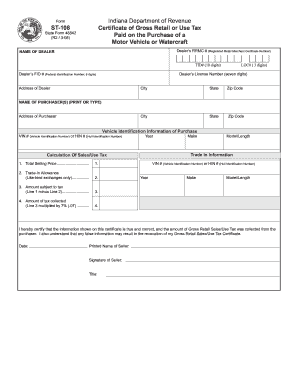
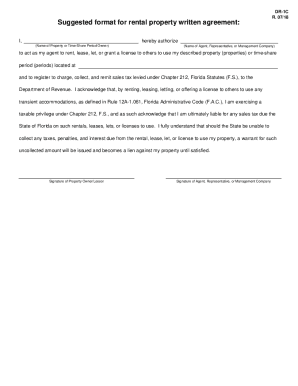


Sep 12, 2023 The RTF applies to every conveyance of title to real property in New Jersey, unless the deed or transfer meets an exemption. An. A davit ofRead more
May 21, 2026 The RTF is calculated based on the amount of consideration recited in the deed, or in certain instances, the assessed valuation of the propertyRead more


