




01. Edit your form online
Type text, add images, blackout confidential details, add comments, highlights and more.

Type text, add images, blackout confidential details, add comments, highlights and more.

Draw your signature, type it, upload its image, or use your mobile device as a signature pad.

Send it via email, link, or fax. You can also download it, export it or print it out.
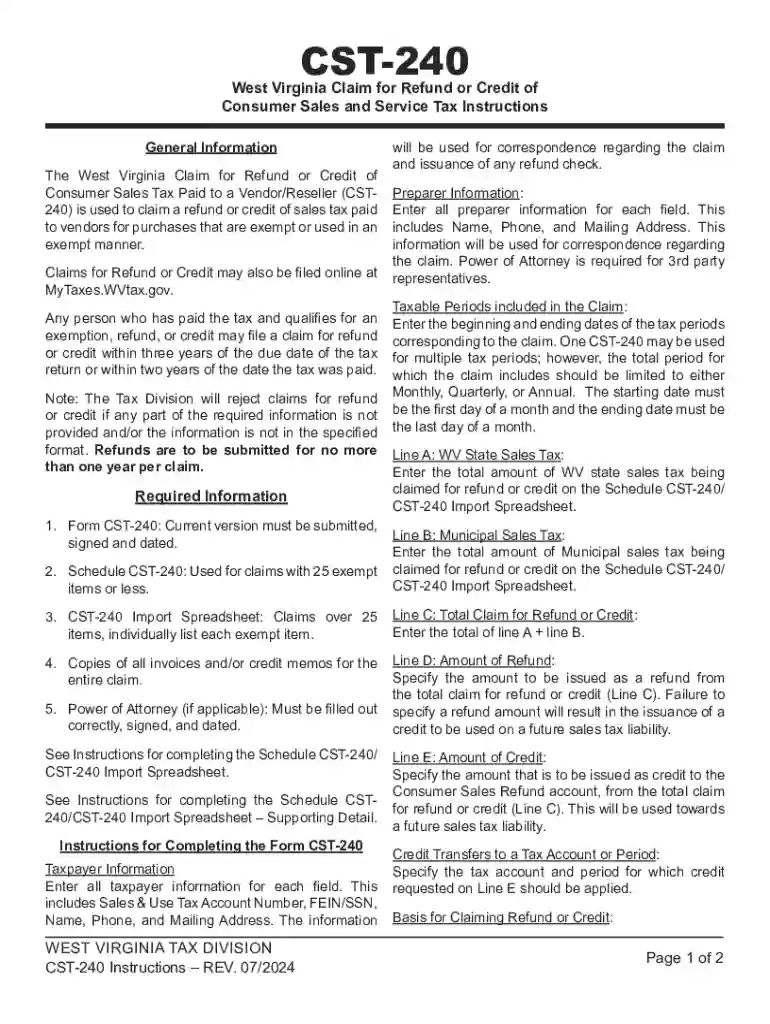
Form CST-240 is designed for individuals and businesses in West Virginia who seek a refund or credit on the Consumer Sales and Service Tax. This form is essential for taxpayers who believe they have overpaid their taxes or are entitled to a refund for specific transactions. Understanding the intricacies of the form ensures that taxpayers can reclaim what they are rightfully owed, adhering to the state guidelines.
For instance, a retailer that initially reported excess sales due to a clerical error or a service provider who overpaid taxes due to incorrect tax rate computations would rely on Form CST-240 to rectify these issues. By accurately completing this form, they can ensure financial records are balanced and compliant with state tax regulations.
The instructions for Form CST-240 guide taxpayers through each section of the form, detailing which parts to fill out based on their specific circumstances. This document explains every line item, ensuring taxpayers include all necessary details to process their refund or credit request promptly.
Eligibility plays a crucial role in determining whether you can file Form CST-240. Only individuals or businesses who have overpaid the sales and service tax or engaged in exempt transactions are qualified to submit this form.


Documentation is vital in the verification process for a tax refund or credit claim. Accurate and complete records facilitate the approval process and help establish the legitimacy of the claim.
Being aware of state-specific rules and critical deadlines is essential to ensure that submissions are timely and comply with the prescribed tax policies of West Virginia.
Completing Form CST-240 requires a precise approach, as the accuracy of the information provided is crucial in processing the claim effectively.
The form is mostly utilized by businesses, but other entities might also find the need to file due to incorrect tax assessments or transactions.

Choosing the right method for submitting Form CST-240 can influence the processing speed and convenience for the filer.
Failing to comply with the procedural requirements or providing inaccurate information may lead to penalties, additional scrutiny, or delays.
Adhering strictly to the guidelines helps ensure honest communication with tax authorities and prevents monetary losses.
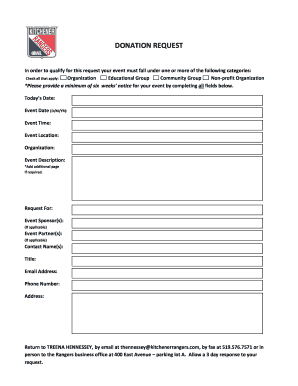
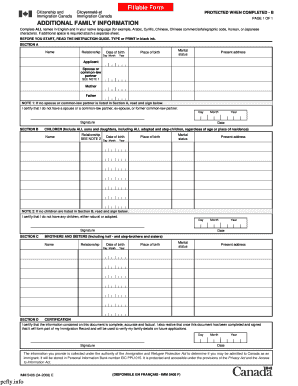
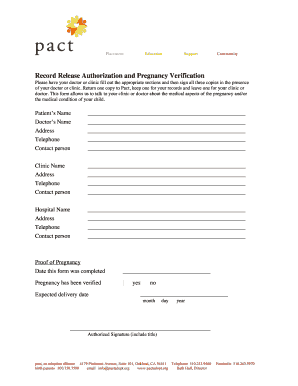
We've got more versions of the Instructions for Form CST-240 Claim for Refund or Credit of form. Select the right Instructions for Form CST-240 Claim for Refund or Credit of version from the list and start editing it straight away!
At DocHub, your data security is our priority. We follow HIPAA, SOC2, GDPR, and other standards, so you can work on your documents with confidence.

by EI CREDIT Cited by 18 This form will show the amount of this refund, credit, or offset. You do not have to include this amount in your income for 1992
When filing a Schedule U it must be submitted through MyTaxes beginning 7/1/2023. Schedule U Instructions CST-240 Claim for Refund or Credit of Sales Tax PaidRead more


