




01. Edit your form online
Type text, add images, blackout confidential details, add comments, highlights and more.

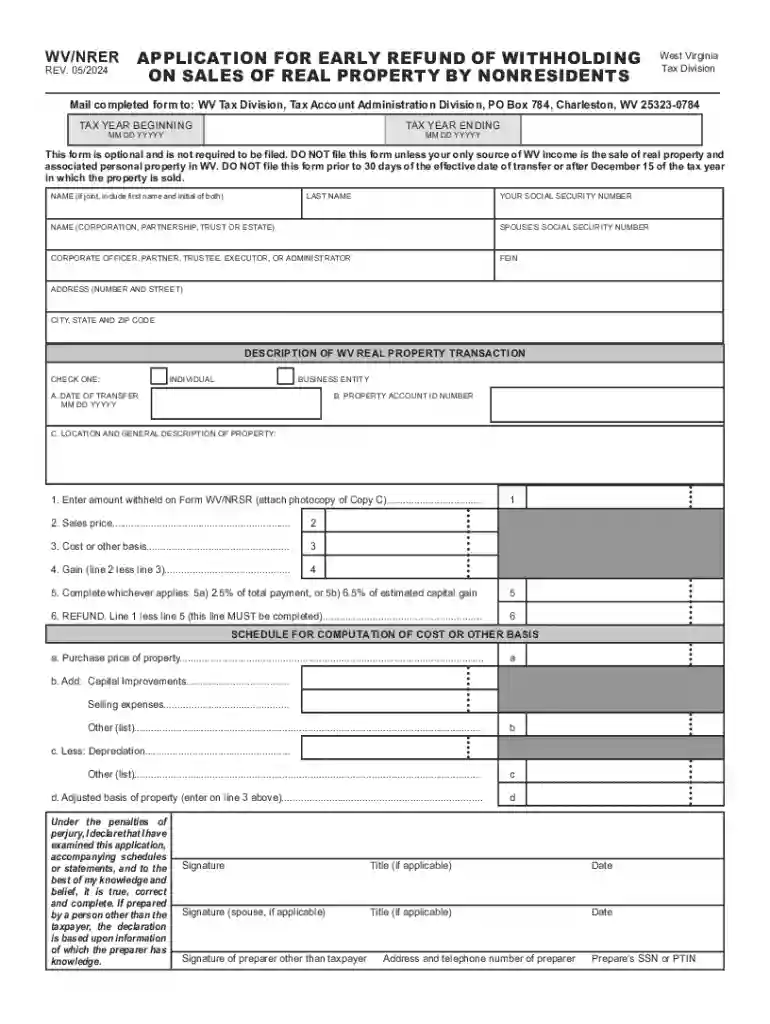
Type text, add images, blackout confidential details, add comments, highlights and more.

Draw your signature, type it, upload its image, or use your mobile device as a signature pad.

Send it via email, link, or fax. You can also download it, export it or print it out.
The Substitute Tax Form Requirements - West Virginia Tax Division pertains to the specific guidelines and criteria established for individuals and entities who need to file substitute tax forms in West Virginia. These requirements are crucial for ensuring compliance with state tax laws, facilitating the proper processing of tax-related documents, and maintaining accurate records for both the taxpayer and the state.
Utilizing the Substitute Tax Form Requirements involves understanding the specific elements that need to be included on any substitute forms filed in lieu of standard tax forms.
Completing the form correctly is essential for tax compliance and accurate processing by the West Virginia Tax Division.
Gather Necessary Information:
Fill Out Form Fields:
Review for Accuracy:
Submit Form:
Understanding the terminology associated with the Substitute Tax Form Requirements is vital to ensure proper compliance.
Legal adherence to the Substitute Tax Form Requirements ensures your tax documents are processed correctly and avoids potential penalties.
West Virginia has specific rules governing the use of substitute tax forms, which differ from other states.
Filing deadlines are integral to maintain compliance and ensure your tax return is processed without delay.
Preparing the necessary documentation ahead of time helps facilitate a smooth filing process.
Ensuring conformity with these requirements avoids penalties which can include financial fines and other repercussions.
We've got more versions of the Substitute Tax Form Requirements - West Virginia Tax Division form. Select the right Substitute Tax Form Requirements - West Virginia Tax Division version from the list and start editing it straight away!
At DocHub, your data security is our priority. We follow HIPAA, SOC2, GDPR, and other standards, so you can work on your documents with confidence.

These forms and corresponding instructions are available on our website at Tax.WV.Gov on the Individuals page. Toll Free: 1-800-982-8297
Apr 15, 2021 MAY BE SUBSTITUTED FOR THE WEST VIRGINIA SCHEDULE you do not have to submit this form with your return. However, you must have a copy of your


