




01. Edit your form online
Type text, add images, blackout confidential details, add comments, highlights and more.

Type text, add images, blackout confidential details, add comments, highlights and more.

Draw your signature, type it, upload its image, or use your mobile device as a signature pad.

Send it via email, link, or fax. You can also download it, export it or print it out.
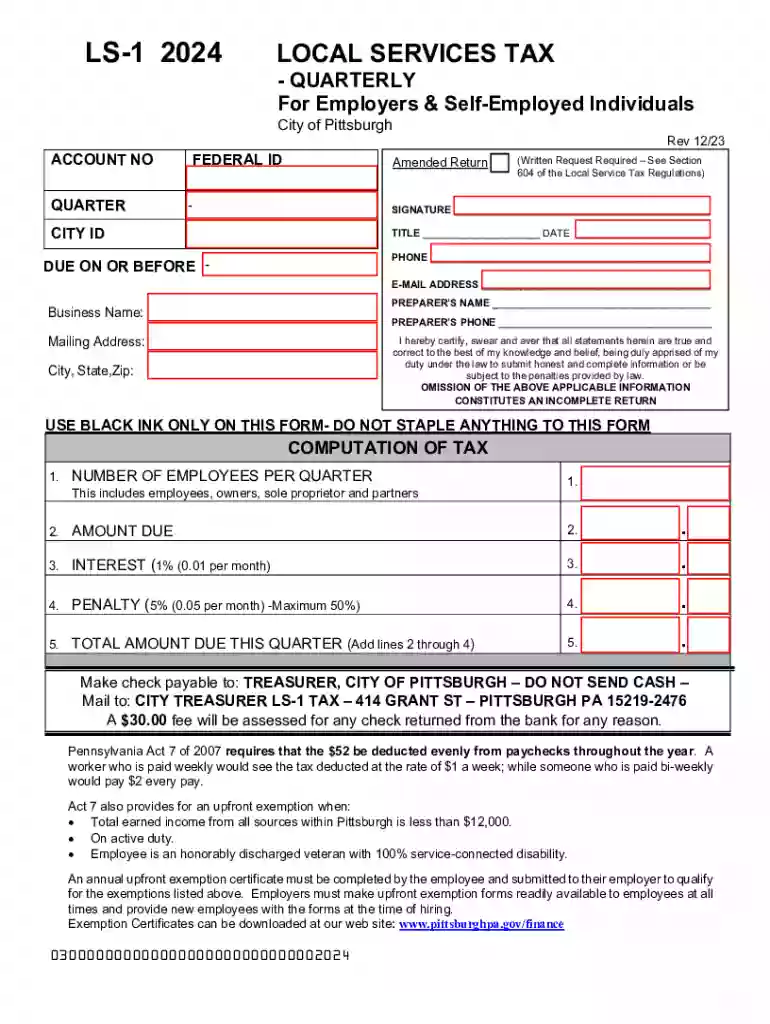
The Local Services Tax (LST-1) is a municipal tax imposed on individuals who work within certain jurisdictions in the United States. This tax is designated specifically for funding essential services within local communities, such as emergency services, road maintenance, and public safety. Typically, the tax is a small annual fee deducted from workers' paychecks based on their place of employment, rather than residence. The tax is primarily aimed at individuals employed within the municipality, regardless of whether they reside in the same locality.
Employees who work in multiple jurisdictions may be subject to paying the Local Services Tax in multiple areas unless they qualify for an exemption. Municipal regulations often provide detailed criteria for these exemptions. Therefore, understanding the precise application of this tax within different jurisdictions is crucial for compliance.
The LST-1 FAQ typically covers a variety of topics, from general definitions to specific operational details. It addresses common questions concerning:
The document serves as an accessible resource for both employers and employees seeking clarity regarding compliance obligations.
Following these steps helps ensure compliance with the Local Services Tax requirements, minimizing the risk of errors or penalties.
The application and enforcement of the Local Services Tax can vary significantly from one state to another or even between municipalities within the same state. For instance:
It's essential for taxpayers and employers to refer to their specific state's or locality's guidelines to understand their obligations and rights under the LST.
The LST-1 FAQ is an invaluable resource for several groups:
By addressing specific needs across these groups, the FAQ streamlines the tax compliance process.


Critical deadlines associated with the Local Services Tax revolve around fiscal quarters:
Meeting these deadlines avoids penalties, interest charges, and other compliance issues, making it essential to track and adhere to the specified dates.
Failing to comply with the Local Services Tax regulations can lead to financial consequences:
Both employers and employees are encouraged to closely follow the guidelines to avoid these repercussions.
Consider these practical scenarios:
These examples illustrate the broad utility and application of the FAQ for various individuals and situations, providing clarity and facilitating compliance.
We've got more versions of the Local Services Tax (LST-1) FAQ form. Select the right Local Services Tax (LST-1) FAQ version from the list and start editing it straight away!
| Versions | Form popularity | Fillable & printable |
|---|---|---|
| 2025 | 4.7 Satisfied (46 Votes) | |
| 2024 | 4.2 Satisfied (52 Votes) | |
| 2023 | 4.4 Satisfied (40 Votes) | |
| 2022 | 4.8 Satisfied (49 Votes) | |
| 2021 | 4.4 Satisfied (157 Votes) | |
| 2020 | 4.3 Satisfied (201 Votes) | |
| 2017 | 4.2 Satisfied (73 Votes) | |
| 2016 | 4.1 Satisfied (46 Votes) | |
| 2015 | 4 Satisfied (36 Votes) | |
| 2014 | 4 Satisfied (25 Votes) |
At DocHub, your data security is our priority. We follow HIPAA, SOC2, GDPR, and other standards, so you can work on your documents with confidence.
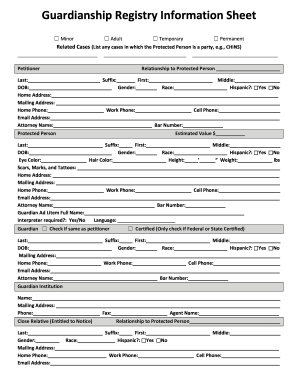



A minimum of 25% of the tax revenues are to be used for emergency services, such as police, fire, and ambulance protection. Municipalities, but not schoolRead more
Local Services Tax (LST) FAQs. Local Services Tax (LST). An LST imposed for the first time becomes effective on January 1 of the year can be anywhere from $0


