




01. Edit your nj st 13 form online
Type text, add images, blackout confidential details, add comments, highlights and more.

Type text, add images, blackout confidential details, add comments, highlights and more.

Draw your signature, type it, upload its image, or use your mobile device as a signature pad.

Send st13 via email, link, or fax. You can also download it, export it or print it out.
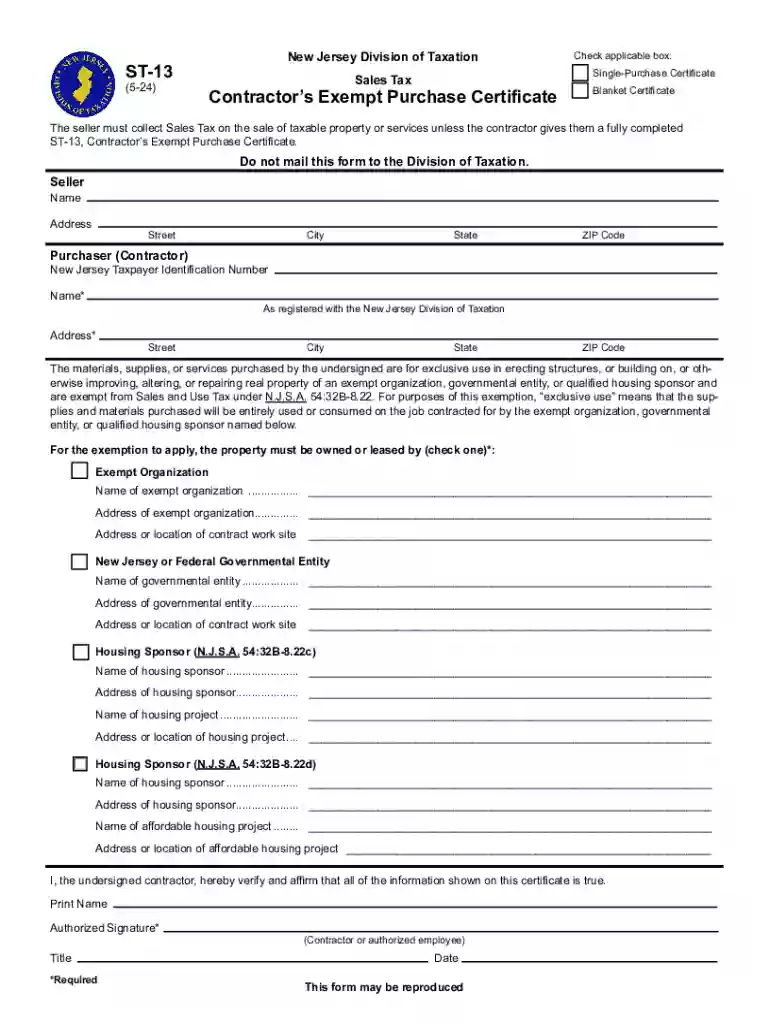
The "Form ST-13 Contractor's Exempt Purchase Certificate" is a critical tax document utilized by contractors in New Jersey. This form serves as a certificate allowing contractors to claim an exemption from sales tax on purchases of materials and services. The exemption is primarily intended for projects involving exempt organizations, government entities, or qualified housing sponsors. This document simplifies tax compliance for contractors, enabling them to avoid sales tax on eligible purchases.
To acquire the Form ST-13, contractors can visit the official website of the New Jersey Division of Taxation. The form is readily available for download, ensuring easy access for contractors undertaking qualifying projects. Contractors should ensure they have the necessary information regarding their project and the exempt entity involved. This initial collection of details is crucial to complete the form accurately and efficiently.
Begin by Filling out Identification Information: Enter the contractor's name, address, and tax identification number. This information is used to verify the legitimacy of the request for exemption.
Specify the Purchaser and Seller Details: Clearly state the details of the exempt entity involved in the project, including their name and address.
Describe the Nature of the Project: Provide a detailed explanation of the project and how it qualifies for sales tax exemption according to New Jersey regulations.
List the Materials and Services: Identify the materials and services being purchased that qualify for exemption. This section should be detailed to prevent future audits or inquiries.
Sign and Date the Form: Ensure the form is signed and dated by an authorized representative of the contracting company. This signature certifies the accuracy and truthfulness of the information provided.
The form is primarily used by contractors engaged in projects for exempt entities such as government agencies, non-profit organizations, and housing sponsors. These contractors benefit from the exemption as it reduces overall costs, making their bids more competitive. Additionally, businesses engaging in such projects often use Form ST-13 to strengthen their adherence to tax compliance.


The Form ST-13 is legally recognized under New Jersey tax laws. It is exclusively used to certify that a contractor is eligible for sales tax exemptions for specific projects. Misuse of this form can lead to significant legal consequences, including penalties and the assessment of back taxes. Therefore, it is imperative to use the form according to the legal stipulations outlined by New Jersey tax regulations.
Non-compliance with the requirements for Form ST-13 could result in penalties, including fines and interest on unpaid taxes. Additionally, contractors may be subject to audits and could lose eligibility for future exemptions. Compliance with all the specifications and accuracy in filing are therefore paramount to avoid these issues.
We've got more versions of the nj st 13 form form. Select the right nj st 13 form version from the list and start editing it straight away!
At DocHub, your data security is our priority. We follow HIPAA, SOC2, GDPR, and other standards, so you can work on your documents with confidence.


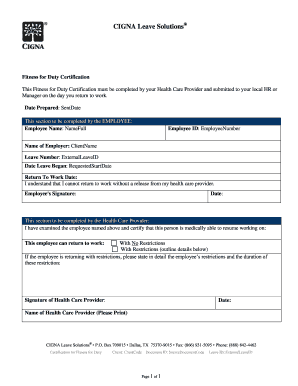
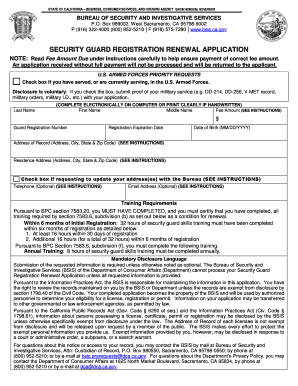
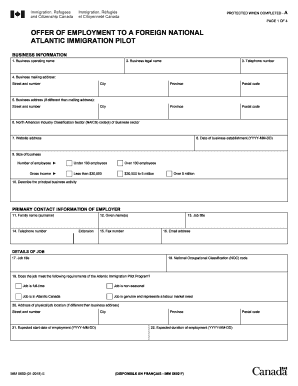

Feb 27, 2026 ST-13 Contractors Exempt Purchase Certificate Sales and Use Tax Certificate -18 Use Tax (For Purchases On or After January 1, 2018)
A contractor issues Form ST-13 or other approved form to the supplier when making purchases of materials, supplies, or services for use in performing work


