Definition & Meaning
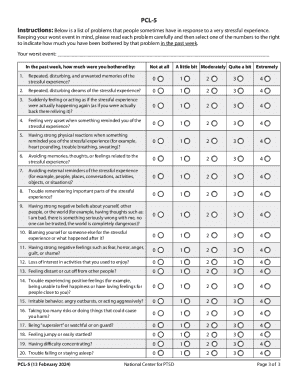
Form online refers to electronic versions of traditional paper forms, allowing users to fill out, submit, and manage forms digitally over the internet. These forms can cover a wide range of applications, from tax filings to job applications. By using forms online, users can streamline administrative tasks, reduce paperwork, and enhance accessibility. They support various functionalities, such as electronic signatures, autofill, and real-time data validation, making them an efficient alternative to paper-based forms.
Key Features
- Digital Interface: Forms are accessed and completed via a web browser, eliminating the need for physical paperwork.
- Interactive Elements: Includes fields like text boxes, drop-down lists, and checkboxes for ease of use.
- Data Security: Incorporates encryption and secure authentication to protect user information.
How to Use the Form Online
Utilizing forms online involves several straightforward steps, ensuring even beginners can navigate the process efficiently.
-
Access the Form: Start by visiting the relevant website where the form is hosted. This might be a government site, a business portal, or a dedicated form management service.
-
Fill Out the Required Fields: Enter the necessary information in the provided fields. Forms typically highlight mandatory fields to avoid incomplete submissions.
-
Attach Any Necessary Documents: Some forms require supporting documents, which can be uploaded directly in digital format.
-
Review and Submit: Verify all entered data for accuracy before submitting. Most platforms allow users to save a draft if more time is needed.
Tips for Efficient Use
- Enable Autofill: Utilize browser autofill for faster completion.
- Use Validation Tools: Many online forms include real-time validation, reducing errors before submission.
Steps to Complete the Form Online
Completing an online form involves a systematic approach to ensure that all required information is accurately provided.
-
Identify the Form Type: Determine the purpose of the form and ensure it meets your specific needs or obligations.
-
Gather Required Information: Compile any necessary details, such as personal identification, employment history, or financial records, beforehand.
-
Input Information: Carefully enter data into the form fields. Take note of any specialized formatting requirements, such as date formats or numeric entries.
-
Upload Attachments: Attach supplementary documents as PDFs or image files if required.
-
Review for Errors: Check for completeness and accuracy, correcting any mistakes promptly.
-
Submit the Form: Once reviewed, submit the form electronically. A confirmation receipt is typically provided, noting that the form has been successfully received.
Who Typically Uses the Form Online
Different populations might require using forms online depending on the form's nature and purpose. Understanding who uses these forms helps in targeting specific user needs effectively.


Common Users
- Individuals: Engaged in tasks like tax filing, job applications, or obtaining permits.
- Businesses: Fill out forms for compliance, reporting, or contractual purposes.
- Government Workers: Utilize forms for data collection and public records management.

Specialized Users
- Students: Use forms for admissions and financial aid applications.
- Healthcare Providers: Complete forms for patient information and medical records.
Important Terms Related to Form Online
Understanding key terms associated with online forms can facilitate their effective use.
Technical Terms
- Encryption: A security measure ensuring that data transmitted through the form remains confidential.
- Responsive Design: Ensures forms are viewable and functional on various devices, including smartphones and tablets.
Process-Related Terms
- Submission Confirmation: An acknowledgment that the form has been successfully sent and received.
- Data Validation: A process that checks input data for correctness and compliance with predefined standards.
Legal Use of the Form Online
Electronic forms can carry the same legal weight as their paper counterparts, provided they comply with relevant regulations.
Regulatory Compliance
- ESIGN Act: In the U.S., the ESIGN Act grants electronic forms and signatures the same legal status as paper versions.
- GDPR: In Europe, forms must comply with data protection standards to ensure privacy rights.
Scenarios of Legal Use
- Binding Contracts: Forms can be used to execute legally binding agreements when electronically signed.
- Official Submissions: Tax returns or government applications submitted electronically are legally recognized.
Form Submission Methods (Online / Mail / In-Person)
Forms can be submitted through various channels, with online submission offering numerous advantages.
Online Submission
- Instant Submission: Immediate receipt acknowledgment.
- Automated Processing: Reduced processing time due to digital workflows.
Traditional Methods
- Mail: Physical copies are sent with potential delays and risks of loss.
- In-Person: Direct submission, often providing immediate feedback or confirmation but requiring more time and physical presence.
Penalties for Non-Compliance
Failing to correctly complete or timely submit a form can lead to significant consequences.
Potential Penalties
- Late Fees: Financial penalties for missing submission deadlines.
- Legal Repercussions: Possible legal action for non-compliance with statutory requirements.
- Ineligibility: Disqualification from opportunities like grants or licenses due to improper form completion.
Avoiding Penalties
- Timely Submission: Monitor deadlines and utilize reminders.
- Complete Accuracy: Double-check all information to ensure compliance with requirements.