




01. Edit your form online
Type text, add images, blackout confidential details, add comments, highlights and more.

Type text, add images, blackout confidential details, add comments, highlights and more.

Draw your signature, type it, upload its image, or use your mobile device as a signature pad.

Send it via email, link, or fax. You can also download it, export it or print it out.
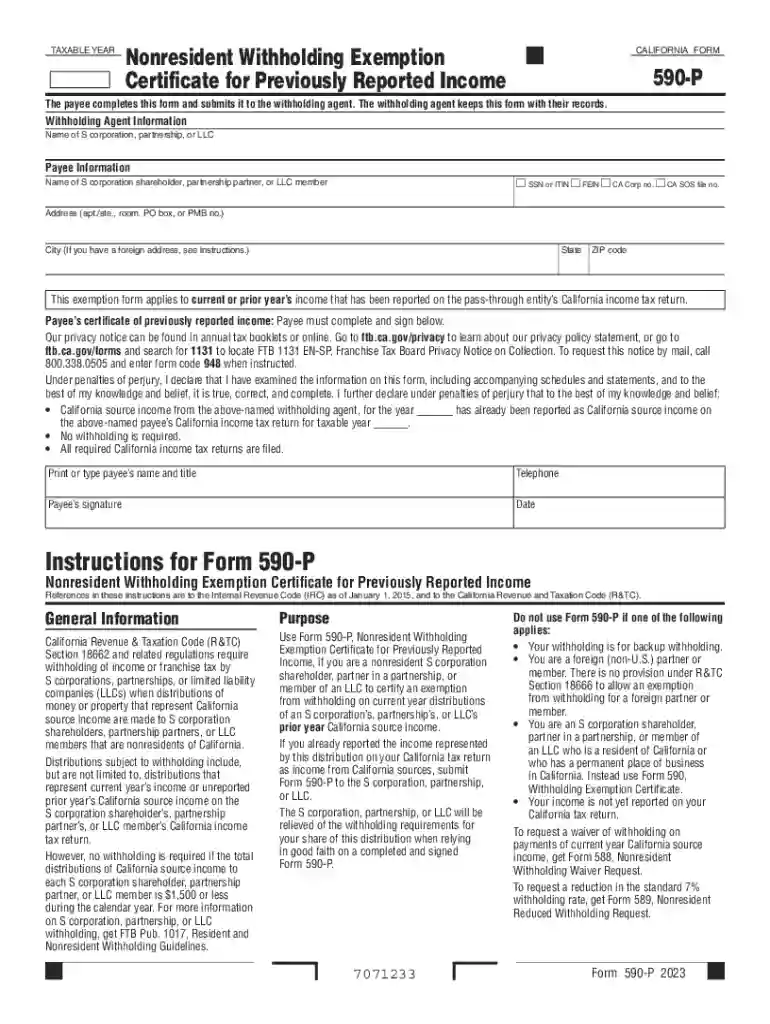
The 2024 Form 590-P, known as the Nonresident Withholding Exemption Certificate for Previously Reported Income, is a critical document used in California. It allows nonresident shareholders of S corporations, partners in partnerships, or LLC members to certify that their income has been previously reported on a California tax return. This certification exempts them from further withholding on distributions of California source income that were reported in prior years.
The form requires detailed information about the taxpayer, including:
The form is primarily used by:
Each of these entities must ensure their income was already reported on a California tax return to avoid withholding obligations.


The form is available through:
Printed copies can be requested from the California Franchise Tax Board or obtained through local tax offices in California.
Failure to adhere to deadlines can result in penalties:
Non-compliance can lead to:
Understanding these penalties emphasizes the importance of correctly completing and submitting Form 590-P.
The Form 590-P is governed by California-specific tax regulations:
Different scenarios necessitate the form's use:
Tax scenarios emphasize the utility of the 590-P in various taxpayer situations within California.

The form is compatible with numerous software platforms, such as:
Taxpayers benefit from streamlined workflows when using compatible digital tools.
Maintaining accurate disclosures protects against future audit risks and non-compliance issues.
We've got more versions of the 2024 Form 590-P Nonresident Withholding Exemption Certificate for Previously Reported Income 2024 Fo form. Select the right 2024 Form 590-P Nonresident Withholding Exemption Certificate for Previously Reported Income 2024 Fo version from the list and start editing it straight away!
| Versions | Form popularity | Fillable & printable |
|---|---|---|
| 2025 | 4.4 Satisfied (33 Votes) | |
| 2024 | 4.4 Satisfied (57 Votes) | |
| 2023 | 4.6 Satisfied (20 Votes) | |
| 2022 | 4.2 Satisfied (37 Votes) | |
| 2021 | 4.8 Satisfied (91 Votes) | |
| 2020 | 4.2 Satisfied (96 Votes) | |
| 2019 | 4.4 Satisfied (171 Votes) | |
| 2018 | 4.3 Satisfied (111 Votes) | |
| 2016 | 4.4 Satisfied (424 Votes) | |
| 2015 | 4.1 Satisfied (51 Votes) | |
| 2014 | 4.1 Satisfied (47 Votes) | |
| 2013 | 4 Satisfied (52 Votes) | |
| 2011 | 4.3 Satisfied (68 Votes) |
At DocHub, your data security is our priority. We follow HIPAA, SOC2, GDPR, and other standards, so you can work on your documents with confidence.

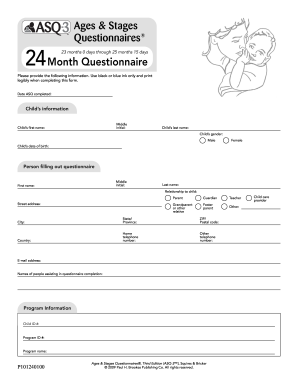

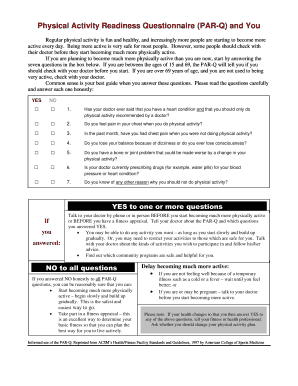
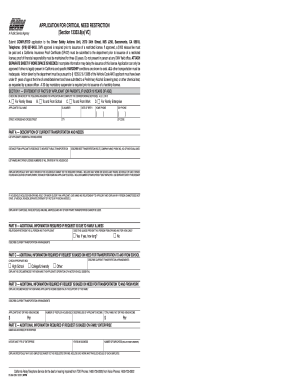

Schedule 1 reports additional income and adjustments to income. Schedule 2 reports additional taxes, and Schedule 3 reports additional credits and payments.
Form 590, Withholding Exemption Certificate, to DocHub an exemption from nonresident withholding. Form 590 does not apply to payments of backup withholding.
By checking the appropriate box below, the payee certifies the reason for the exemption from the California income tax withholding requirements on payment(s)Read more


