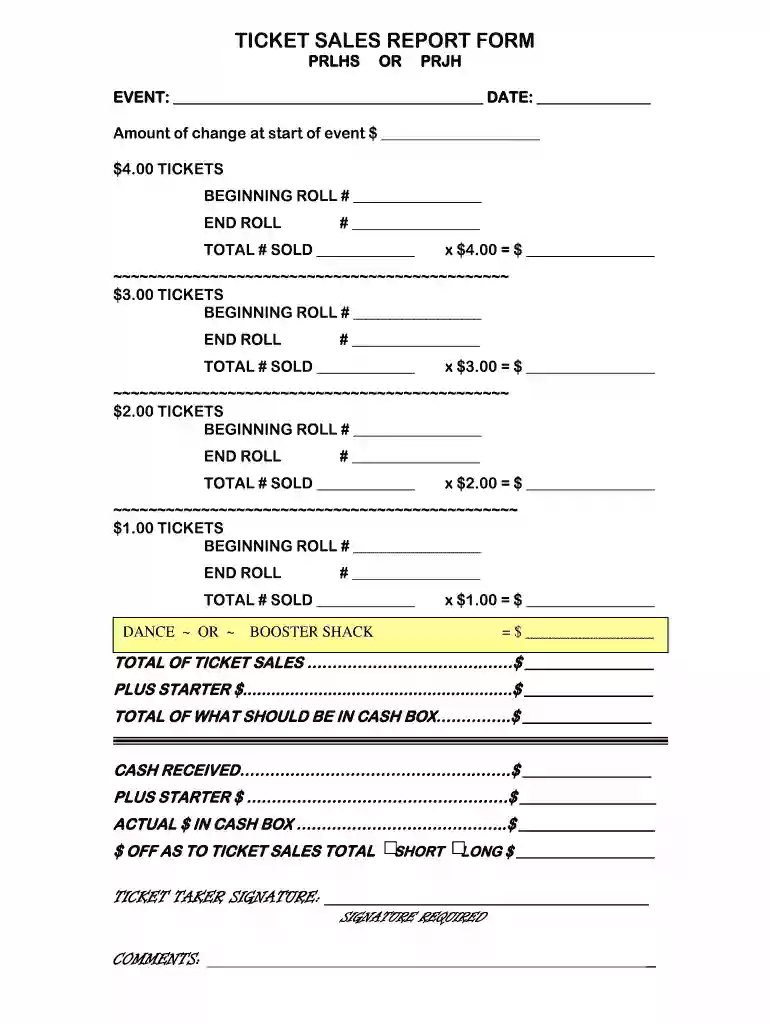
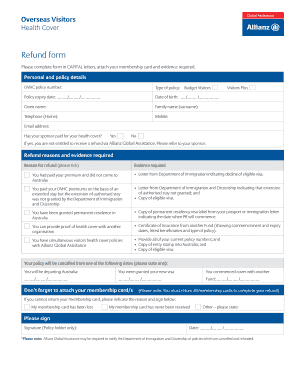
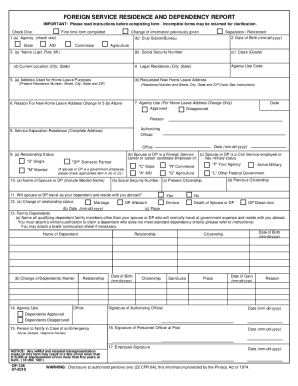
Amount of change at start of event $ 2026

Get Form
Amount of change at start of event $ Preview on Page 1

Here's how it works

01. Edit your form online
Type text, add images, blackout confidential details, add comments, highlights and more.

02. Sign it in a few clicks
Draw your signature, type it, upload its image, or use your mobile device as a signature pad.

03. Share your form with others
Send it via email, link, or fax. You can also download it, export it or print it out.

Definition and Meaning of "Amount of change at start of event $"

The "Amount of change at start of event $" refers to the initial cash reserve set aside for making change during an event. This amount is crucial for events involving cash transactions, such as ticket sales, where event organizers need to provide exact change to customers. This starting change helps in maintaining smooth cash handling operations and prevents transaction delays.

Importance of Setting a Proper Initial Cash Reserve

  • Ensures Smooth Transactions: Having the right amount of change ensures quick and efficient cash handling.
  • Avoids Disruptions: Insufficient change can lead to transaction delays, especially during peak event times.
  • Financial Planning: Helps organizers plan the estimated cash flow during the event.

How to Use the "Amount of change at start of event $"

Setting and utilizing the initial change amount requires strategic planning and execution:

  1. Determine Expected Sales Volume: Estimate the number of transactions and the denominations typically tendered.
  2. Calculate Required Denominations: Ensure a variety of bills and coins to cater to different change scenarios.
  3. Secure and Record Change: Document the starting amount before the event begins for accurate financial tracking.

Practical Example

For an event selling tickets at multiple price points, assess the number of high and low-denomination bills needed based on past transaction behaviors.

Steps to Complete the "Amount of change at start of event $"

Accurately filling out the amount for starting change at an event involves these steps:

  1. Pre-Event Planning:
    • Calculate the estimated number of transactions.
    • Determine the typical denominations received.
  2. Calculate Initial Change:
    • Decide on a balanced mix of bills and coins.
    • Record the start count in the cash box.
  3. Documentation:
    • Use a form to note the starting change, ensuring traceability.

Subsections for Process Clarity

  • Initial Calculation Example:
    • Events with high ticket price require fewer coins.
    • Lower-priced events may require more coins for change.
  • Record-Keeping: Regularly update the cash log for transparency.

Key Elements of the "Amount of change at start of event $"

The form captures essential details for proper cash handling management:

  • Starting Cash Amount: The total initial funds for making change.
  • Denomination Breakdown: A detailed list of the bills and coins used.
  • Documentation of Changes: Track any additions or removals from the initial amount.

Elements Explained

  • Float Amount: Acts as a buffer for cash representatives during an event.
  • Tracking Sheet: Essential for reconciliation post-event.

Who Typically Uses the "Amount of change at start of event $"

This involves multiple stakeholders depending on the event's nature:

  • Event Organizers: Responsible for overall managing and documenting.
  • Cashiers and Financial Staff: Operate the cash register and maintain balance.
  • Accountants: Use the data for financial reconciliation post-event.
decoration image ratings of Dochub

Examples of Using the "Amount of Change at Start of Event $"

Different scenarios highlight the importance of this form in event management:

  • Concerts: Where high foot traffic necessitates quick change availability.
  • Festivals: With numerous transactions over a short period require change readiness.
  • Community Events: Example - Charity bake sales where small denominations are frequent.

Business Types that Benefit Most from "Amount of change at start of event $"

Specific business types see significant advantages from precise change handling at events:

  • Event Venues: Consistently handling large audiences.
  • Retailer Pop-ups: Require cash transactions efficiency.
  • Non-Profits: For fundraising events where managing donations can vary.

Highlighted Business Benefits

  • Efficiency Boost: Speeds up customer service during peak times.
  • Financial Accuracy: Improves end-of-event financial auditing.

Legal Use and Compliance for "Amount of change at start of event $"

Handling change at events requires legal compliance and financial transparency:

  1. Accurate Record Keeping: Ensure all initial and end balances are logged.
  2. Compliance with Local Laws: Adhere to tax and cash handling regulations particular to each state.

Compliance Tips

  • Documentation: Maintain records to ensure regulatory compliance.
  • Consistent Reconciliation: Regular checks to match logged data with actual transactions.

By structuring events with a well-documented "Amount of change at start of event $," organizers can efficiently manage cash transactions, improving overall operational efficiency and customer satisfaction.

be ready to get more

Complete this form in 5 minutes or less

Get form

Got questions?

We have answers to the most popular questions from our customers. If you can't find an answer to your question, please contact us.
Contact us
Consider how much cash youll need on hand to make change for attendees and stop by the bank ahead of time. Conventional advice is to have at least $100 cash available to make change. Heres a common breakdown: (20) $1 bills = $20.
The currency should be separated into slots by denomination, portrait side up, with all facing in the same direction. The highest denomination should always be on the left, decreasing to the smallest on the far right. Coins should follow the same pattern, with the highest on the left, decreasing to the right.
The amount of cash that should be in a till depends on the size and type of business. Most retail SMBs keep a standard amount of between $100 and $200. Tills should be stocked with multiple denominations of small bills in order to be able to provide change to customers.
This is inconvenient for patrons and it can also prevent you from making a sale. Though the exact amount might vary from business to business, make sure to have cash, sometimes referred to as petty cash, on-hand in the morning. For a small business, $100 to $150 should be more than enough.
You should keep a consistent amount of money in your register at the start of each day or shift, such as $100. This ensures you have enough cash to give change to your customers.

Security and compliance

At DocHub, your data security is our priority. We follow HIPAA, SOC2, GDPR, and other standards, so you can work on your documents with confidence.
Learn more
ccpa2
pci-dss
gdpr-compliance
hipaa
soc-compliance