




01. Edit your form online
Type text, add images, blackout confidential details, add comments, highlights and more.

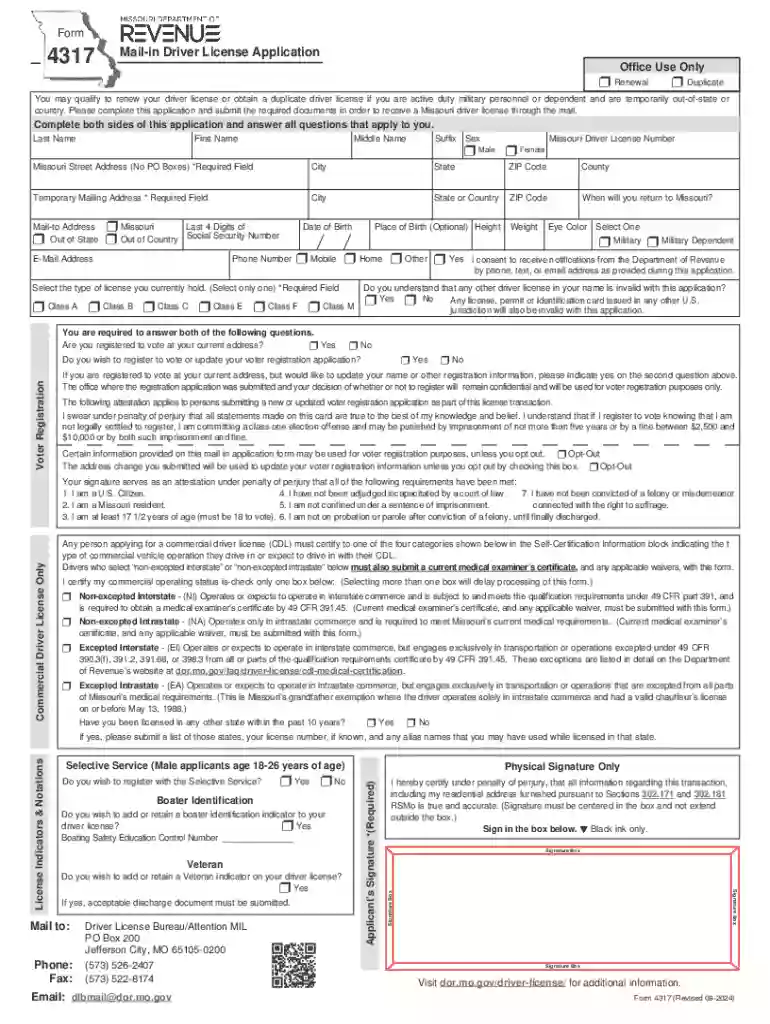
Type text, add images, blackout confidential details, add comments, highlights and more.

Draw your signature, type it, upload its image, or use your mobile device as a signature pad.

Send it via email, link, or fax. You can also download it, export it or print it out.
Transferring your out-of-state license in Connecticut refers to the process by which residents who have moved to Connecticut from another state can convert their existing driver's license to a Connecticut driver's license. This process ensures compliance with state regulations and allows the individual to drive legally within the state. Transferring your license is essential for maintaining accurate records, verifying identity, and meeting Connecticut’s legal requirements for residents. It involves submitting specific documentation and adhering to the state’s guidelines for licensing.
To complete the transfer of your out-of-state license in Connecticut, you will need several important documents. These typically include:
Ensure all documents are current and originals or certified copies, as Connecticut requires these for verification.
Connecticut has specific guidelines that differentiate license transfers from other states. Key points include:
Understanding and adhering to these state-specific regulations is crucial for a smooth transition.
Eligibility to transfer your out-of-state license to Connecticut is generally contingent on a few criteria:
These criteria ensure that the applicant is legally eligible to drive and remains compliant with Connecticut’s transportation laws.


Once you have successfully transferred your out-of-state license to Connecticut, it legally allows you to drive within the state. The license serves as an official identification document, which can be used for various legal activities such as:
The Connecticut DMV offers several methods for submitting your transfer application and documentation:
While certain preliminary steps can be completed online, a physical presence at the DMV is essential for completing the application.
Failure to transfer your out-of-state driver's license within the mandated time period in Connecticut can result in penalties. These may include:
Understanding these penalties underscores the importance of timely compliance with state requirements.
We've got more versions of the Transfer your out-of-state license - CT form. Select the right Transfer your out-of-state license - CT version from the list and start editing it straight away!
| Versions | Form popularity | Fillable & printable |
|---|---|---|
| 2026 | 4.1 Satisfied (25 Votes) | |
| 2024 | 4.5 Satisfied (22 Votes) | |
| 2023 | 4.2 Satisfied (30 Votes) | |
| 2022 | 4.9 Satisfied (25 Votes) | |
| 2021 | 4.6 Satisfied (43 Votes) | |
| 2020 | 4.4 Satisfied (247 Votes) | |
| 2019 | 4.2 Satisfied (74 Votes) | |
| 2019 | 4.1 Satisfied (80 Votes) | |
| 2018 | 4.3 Satisfied (137 Votes) | |
| 2017 | 4.3 Satisfied (50 Votes) | |
| 2016 | 4.4 Satisfied (292 Votes) | |
| 2014 | 4 Satisfied (54 Votes) |
At DocHub, your data security is our priority. We follow HIPAA, SOC2, GDPR, and other standards, so you can work on your documents with confidence.
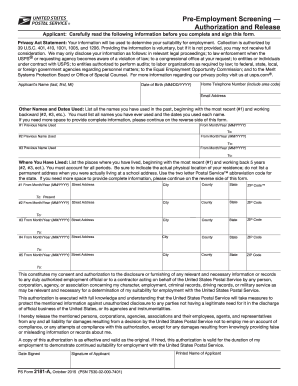
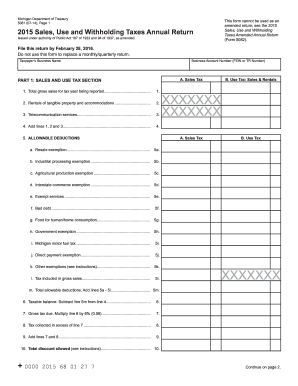


Once you establish residency, you have 90 days to transfer your out-of-state license to Connecticut. DMV branch offices, $84 license fee $40 application fee.
Cohesity gives you both data security and data management. State, local government, and education. A single, secure platform to protect 1,000+ workloads,
Citizens of Canada, Germany, and France with valid drivers licenses may transfer their home country driving license to a CT license using the same procedures


