
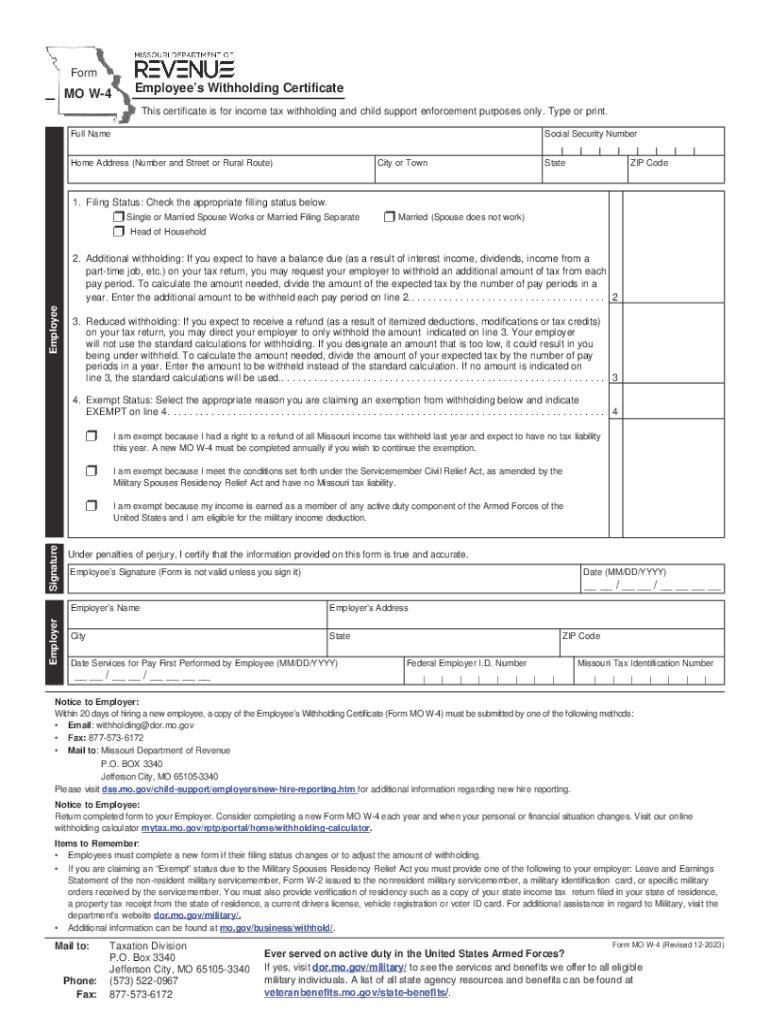







Understanding "If You Designate an Amount That Is Too Low, It Could Result in You"
This phrase signifies a potential risk or warning associated with underestimating a specific quantity or value in a legal, tax, or financial document. Whether it's related to withholding taxes, insurance, or any contractual agreements, setting amounts too low could lead to unintended financial or legal consequences.
Key Elements of Setting Amounts in Financial Forms
Importance of Accurate Designations
- Underestimating amounts on forms like the W-4 can result in financial shortfalls.
- Proper estimation ensures compliance and financial stability.
Real-World Impact
- Individuals with inadequate withholding may owe large sums during tax filing.
- Companies setting insufficient reserves may face liquidity issues.
Steps to Complete Financial Designations
How to Determine Appropriate Amounts
- Assess Your Financial Situation: Gather current income and expense information.
- Evaluate Future Changes: Consider upcoming expenses or income changes.
- Consult Guidelines or Advisors: Use IRS worksheets or financial advisors to guide estimates.
Using Online Calculators
- Several websites, like the IRS, offer calculators to aid in setting accurate designations.
- Ensure you input correct and updated information for reliability.
Legal Use of Financial Designations
Regulatory Compliance
- Many forms stipulate regulations governing the amounts set.
- Legal frameworks, such as the ESIGN Act, ensure electronic filings are as binding as physical ones.
Contractual Agreements
- Designating correct amounts can safeguard against breaches in financial contracts.
- For instance, business contracts often specify minimum thresholds for designated amounts.
Penalties for Overly Low Designations
Potential Consequences
- Tax Forms: Under-withheld amounts can result in penalties during tax filing.
- Insurance Policies: Insufficient coverage designations can leave uncovered losses.
IRS Guidelines
- IRS penalties apply for substantial underpayment due to incorrect withholding designations.
- Understanding and adhering to IRS guidelines is crucial.
Examples of Document Workflows
Tax Forms, Insurance, and More
- In W-4 forms, employees designate withholding amounts; too low amounts mean taxes due later.
- Insurance documents often involve designating coverage amounts based on risk assessments.
Business Applications
- LLCs or corporations need accurate capitalization reports; underestimation can affect share pricing.
State-Specific Rules and Variations
Diverse Requirements Across States
- Tax designations may vary by state due to different tax laws or financial regulations.
- Knowledge of local requirements is essential for compliance.
State-by-State Document Implications
- In states like California, overly low income designations can result in adjusted penalty rates.
- Familiarity with regional laws prevents unintended financial liabilities.
Technological Integration and Support
Software Compatibility
- Modern platforms like DocHub allow seamless document management, including accurate financial designations.
- Compatibility with tools like TurboTax and QuickBooks simplifies accurate form submissions.
Digital vs. Paper Versions
- Digital forms often allow for more accurate calculations due to integrated tools and automation.
- Ensure compatibility with electronic document systems for streamlined workflows.
Best Practices for Avoiding Low Designations
Comprehensive Review Processes
- Regular reviews of financial documents help identify potentially low designation errors.
- Implement peer reviews or professional assessments to mitigate risks.
Utilization of Financial Tools
- Leverage financial software to simulate scenarios and set optimal values.
- Explore tools offering real-time data integration for up-to-date financial management.
Conclusion: Strategic Designations for Compliance
- Accurate designations, backed by thorough analyses and strategic planning, safeguard against financial penalties and ensure compliance across various forms.
- Continuous education on regulatory updates and technological advancements will aid in maintaining accurate financial practices.




