




01. Edit your form online
Type text, add images, blackout confidential details, add comments, highlights and more.

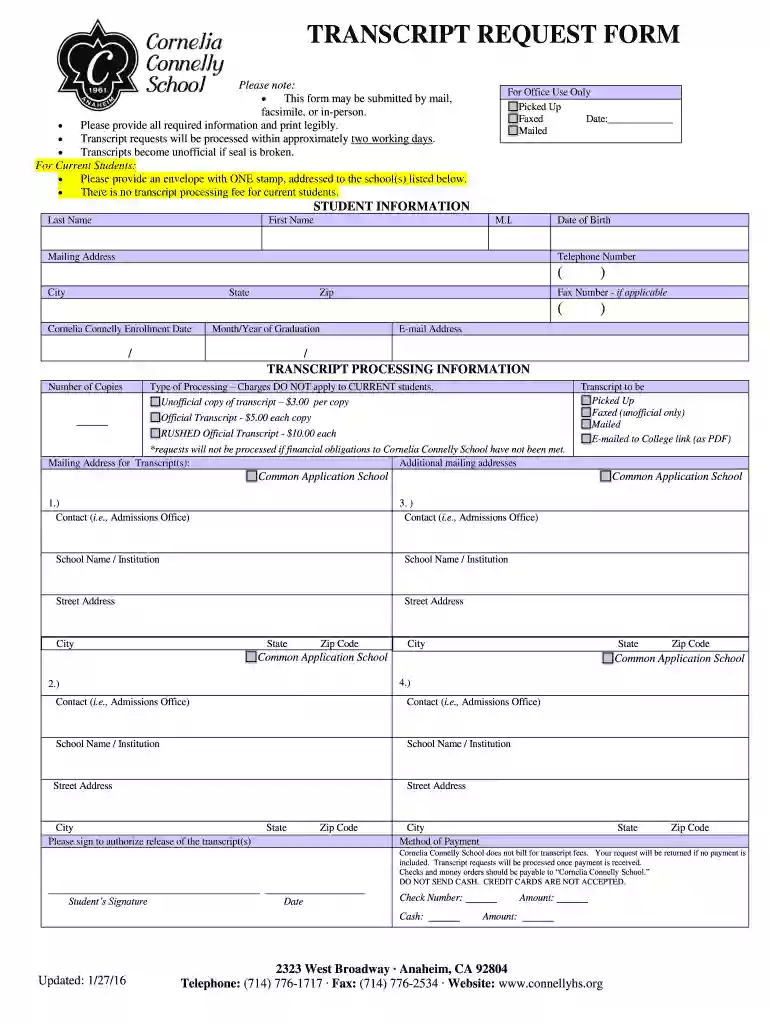
Type text, add images, blackout confidential details, add comments, highlights and more.

Draw your signature, type it, upload its image, or use your mobile device as a signature pad.

Send it via email, link, or fax. You can also download it, export it or print it out.
"Please note: This form may be submitted by mail, facsimile" refers to a phrase often seen on formal documents indicating the permissible ways these documents can be submitted. The phrase suggests that, in addition to potential other methods, such as online submission, the document can specifically be sent through traditional mail services or via fax. This form type typically relates to administrative or legal documents where physical security and authenticity play crucial roles.
Both methods provide tangible proof options in case of disputes or delays.
Using the form correctly involves several important steps to ensure it is processed without delays:
Download or Obtain the Form: Access the form through the issuing agency's official website or request a physical copy by contacting the agency directly.
Fill Out the Form Accurately: Ensure all required fields are completed accurately. Double-check information such as names, addresses, and other critical data.
Choose the Submission Method: Decide whether to send it by mail or facsimile based on accessibility to these services and any urgency factors.
Completing the form involves several essential steps:
Read All Instructions: Carefully review provided guidelines before starting.
Complete Required Sections: Input all necessary information in designated fields.
Review for Accuracy: Verify all entered data for precision and completeness.
Attach Required Documents: Include any supporting paperwork detailed in the instructions.
Sign the Form: Ensure all required signatures are affixed in accordance with the requirements.
Select a Submission Method: Opt for mailing or faxing, considering urgency and reliability.
Certain accompanying documents may be needed to complement the submission, such as:
Ensure these documents are up-to-date and correspond with the details on the form.
These components ensure clarity, legality, and formal acceptance of the form.
This form is commonly used by individuals and businesses engaged in processes requiring documentary proof of submission. Typical users include:


While "Please note: This form may be submitted by mail, facsimile" highlights traditional methods, additional submission methods may be available:
Choosing between digital and paper versions depends on several factors:
Each version has unique advantages regarding speed, convenience, and regulatory acceptance.
Failure to submit the form according to specified guidelines can result in penalties, depending on the issuing body's policies:
Ensuring timely and compliant submission prevents such penalties and maintains good standing with the issuing agency.
Proper use of this form is critical for compliance and legal purposes. Documents should be:
Maintaining adherence to the legal standards ensures the form serves its intended legal purpose effectively.
We've got more versions of the Please note: This form may be submitted by mail, facsimile form. Select the right Please note: This form may be submitted by mail, facsimile version from the list and start editing it straight away!
At DocHub, your data security is our priority. We follow HIPAA, SOC2, GDPR, and other standards, so you can work on your documents with confidence.


Assignments or other documents affecting title may be submitted via facsimile to (571) 273-0140. Note: Only documents with an identified patent application orRead more
Form Submission: All forms being submitted must be - attached directly to an email, faxed, sent by mail or dropped off during open hours. If you are submittingRead more


