




01. Edit your exhibition application form online
Type text, add images, blackout confidential details, add comments, highlights and more.

Type text, add images, blackout confidential details, add comments, highlights and more.

Draw your signature, type it, upload its image, or use your mobile device as a signature pad.

Send exhibition application form via email, link, or fax. You can also download it, export it or print it out.
The exhibition application form is a document used by individuals or organizations wishing to participate as exhibitors in a trade show, fair, or similar event. This form serves as a formal request to secure a booth or space at the event, allowing participants to showcase their products or services. It typically collects essential information such as the exhibitor's official name, contact details, and the nature of the goods or services they intend to display. By completing and submitting this form, exhibitors agree to comply with the event’s rules and regulations, which can involve various logistical and legal requirements.
To effectively use the exhibition application form, an exhibitor should first thoroughly review the event's guidelines and requirements. This includes understanding eligibility criteria, booth allocation processes, and payment details. Once familiar with the requirements, exhibitors can proceed to fill out the form with their information. Key sections often include providing detailed contact information, indicating booth preferences, and specifying any additional requests, such as equipment needs or sponsorship opportunities. Upon completion, the form must be submitted according to the event organizer's specified method, often accompanied by a payment or deposit if required.
Exhibitors can obtain the exhibition application form through various channels. Event organizers typically make these forms available on their official websites, offering downloadable PDF versions or online application portals. In some cases, forms may also be distributed via email to potential exhibitors who have shown prior interest. It is essential for exhibitors to ensure they access the most current version of the form, as outdated forms may not be accepted. Depending on the event, forms might also be available at industry conferences or through relevant trade associations.
Review Event Details: Familiarize yourself with the event's rules, regulations, and deadlines.
Provide Basic Information: Enter your organization's official name, address, and primary contact person.
Select Booth Preferences: Choose your desired booth location or size, if options are available.
List Exhibits: Describe the products or services you plan to showcase at the event.
Agree to Terms: Read and consent to the event's terms and conditions.
Submit Payment: Attach the required application fee or deposit as instructed by the event organizer.
Submit Application: Send the completed form via the specified method, whether by mail, online submission, or in person.
Submitting an exhibition application form is crucial for securing a spot at an event and gaining exposure for your business. The form not only confirms your participation but also helps organizers allocate space efficiently based on specific business needs and preferences. Timely submission ensures that you meet all necessary requirements before the application deadline, avoiding potential penalties or missed opportunities to participate. Moreover, the information provided helps organizers plan logistical aspects such as event layout and exhibitor services.
The primary users of the exhibition application form are businesses and organizations seeking to promote their products, services, or brands at trade shows and exhibitions. This includes a diverse range of industries such as technology, fashion, automotive, and consumer goods. In addition to company representatives, marketing teams and event planners may also engage in the process to ensure that all logistics and strategic interests are addressed. The form is vital for any entity looking to network with industry peers and potential clients at such events.


An exhibition application form typically comprises several key elements:
These components collectively provide event organizers with the necessary information to facilitate a successful exhibition.
Typically, eligibility criteria for exhibitors include:
Understanding these criteria is vital for applicants to ensure their participation is validated and to prevent any last-minute disqualifications.

Certain exhibitions, particularly those held across multiple states, may be subject to varying state-specific regulations that can influence the content and requirements of the exhibition application form. These differences can affect licensing requirements, liability insurance stipulations, or taxation policies. Each state may have unique compliance rules regarding public health, safety, and environmental considerations, which exhibitors must adhere to. It's important for exhibitors to familiarize themselves with these state-specific rules to ensure their application is complete and complies with all local regulations.
We've got more versions of the exhibition application form form. Select the right exhibition application form version from the list and start editing it straight away!
| Versions | Form popularity | Fillable & printable |
|---|---|---|
| 2014 | 4.3 Satisfied (35 Votes) |
At DocHub, your data security is our priority. We follow HIPAA, SOC2, GDPR, and other standards, so you can work on your documents with confidence.

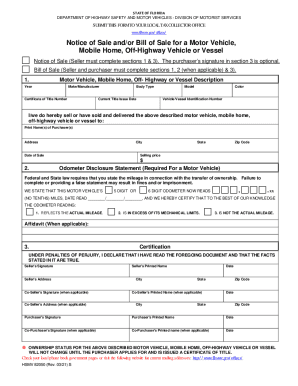

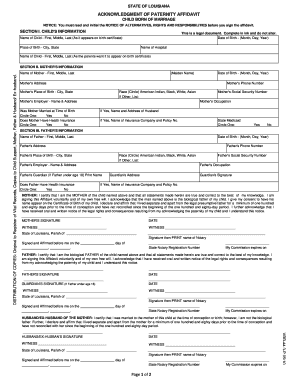
Artists/groups interested in exhibiting must submit the following via e-mail ・ at kelsey@alhambraca.gov ・ 10 Artwork samples in JPG format as attachments
Each entry requires a separate entry form. Mediums allowed: All traditional drawing and painting mediums (No photography, digital, AI). $20 entry fee.Read more


