





Definition and Meaning
Understanding what "form online" entails is crucial for effectively navigating the digital document landscape. In a broad sense, a form online refers to any digital document that is accessed, filled out, and submitted over the internet. These can range from simple contact forms on a website to complex tax forms required by government agencies. The digital nature allows for easy distribution, completion, and submission without the need for physical paperwork. This transition to digital forms is a significant advancement in document management, reducing the need for manual data entry and improving accuracy in data collection.
How to Use the Form Online
Using an online form typically involves several straightforward steps, which vary slightly based on the platform:
- Access the Platform: Navigate to the website or application that hosts the form. Ensure you have a reliable internet connection.
- Locate the Form: Use the search function or browse the relevant section for the form you need.
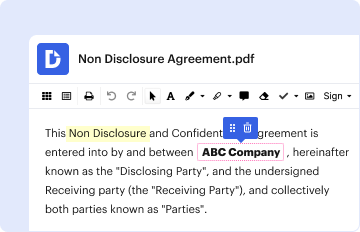
- Complete the Form: Input the required information. Many platforms, like DocHub, provide tools for editing and filling forms directly in your web browser.
- Review Your Input: Double-check all entered data for accuracy to avoid submission errors.
- Submit the Form: Once all information is verified, submit the form. Most platforms provide a confirmation message or email upon successful submission.
Platforms like DocHub allow digital annotation and editing, such as adding text, signatures, and checkboxes, streamlining the process further. This is particularly useful when dealing with fillable PDF forms.
Steps to Complete the Form Online
Completing forms online varies depending on the complexity of the document, but generally follows these steps:
- Download or Open: Access the form through a web platform like DocHub.
- Enter Information: Fill in the relevant fields, which may include personal information, dates, and other required details.
- Attach Documents: Some forms require additional documentation. Use the upload function to attach these files as needed.
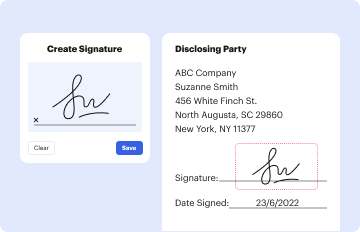
- Add Signatures: Use digital signature tools to sign the form, ensuring it meets legal standards like those set by the ESIGN Act.
- Review: Carefully go over the form for any mistakes or omissions.
- Submit: Send the completed form electronically. Many systems allow tracking of submission status and provide real-time updates.
Why You Should Form Online
There are several compelling reasons for choosing to complete forms online:
- Efficiency: Filling forms online significantly reduces the time required for processing.
- Convenience: Access and fill forms from anywhere with an internet connection, removing geographical constraints.
- Environmentally Friendly: Online forms eliminate the need for paper, aiding in environmental conservation.
- Accuracy: Minimizes the risk of errors through automated error-checking features.
- Security: Platforms like DocHub secure documents with encryption, ensuring personal data protection.
These advantages make online forms particularly appealing for businesses and individuals alike, facilitating quicker and more efficient data collection and processing.
Who Typically Uses the Form Online
Various user groups frequently utilize online forms, including:
- Individuals: For personal tax submissions, applications, and documentation.
- Businesses: For employee onboarding, client agreements, and data collection.
- Educational Institutions: For enrollment and administrative processes.
- Government Agencies: For collecting and processing citizen information efficiently.
These forms are integral to streamlining processes for organizations and individuals, enabling swift and effective data management.


Key Elements of the Form Online
A well-structured online form generally includes the following elements:
- Title and Introduction: Clearly stating the form's purpose.
- Fillable Fields: For entering necessary data, such as name, address, and specific queries.
- Instructions: Providing guidance on how to complete the form accurately.
- Digital Signature Fields: Allowing users to sign electronically.
- Submission Button: For submitting the form directly to the concerned entity or organization.
These elements ensure that forms are intuitive and user-friendly, promoting higher completion rates and data accuracy.
Examples of Using the Form Online
Online forms serve various practical applications:
- Job Applications: Streamlining resume and cover letter submissions for hiring processes.
- Tax Filings: Simplifying complex tax submissions, such as the IRS 1040 or W-9, directly from a computer.
- Survey Collection: Efficiently gathering data for research and feedback.
- Order Forms: Facilitating online purchases and transactions.
These examples illustrate how digital forms enhance usability and accessibility across different sectors.
Required Documents
When completing forms online, certain documents are often required:
- Identification: Such as drivers' licenses or passports for verification.
- Proof of Address: Utility bills or bank statements for address confirmation.
- Financial Records: Pay stubs or tax forms for income verification.
- Support Documents: Depending on the form, additional documentation may include letters of recommendation or medical records.
Having these documents prepared in advance can expedite the form completion process, reducing delays and ensuring compliance with submission requirements.