




01. Edit your form online
Type text, add images, blackout confidential details, add comments, highlights and more.

Type text, add images, blackout confidential details, add comments, highlights and more.

Draw your signature, type it, upload its image, or use your mobile device as a signature pad.

Send it via email, link, or fax. You can also download it, export it or print it out.
A Rabies Vaccination Certificate is an official document that serves as proof of vaccination against rabies for pets, specifically dogs and cats. This certificate includes critical information about the pet and its owner, as well as details about the rabies vaccination itself. It plays an essential role in public health and legal compliance by ensuring animals are protected against this deadly virus. In context, the Rabies Tag Number is a unique identifier associated with the vaccination, helping to track and verify each animal's vaccination status.
The Rabies Tag Number is integral to the tracking and identification process of vaccinated animals. This number is typically engraved on a metal tag attached to the pet's collar and corresponds to the information on the Rabies Vaccination Certificate. It allows veterinary services and authorities to quickly confirm an animal’s vaccination status. This is especially crucial in situations where a rabies exposure incident occurs, enabling swift verification of a pet’s protection.
To effectively utilize the Rabies Vaccination Certificate and Tag Number, pet owners should ensure that:
The Certificate is Accessible: Keep both physical and digital copies of the certificate for ease of access, particularly during travel or when required by local authorities.
The Rabies Tag is Visible: Ensure your pet's collar is consistently worn, with the tag clearly visible, as it serves as immediate proof of vaccination status.
Verification: Use the Rabies Tag Number to facilitate quick verification by veterinarians or animal control officers. This can be crucial if your pet comes into contact with wildlife or other animals.
To obtain the certificate and tag, follow these steps:
Schedule a Vaccination: Visit a licensed veterinarian to have your pet vaccinated against rabies, as only authorized veterinarians can issue a Rabies Vaccination Certificate.
Receive Documentation: After vaccination, the veterinarian will provide a Rabies Vaccination Certificate and a tag with a unique Rabies Tag Number.
Register the Tag: Some regions may require registration of the tag number with local authorities or a centralized pet database for official records and licensing.
Different states or municipalities might have specific requirements for the rabies certificate and registration process, so check your local regulations to ensure compliance.
Completing a Rabies Vaccination Certificate involves several components that the veterinarian typically handles. Here’s a step-by-step breakdown:
Pet Information Section:
Owner Information Section:
Vaccination Details:
Veterinarian's Credentials:
Understanding the core components of the certificate can aid in its effective use:
Vaccination Details: Information on the vaccine, including manufacturer and batch number, is crucial for traceability.
Identification Details: The Rabies Tag Number and any microchip numbers provide additional means of verifying the pet's identity.
Legal Statements: Many certificates include affirmations about the proper handling and administration of the vaccine, ensuring legal compliance for both pets and their owners.
In the United States, the rabies certificate and tag serve essential legal functions. These documents are critical for:
Pet Licensing: Many local governments require proof of rabies vaccination for licensing pets.
Travel: Certificates are often needed when traveling with pets across state lines or internationally.
Public Safety: They provide documentation in cases of bites or exposure incidents to demonstrate responsible pet ownership and public health compliance.
Different states have varying requirements and rules regarding rabies vaccination and certification:
Rabies Vaccination Frequency: Some states mandate annual vaccinations, while others allow for three-year vaccines.
Certificate Format: While most states use a standard format, there can be state-specific additions required on the certificate.
In practical scenarios:
Veterinary Visits: Present the certificate during veterinary visits to update medical records and schedule future vaccines.
Animal Control Inspections: During routine inspections or incidents requiring intervention by animal control, the certificate serves as immediate proof of vaccination.
Emergencies: In cases of accidental pet escapes or encounters with wildlife, the tag can help animal control officers identify and return your pet quickly if they are found.
Failure to comply with rabies vaccination and certification requirements can lead to:
Fines: Local ordinances may impose fines or penalties for unvaccinated pets or failure to update records.
Quarantine: In cases of exposure incidents, non-vaccinated pets may be required to undergo extended quarantine periods.
Legal Liabilities: If a pet bites someone and lacks a valid rabies certificate, the owner could face legal repercussions.
Adhering to these guidelines ensures not only compliance with local laws but also contributes significantly to public health safety and pet welfare.
At DocHub, your data security is our priority. We follow HIPAA, SOC2, GDPR, and other standards, so you can work on your documents with confidence.

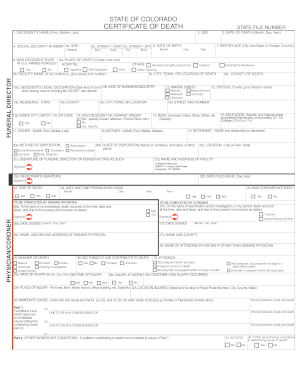

Rabies tag number. Date the vaccine was administered. Questions regarding submission can be directed to the VDL at 612-625-8787.
You vaccinate your dog against rabies, fill the prescribed form, attach proof of address and a photo, pay the fee and collect a licence plus a metal tag.


