01. Edit your form online
Type text, add images, blackout confidential details, add comments, highlights and more.

Type text, add images, blackout confidential details, add comments, highlights and more.

Draw your signature, type it, upload its image, or use your mobile device as a signature pad.

Send it via email, link, or fax. You can also download it, export it or print it out.
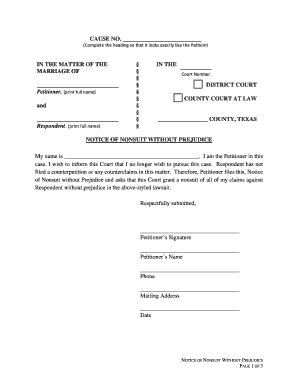
The "Answer to Custody Complaint (pdf) - Family Law Self-Help Center" is a legal form used by individuals, mainly in Nevada, to respond officially to custody complaints. This form serves as a formal reply submitted to the court in contested custody cases, allowing the defendant to admit or dispute allegations set forth in the plaintiff's complaint. It is essential because it states the defendant's stance on the issues raised and requests the desired court actions, such as denying the relief sought by the plaintiff.
Review the Complaint: Begin by carefully reading through the custody complaint you received. Understand each allegation and the relief requested by the plaintiff.
Fill Out Personal Information: Complete the section with your personal details, ensuring your name and contact information are accurate.
Respond to Allegations: For each allegation in the complaint, indicate whether you admit, deny, or lack sufficient information to admit or deny the claim. This step is crucial as it forms the basis of your legal stance.
Verification: After completing your responses, sign the verification statement, affirming the truthfulness of the information provided.
Document Filing: Submit the form to the appropriate court within the deadline specified, often 20 days from receiving the complaint. Ensure you have copies for your records.
The form is a fundamental aspect of self-representation in custody disputes. By utilizing this document, defendants formally record their position on the claims made by the other party. Legally, it acts as a pivotal part of the court record, influencing how the case proceeds, including potential court orders and future hearings. It establishes the issues under dispute and those agreed upon, providing a structured avenue for addressing custody matters.
Identification of Parties: Clearly lists the respondent and plaintiff, ensuring correct identification for legal proceedings.
Admissions and Denials: Sections for affirming or contesting specific allegations, structured to convey any uncertainties about claims.
Relief Requests: An area to lay out specific requests for court action, often seeking to deny the plaintiff's requested relief.
Verification Statement: Confirms the authenticity of the responses, requiring the respondent's signature under oath.
In Nevada, specific rules govern how custody matters are handled. The form adheres to state guidelines mandating response content, filing deadlines, and procedural requirements. Understanding local laws, such as filing within 20 days of receiving the complaint and using the standardized form language, is crucial for compliance and proper case management.
This form is primarily used by self-represented defendants engaged in custody disputes in Nevada. These individuals might not have legal representation and need a structured means to present their arguments and responses to the claims made by the other parent or guardian involved in the custody case.


Consider a scenario where a parent receives a custody complaint alleging neglect. Using this form, the parent can formally deny the neglect accusation, indicate willingness to cooperate with specific custody arrangements, and request additional court intervention to explore shared custody. This response becomes part of the court's analysis when determining child custody terms.
Responding to a custody complaint is legally necessary to protect your parental rights and interests. Failure to respond may result in a default judgment, where the court might rule in favor of the plaintiff without your input. By filing a well-prepared answer, you ensure that your perspective and demands are considered in the judicial process.
At DocHub, your data security is our priority. We follow HIPAA, SOC2, GDPR, and other standards, so you can work on your documents with confidence.