In the Crown Court at 2026

Get Form
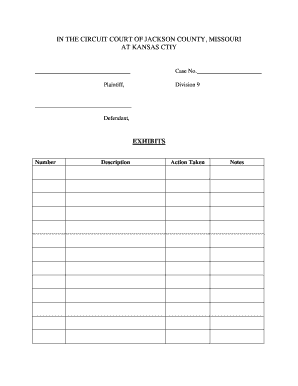
In the Crown Court at Preview on Page 1

Here's how it works

01. Edit your form online
Type text, add images, blackout confidential details, add comments, highlights and more.

02. Sign it in a few clicks
Draw your signature, type it, upload its image, or use your mobile device as a signature pad.

03. Share your form with others
Send it via email, link, or fax. You can also download it, export it or print it out.

Definition & Meaning

"In the Crown Court at" refers to a legal form used in the United Kingdom's Crown Court system, commonly involved in the preliminary hearing phase of a case. This document is crucial for managing the procedural aspects of a criminal trial, providing a structured outline of the case, including plea indications, expert evidence reliance, and case management directions. The form serves as a communicative tool for defining obligations of both the defendant and witnesses, thereby aiding in the efficient flow of the judicial process. Although the Crown Court system is exclusive to the U.K., the document's principles can inform similar procedural practices in court systems elsewhere, such as in the U.S.

How to Use the "In the Crown Court at"

This form is predominantly used by legal professionals, including defense attorneys, prosecutors, and court officials, to orchestrate the preliminary stages of a courtroom case. Usage involves:

  1. Filling Out Case Details: Include information on the defendant, charges, and legal counsel involved.
  2. Plea Indications: Document whether the defendant intends to plead guilty or not guilty.
  3. Evidence Management: Specify the expert evidence to be relied upon during the trial.
  4. Setting Dates: Establish dates for subsequent hearings, ensuring parties involved are duly notified.
  5. Requirement Clarifications: Outline specific requirements for documentation or witness testimonies.
  6. Signatures and Authentication: The form must be signed by the presiding legal representatives to authenticate its contents.

Steps to Complete the "In the Crown Court at"

Completing this form requires precision and attention to detail. Here is a step-by-step breakdown:

  1. Gather Necessary Information: Collect information about the case, including charges and legal representation details.
  2. Input Defendant Data: Enter the full name and relevant details of the defendant.
  3. Plea Options: Record whether the defendant has indicated a plea or if further time is needed.
  4. Evidence Submission: List any expert witnesses and their anticipated contributions to the case.
  5. Timeline Development: Set hearing and submission dates mutually agreeable for all parties involved.
  6. Review for Accuracy: Double-check all entered information to ensure its correctness to prevent procedural delays.
  7. Submit Form: Deliver the completed form to the court clerk by the specified channels, either digitally or in-person as per court guidelines.

Key Elements of the "In the Crown Court at"

This form incorporates several key elements essential for courtroom management:

  • Defendant and Charge Information: Essential personal and legal data required for processing the case.
  • Plea Indication Section: Where plea intentions or requirements for a future plea are documented.
  • Expert Evidence Details: Comprehensive information on expert testimonies expected during trial.
  • Dates and Timelines: Detailed sections that track important dates for submissions, hearings, and conventions.
  • Signature Requirements: Sections for signatures from relevant legal representatives authenticate the document's validity.

Legal Use of the "In the Crown Court at"

In the legal framework, this form ensures that all parties involved in a trial adhere to the judicial process's timelines and procedural norms. It functions as a legally binding document that outlines the expectations for both prosecution and defense, thus facilitating a structured approach to court proceedings. Legal practitioners must ensure strict compliance with the submission guidelines set by the court, including adhering to deadlines and accurately reflecting the case's status.

Required Documents

For effective completion and submission, the "In the Crown Court at" form requires several supporting documents, including:

  • Identification Documents: Proper identification for both defendant and legal representatives.
  • Charge Sheets: Formal documents outlining the specific charges against the defendant.
  • Evidence Lists: Detailed lists of all expert witnesses and other evidences that may be presented at trial.
  • Schedules: Proposed schedules for meetings and hearings prepared for mutual approval by involved parties.

Submission Methods (Online / In-Person)

The form can be submitted through various methods, accommodating different procedural preferences:

  • Online Submission: Many courts now offer electronic submission through secure web portals. This method requires following precise digital signature protocols.
  • In-Person Delivery: Although traditional, physical delivery to the court clerk remains a choice, ensuring documentation is filed directly to court officials.
  • Mail: Utilizing postal services for submission, particularly where online access is limited or court proceedings specify physical copies.

Penalties for Non-Compliance

Failure to comply with the requirements and guidelines related to the "In the Crown Court at" form can lead to several consequences:

  • Delayed Proceedings: Inaccurate or late submissions may result in postponed hearings.
  • Sanctions: Legal representatives may face sanctions or fines for not adhering to procedural norms.
  • Case Dismissal: In severe cases, persistent non-compliance might lead to dismissal of charges or an unfavorable ruling.
  • Reputational Damage: Ensuring compliance protects professional reputation and upholds the integrity of legal practice.
be ready to get more

Complete this form in 5 minutes or less

Get form

Got questions?

We have answers to the most popular questions from our customers. If you can't find an answer to your question, please contact us.
Contact us
The maximum penalty for an offence is the heaviest sentence that can be imposed for that offence.
Sentencing in the Crown Court Judges in the Crown Court can give out prison sentences and community orders. Find out more about the different types of sentence and see the guidelines for sentencing offences in the Crown Court.
Sentences a Crown Court can give A Crown Court can give a range of sentences including: community sentences. prison sentences - including life sentences.
Statistics demonstrate that there is a greater chance of acquittal in the Crown Court before a jury than after a summary trial in a Magistrates Court, but you should take legal advice about what is best in the individual circumstances of your case.
Currently courts can suspend a custodial sentence of up to 2 years and can suspend that sentence for up to 2 years. The court may also impose requirements such as unpaid work on the offender.

Security and compliance

At DocHub, your data security is our priority. We follow HIPAA, SOC2, GDPR, and other standards, so you can work on your documents with confidence.
Learn more
ccpa2
pci-dss
gdpr-compliance
hipaa
soc-compliance
be ready to get more

Complete this form in 5 minutes or less

Get form

People also ask

At the sentencing hearing the court will assess all aspects of the offence and the offender to arrive at a sentence that is fair and proportionate. At a sentencing hearing: the court will be told what the offender has been convicted of, whether and when they pleaded guilty and the verdict.
The Crown Court deals with the most serious criminal cases. Each case is overseen by a judge who is responsible for setting out the timetable in the case, making a judgement on any legal questions (such as whether certain types of evidence can be used) and sentencing the defendant if they are convicted.
Action: Also called a case or lawsuit. A civil judicial proceeding where one party sues another for a wrong done, or to protect a right or to prevent a wrong. Adjournment: Postponement of a court session until another time or place. Adjudication: A decision or sentence imposed by a judge.

Related links