




01. Edit your sport medical questionnaire online
Type text, add images, blackout confidential details, add comments, highlights and more.

Type text, add images, blackout confidential details, add comments, highlights and more.

Draw your signature, type it, upload its image, or use your mobile device as a signature pad.

Send it via email, link, or fax. You can also download it, export it or print it out.
A sport medical questionnaire plays a crucial role in ensuring the safety and well-being of student athletes before they engage in physical activities. This form is designed to collect detailed information concerning a student's health history, which includes current and past medical conditions, medication usage, and familial health issues. The primary objective is to evaluate whether the student is fit to participate in sports without risking injury or exacerbating existing health problems. Understanding this form's purpose helps parents, coaches, and healthcare professionals safeguard young athletes and provide necessary interventions where needed.
The sport medical questionnaire is divided into several essential sections that gather comprehensive health information. These sections typically include:
Student athletes, their guardians, and school administration teams use the sport medical questionnaire to ensure the safe participation of students in sports programs. Here's a practical approach to using the form:
Filling out the sport medical questionnaire requires following specific steps to ensure completeness and accuracy:
The sport medical questionnaire is primarily used in educational institutions to ensure the safety of student athletes. Key stakeholders who rely on this form include:


In the United States, the sport medical questionnaire serves as a vital document governed by legal requirements to guarantee the health and safety of student athletes. Compliance with federal and state laws regulating student health records, such as the Health Insurance Portability and Accountability Act (HIPAA), is necessary to maintain privacy and confidentiality. Additionally, signatures from licensed medical professionals are mandatory for the form to hold legal weight, ensuring that robust health assessments for students are conducted and appropriately documented before sports engagement.
Due to varying state regulations, there may be differences in the requirements and elements included in sport medical questionnaires across different U.S. states. These differences might involve:
Schools across the United States employ the sport medical questionnaire to promote health and safety in youth sports programs. Here are practical examples:
These examples demonstrate how important and versatile the sport medical questionnaire is in maintaining athlete safety and promoting optimal health.
By focusing on these critical aspects, schools and parents can ensure the effective deployment of the sport medical questionnaire for safeguarding student athletes’ health across all sporting disciplines.
We've got more versions of the sport medical questionnaire form. Select the right sport medical questionnaire version from the list and start editing it straight away!
At DocHub, your data security is our priority. We follow HIPAA, SOC2, GDPR, and other standards, so you can work on your documents with confidence.
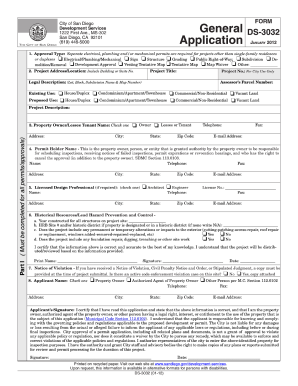
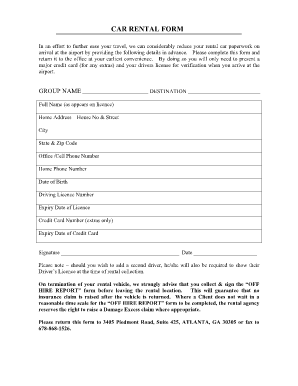
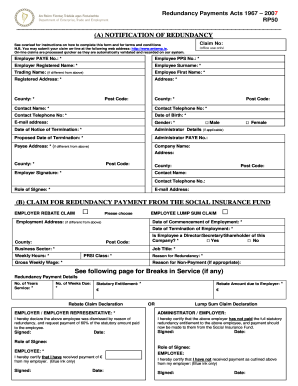


1. Do you have any concerns that you would like to discuss with your provider? 2. Has a provider ever denied or restricted your participation in sports for any
Nov 12, 2024 Questionnaires: Provided self-assessment anxiety questionnaires to help students evaluate their anxiety levels. We also compiled relevant
Please Describe? Have You Ever Been Advised Not To Participate In Athletic Activities Due To A Spine, Low Back, or SI Joint Injury? YES.Read more


