





Definition and Meaning of Forms Online
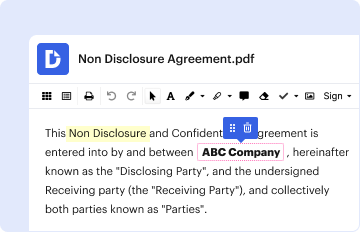
Forms online refer to digital documents that can be completed and submitted through internet-based platforms, rather than being filled out on paper. These forms streamline the process of data collection, submission, and management by utilizing web interfaces that can be accessed from a variety of devices, including personal computers, tablets, and smartphones. Online forms are used for diverse applications, such as tax submissions, applications for permits, registration forms, and much more. They reduce the need for physical paperwork and make accessing and processing information more efficient.
How to Use Forms Online
Using forms online is generally straightforward and user-friendly. Most platforms provide step-by-step guides, making it easier for users to understand and fill out the form accurately. Here’s a generalized approach to using an online form:
-
Access the Form: Navigate to the website hosting the form. This could be a government website, business portal, or personal service provider.
-
Read Instructions: Carefully read any provided instructions or guidance notes accompanying the form to ensure you understand what is required.
-
Fill Out Details: Enter the required information into the designated fields. Online forms may offer features such as drop-down menus and checkboxes to simplify data entry.
-
Review Information: Before submitting, double-check all entries for accuracy to avoid errors that might delay processing or lead to incorrect outcomes.
-
Submit the Form: Click on the 'Submit' button to send the form electronically. Some forms provide a confirmation page or email to indicate successful submission.
-
Save Confirmation: If provided, save a copy of the confirmation for your records.
Steps to Complete the Form Online
Successfully completing a form online involves several clear steps:
-
Gather Information: Before beginning, ensure you have all necessary documents and information. This may include identification numbers, previous filings, or financial details.
-
Create an Account: Many platforms require users to create an account or log in to access and submit forms. This provides a secure method to save progress and maintain a record of submissions.
-
Navigate the Form: Use navigation buttons or menu options to move through the form pages.
-
Use Form Tools: Take advantage of form tools such as auto-fill for repeated information, validation checks that prevent incorrect data entry, and help options that clarify technical terms or requirements.
-
Attach Documents: If the form requires supporting documentation, use the ‘attach files’ feature to upload them securely.
-
Confirm Submission: After completion, verify that the form has been submitted successfully. Most platforms offer a reference number or confirmatory email as proof of submission.
Why You Should Form Online
Choosing to form online provides several distinct advantages:
-
Efficiency: Electronic submissions are often faster to complete and process, especially if they integrate with automated backend systems for immediate review and confirmation.
-
Accuracy: Online forms often include built-in checks for correcting errors before submission, minimizing mistakes that could delay processing.
-
Accessibility: Being able to access and complete forms anywhere simplifies managing your affairs, whether individual, business, or legal.
-
Environmentally Friendly: Reducing paper usage contributes to environmental sustainability, a growing concern for businesses and individuals alike.
Important Terms Related to Forms Online
Understanding some key terms is essential for effectively dealing with online forms:
-
Encryption: This refers to the process of converting information into code to prevent unauthorized access during transmission.
-
SSL (Secure Sockets Layer): A protocol for establishing a secure connection and encrypting data that is sent over the internet.
-
Fillable Fields: Sections of the form where data can be entered, including text boxes and radio buttons.
-
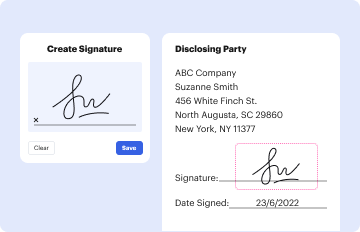
Digital Signature: An electronic method of signing that authenticates the signatory's identity and verifies content integrity.
-
Auto-Save Feature: Functionality that periodically saves entered data to prevent loss in case of an unexpected interruption.
Key Elements of Forms Online
Online forms typically consist of several fundamental elements:
-
Title and Instructions: The form begins with a title and often includes instructions or guidelines for completion.
-
User-Friendly Interface: Intuitive interface design helps users navigate and fill out the form without confusion.
-
Form Fields: Includes mandatory fields, optional entries, and sections for different categories of information.
-
Submission Button: Enables the final action to send the completed form, often accompanied by an online preview for verification.
-
Feedback Mechanism: Most systems offer confirmation of submission and sometimes feedback on the next steps or expected timelines.
State-Specific Rules for Forms Online
When dealing with online forms, it's essential to be aware of state-specific rules:
-
Regulations and Requirements: Some online forms, especially legal and tax-related ones, might have different requirements based on state laws. Familiarize yourself with variations such as documentation required or specific fields.
-
Compliance and Penalties: Failing to observe state-specific rules can lead to compliance issues or penalties, emphasizing the importance of familiarization with local legislation.
-
Updates and Changes: States may periodically update form requirements to reflect new regulations, so always check for the most recent version before completing an online submission.
Examples of Using Forms Online
The utility of online forms spans a wide range of applications:
-
Tax Filings: Online platforms for forms like the IRS 1040 allow for electronic submissions, reducing waiting time for processing and refunds.
-
Job Applications: Many companies use online forms for job applications, enabling applicants to easily provide necessary information and attach CVs or cover letters.
-
Permit Requests: Local governments often facilitate permit requests through online forms, which speeds up processing times and provides applicants with faster feedback.
-
Surveys and Registrations: Online forms provide an efficient way to collect survey data, manage event registrations, and enroll in educational or training programs.
With each application, the benefits of controlled accessibility, quick update capabilities, and reduced administrative burden become increasingly apparent.