




01. Edit your form online
Type text, add images, blackout confidential details, add comments, highlights and more.

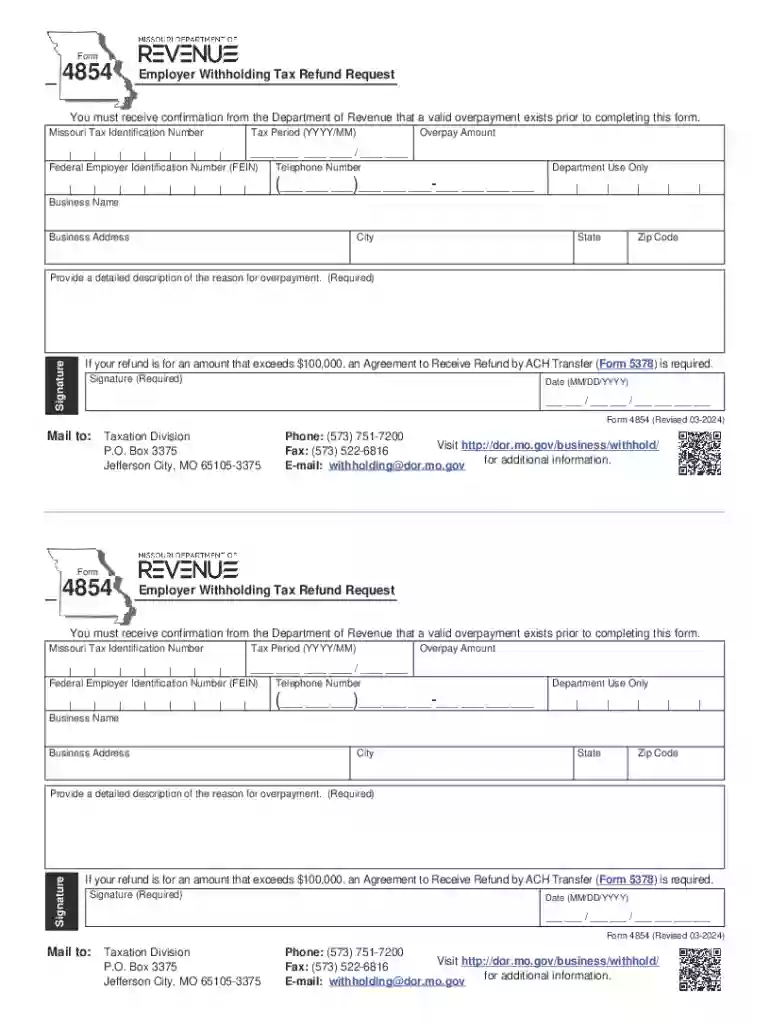
Type text, add images, blackout confidential details, add comments, highlights and more.

Draw your signature, type it, upload its image, or use your mobile device as a signature pad.

Send it via email, link, or fax. You can also download it, export it or print it out.
The Employer Withholding Tax Refund Request, identified in Missouri as Form 4854, serves as a formal application used by employers to reclaim overpaid withholding taxes. This refund process requires verification of a valid overpayment by the Department of Revenue, ensuring accuracy and compliance. Employers submit necessary financial details, including the Missouri Tax Identification Number and Federal Employer Identification Number (FEIN), to facilitate the processing of the refund. This form is a critical component for businesses aiming to correct overpayment discrepancies and manage their tax liabilities effectively.
Gather Required Information
Before filling out the form, collect all necessary data including the Missouri Tax ID, FEIN, and detailed business information. Prepare a concise explanation of the overpayment, supported by financial records.
Complete the Basic Information Section
Enter your Missouri Tax ID number, FEIN, and business name as they appear in state records. Accuracy in this section is vital to avoid delays in processing.
Detail the Overpayment
Clearly outline the reason for the overpayment and the exact amount. If the refund amount exceeds $100,000, you must complete an additional agreement form to accompany the request.
Sign and Submit
Ensure that the form is signed by an authorized representative of the business. Unsigned forms may be rejected or returned. After signing, submit the form to the appropriate division, either via mail or electronically, as per state guidelines.
Primarily, Form 4854 is used by businesses that have inadvertently overpaid their withholding taxes to the state of Missouri. This can include a wide range of entities such as corporations, partnerships, and limited liability companies (LLCs). The form provides a method for these businesses to correct errors and recover funds, fostering effective financial management. State tax officers and accountants often assist in this process to ensure compliance with regulatory standards.


Employers must adhere to specific legal protocols when pursuing a refund using Form 4854. Missouri law mandates that overpayments must be substantiated before any refund is issued. Misstating refund amounts can lead to audits or penalties, reinforcing the importance of accuracy and honesty in the application process. Additional agreements for significant refunds ensure that both the state and the business have documented understanding and legal backing for large transactions.
While Form 4854 is specific to Missouri, businesses should maintain awareness of IRS guidelines affecting overall tax reporting. Federal and state tax obligations often intertwine, necessitating precise alignment in filings to prevent discrepancies. Employers should consult with a tax advisor to understand interactions between state refunds and federal obligations.
Failing to file Form 4854 correctly or within the stipulated timeframe can result in penalties or interest charges on overpaid amounts still deemed payable. Non-compliance might also trigger audits, further emphasizing the need for detailed accuracy in submission. Documentation and reasonable cause assertions can mitigate penalties if errors are due to circumstances beyond control.
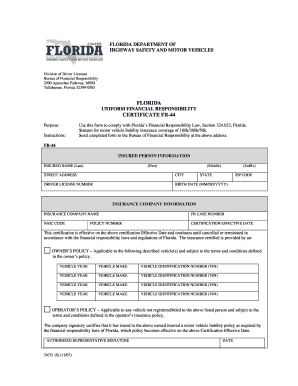
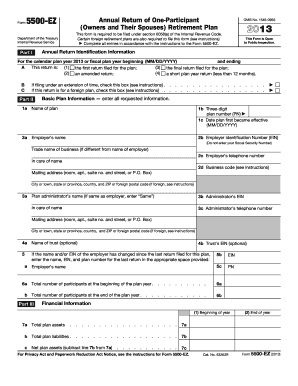
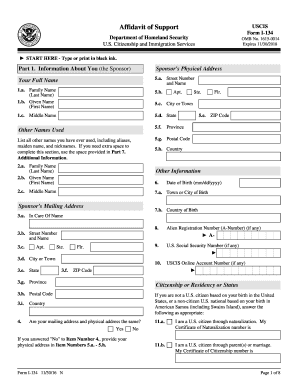
We've got more versions of the Employer Withholding Tax Refund Request form. Select the right Employer Withholding Tax Refund Request version from the list and start editing it straight away!
At DocHub, your data security is our priority. We follow HIPAA, SOC2, GDPR, and other standards, so you can work on your documents with confidence.



Employers who file IRS Form 944 may ask to be considered for annual Oregon withholding deposits. Send us a written request with a copy of your IRS notification.
This form is to be used to request a refund of Federal, State, or FICA taxes that were incorrectly withheld. Federal and State refunds can only be requested


