





Definition and Meaning
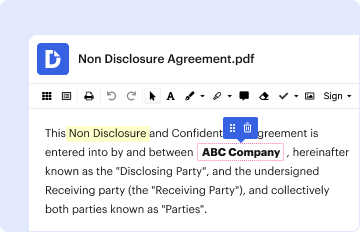
Understanding what it means to "form online" involves recognizing the process of using digital platforms to create, edit, and submit various types of forms via the internet. This capability allows individuals and businesses to manage documents efficiently, reducing the need for physical paperwork and in-person submissions. Forms can range from tax documents to legal applications and corporate paperwork, all of which can be processed through online systems.
Online forms are typically housed on platforms that offer customizable templates, allowing users to tailor the forms to their specific needs. Whether it's a simple contact form or a complex tax return, these digital solutions promote accessibility and convenience. Users can complete these forms from virtually any device with an internet connection, ensuring that geographical limitations do not impede their ability to submit necessary documentation.
How to Use the Form Online
To utilize online forms effectively, start by identifying the platform that hosts the form you need. Platforms like DocHub offer user-friendly interfaces designed to guide you through each step of the form completion process. Here's a simplified sequence of actions:
- Access the Platform: Visit the platform's website and search for the specific form using its name or related keywords.
- Open the Form: Select the form you need from the platform's library, ensuring it matches your requirements.
- Customize the Form: Edit fields as necessary. This might involve entering personal information, selecting options from dropdown menus, or signing the form.
- Review for Accuracy: Double-check all entered details to minimize errors and confirm that all required fields are complete.
- Submit or Save: Depending on the form's purpose, you may either submit it directly through the platform or save a copy for later use.
Using a platform that integrates with cloud services ensures that you can save progress and return to incomplete forms at your convenience.
Steps to Complete the Form Online
Completing a form online can generally be broken down into a series of straightforward steps. The efficiency of the process can significantly depend on the form's complexity and the platform's functionalities. Below is a typical workflow:
- Initiate the Form: Start by logging into your chosen platform and selecting the necessary form.
- Fill in Mandatory Fields: Begin with required fields, such as name, address, and other personal or business-related information.
- Upload Supporting Documents: If necessary, attach files like identification documents or previous records to support your form submission.
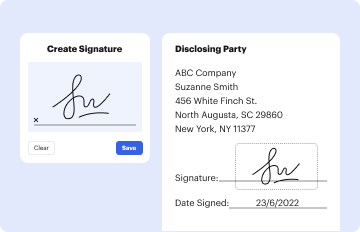
- Add Electronic Signatures: For forms requiring authentication, apply a digital signature. Many platforms offer multiple ways to create or upload a signature.
- Consult the Form Guide: Review any available instructions or help guides that may aid in understanding specific sections of the form.
- Final Review: Go through the entire form again to ensure all information is correct and nothing has been omitted.
- Submit the Form: Once satisfied with the completed form, submit it electronically. The platform should confirm the submission either via email or direct notification.
This process not only speeds up traditional form completion but often includes built-in validations to reduce errors.
Key Elements of the Form Online
Key elements fundamental to most online forms include user authentication, mandatory fields, and data security features. Understanding these components can enhance form-handling efficiency and accuracy:
- User Authentication: Many platforms require users to log in with personal credentials, ensuring data privacy and form integrity.
- Mandatory Fields: Forms are designed with essential fields that must be filled out to avoid rejection or processing delays.
- Data Security: Security protocols are in place to protect the data supplied on the form. This might include SSL encryption and user access controls.
- Form Backup: Platforms often include automatic saving features to prevent data loss during the form-filling process.
- Notifications and Updates: Users can opt to receive updates about form status changes or reminders for unsubmitted forms.
These elements work synergistically to create a streamlined and secure online form experience.
State-Specific Rules for the Form Online
Many forms are subject to state-specific regulations, particularly when dealing with legal or tax-related documentation. When filling out an online form, it's important to:
- Identify Jurisdictional Requirements: Recognize that states may have unique variations of standard forms.
- Consult Local Guidance: Reference official state websites or guidelines to confirm compliance with local regulations.
- Adjust for Regional Variations: Update any fields that may differ based on the state's legislation or procedural requirements.
State-specific adjustments ensure that the completion of the form respects local laws and policies, avoiding potential legal complications.
Legal Use of the Form Online
Using forms online for legal purposes necessitates adherence to certain requirements to ensure they are considered valid and binding:
- Adherence to Legal Standards: Online forms must comply with applicable laws, such as the ESIGN Act, which validates electronic signatures in the U.S.
- Document Integrity: Maintaining the integrity of the document during and after completion is critical, often supported by audit trails provided by the platform.
- Non-repudiation: The document should be tamper-evident to prevent alterations after all parties have signed.
- Ability to Archive: Legal forms often need archiving for record-keeping and future reference.
Document platforms provide support tools such as timestamping and access logs to ensure legal authenticity.
Who Typically Uses the Form Online
Several groups benefit from the efficiencies offered by online forms:
- Individuals: Completing tax returns or applying for legal permits can be simplified with online forms.
- Businesses: Small and medium enterprises use forms for administrative purposes, such as HR onboarding or financial reporting.
- Legal Entities: Law firms may use online forms for client questionnaires or contract agreements.
- Educational Institutions: Schools may gather student enrollment information through online applications.
These user groups leverage online forms to optimize their processes, reducing manual workload and improving data accuracy.


Required Documents for Form Online
The documentation required alongside a form can vary widely based on the form's purpose and requirements:
- Identification: Government-issued IDs, such as a driver's license or passport, may be required.
- Financial Records: Bank statements or tax returns could be needed for financial forms.
- Proof of Residence: Utility bills or lease agreements might be necessary for forms that require address verification.
- Supporting Evidence: Documents supporting claims or declarations within the form itself.
Ensuring all necessary documents are prepared and digitized before starting the form process can prevent delays and streamline the submission.