




Definition & Meaning
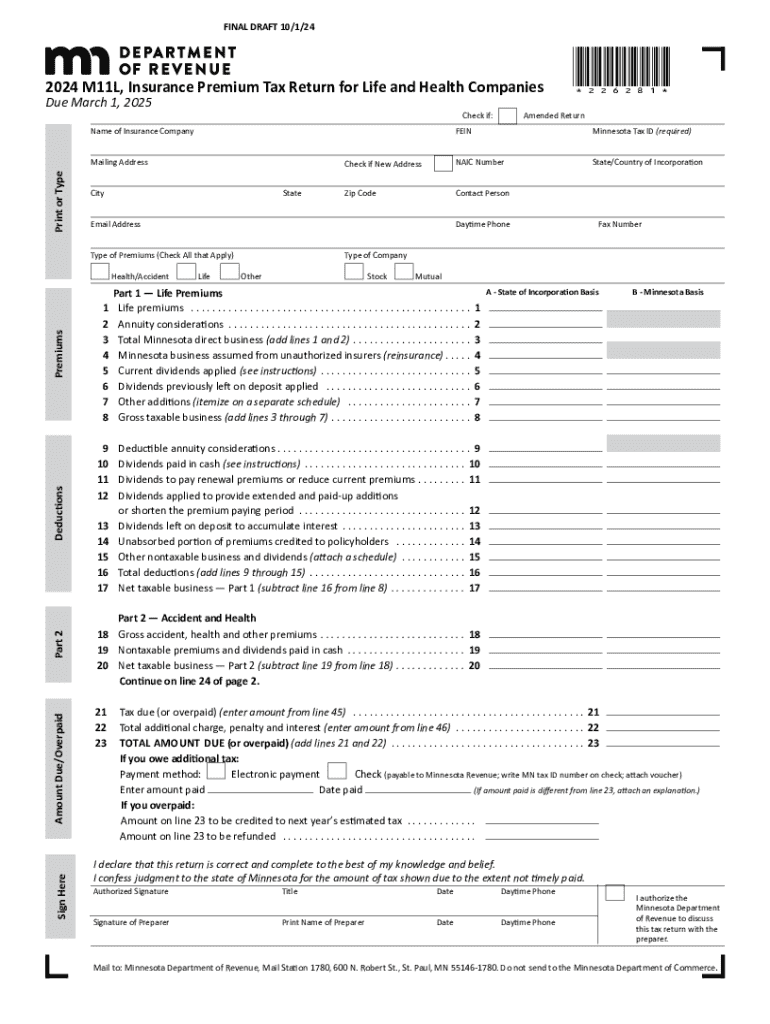
The term "form online" refers to a digital version of a document that can be completed, submitted, and processed through an online platform. This type of form eliminates the need for physical paperwork, offering a more convenient and efficient way to gather information, whether for personal, business, or governmental purposes. One of the main advantages of using forms online is their flexibility, as they can be designed to suit various types of data collection needs through customizable fields and options.
Applications of Form Online
- Business Use: Companies often utilize online forms for employment applications, customer feedback, and order submissions.
- Governmental Processes: Many governmental services now provide forms online to facilitate tax submissions, permit applications, and other public services.
- Education: Forms online are commonly used for student enrollment, course registration, and feedback.
How to Use the Form Online
Using an online form typically involves accessing a website that hosts the form, where users can fill out required fields and submit the information electronically. The process is streamlined and fast, allowing users to complete forms from any location with internet access.
Step-by-Step Use Instructions
- Access the Website: Navigate to the website hosting the form online.
- Open the Form: Click on the link or button directing you to the form.
- Fill Required Fields: Enter your information in the mandatory fields marked with an asterisk.
- Review Information: Check all entered details for accuracy and completeness.
- Submit: Once the form is complete, click the 'Submit' button to send it for processing.
Steps to Complete the Form Online
Completing an online form involves several straightforward steps that ensure all required information is captured accurately. This process not only saves time but also reduces the risk of errors commonly associated with manual form submissions.
Detailed Completion Steps
- Log Into Your Account: Begin by logging into the platform, if required, using secure credentials.
- Select the Form: Choose the correct form from a list of available options based on your specific need.
- Enter Personal Information: Fill in personal data such as name, contact details, and any identification numbers.
- Provide Additional Details: Complete any supplementary sections pertinent to the form’s purpose.
- Attach Documents: Upload supporting documents if required, ensuring they meet size and format specifications.
- Consent and Confirmation: Agree to any terms, and preview the completed form for errors or omissions.
- Submission: Complete the submission by clicking the designated button, and note any references or confirmation numbers provided.
Why Should You Form Online
Filing forms online presents several compelling reasons that make it the preferred option over traditional paper forms. Efficiency, accuracy, and accessibility are some of the primary benefits users experience.
Key Advantages
- Time-Saving: Completing forms online typically reduces processing time, as data is immediately available for review.
- Cost-Effective: Online forms eliminate the need for paper, printing, and mailing costs.
- Environmental Impact: Reduces paper waste, contributing to environmental sustainability.
Important Terms Related to Form Online
Understanding key terminology associated with online forms is essential for both completing and managing these documents effectively. These terms are often used within platforms that facilitate the use and processing of forms online.
Key Terms
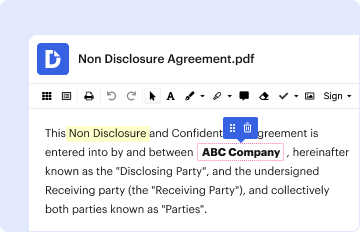
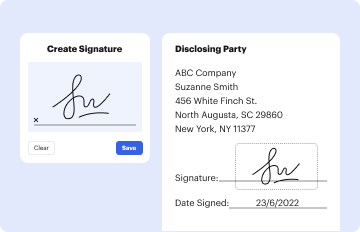
- Digital Signature: An electronic method for signing a document, providing authenticity and integrity.
- Encryption: The process of securing data through encryption technology to protect user information.
- Validation: A system check ensuring that all required fields are complete and formatted correctly before submission.
Legal Use of the Form Online
Forms filled out and submitted online have a legal standing similar to their paper counterparts when completed and signed correctly. This legal validity is often supported by regulatory standards.
Legal Framework
- Compliance: Online forms must adhere to various compliance regulations, such as the ESIGN Act in the U.S., to ensure they are legally binding.
- Privacy and Security: Data protection laws require secure encryption and confidentiality protocols for handling private information.
Examples of Using the Form Online
Various real-world scenarios demonstrate the applicability and benefits of using forms online. Some examples highlight how different sectors utilize online forms to achieve their objectives efficiently.
Real-World Scenarios
- Healthcare: Patient intake forms that allow for fast and secure data collection in medical facilities.
- Education: School admission applications that streamline the enrollment process.
- Employment: Job application forms that facilitate the recruitment process by enabling easy access to candidate information.