






Definition and Purpose of the Lead-Based Paint Hazard Addendum
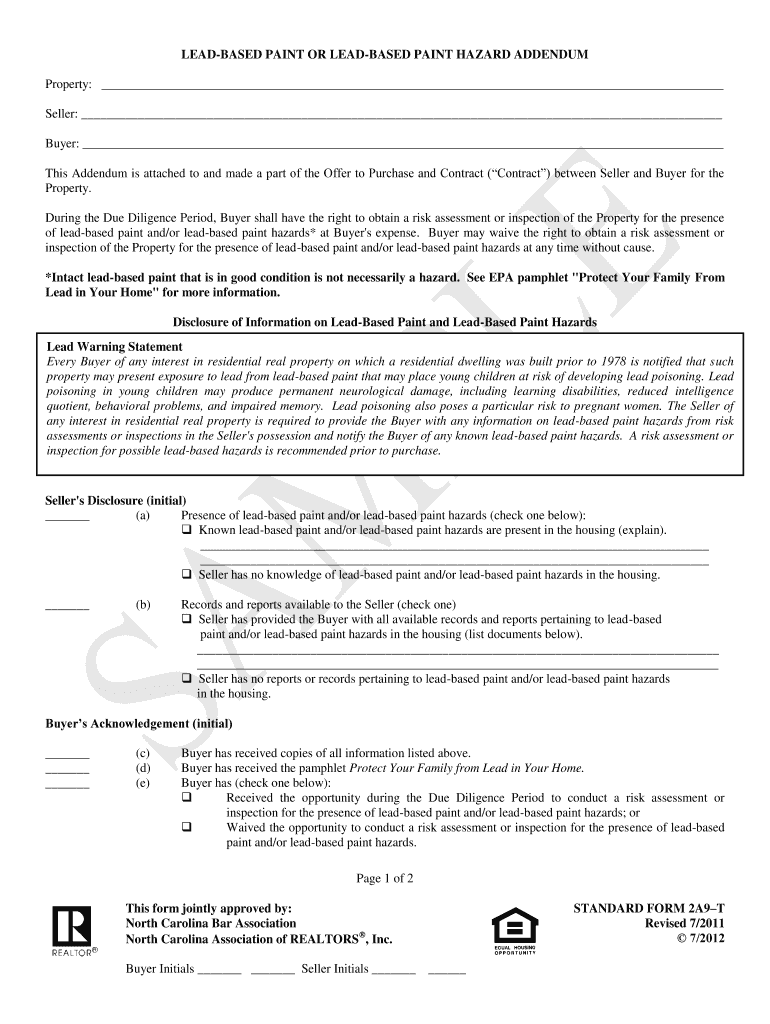
The Lead-Based Paint or Lead-Based Paint Hazard Addendum is a critical part of real estate transactions involving residential properties built before 1978. Its primary function is to inform and protect buyers from potential lead-based paint hazards. Compliance with federal regulations is mandatory, as exposure can lead to severe health issues, particularly in children and pregnant women. Sellers must disclose known hazards and provide buyers an opportunity to conduct an inspection for lead paint risks during the Due Diligence Period.
How to Use the Addendum
Using the Lead-Based Paint Hazard Addendum accurately is essential to ensure legal compliance and buyer protection. The process includes:
-
Seller Disclosure: Sellers must disclose any known presence of lead-based paint in the property. This information allows the buyer to make informed decisions and take necessary precautions.
-
Buyer Acknowledgment: The buyer acknowledges receipt of the addendum and any reports pertaining to lead hazards.
-
Inspection Rights: Buyers have the right to conduct risk assessments or inspections for lead-based paint hazards during the designated Due Diligence Period. It's crucial for identifying potential risks before the sale is finalized.
-
Agent Responsibility: Real estate agents involved in the transaction must ensure compliance by both parties and facilitate the sharing of information as stipulated in the addendum.
Steps to Complete the Addendum
Completing the Lead-Based Paint Hazard Addendum involves several key steps:
-
Review Background Information: Sellers should gather any available reports or records of lead-based paint hazards or testing done previously.
-
Disclose Information: Accurately fill out details about any known lead-based paint or hazards. Attach copies of any documentation or reports.
-
Buyer Acknowledgment: Once the information is disclosed, ensure the buyer signs the acknowledgment section, confirming they have received and understood the information.
-
Finalize During Due Diligence: Buyers must decide whether to conduct inspections. Then, document any findings and resolve negotiations or withdrawal based on outcomes.
Key Elements of the Addendum
The Lead-Based Paint Hazard Addendum includes critical sections that dictate its effectiveness:
- Seller's Declaration: This section demands complete honesty for the protection of all parties.
- Acknowledgment of Risks: Emphasizes the dangers associated with lead paint exposure, reinforcing the need for due diligence.
- Agent Certification: Confirms that the real estate agents have abided by all federal and state requirements in facilitating the transaction.
Legal Compliance and Use
The Lead-Based Paint Hazard Addendum is legally required for homes built before 1978 due to the prevalence of lead-based paints used before their widespread ban. Non-compliance can lead to significant legal penalties and liability for both sellers and agents. Adhering to these requirements not only protects financial interests but also ensures public health safety.
Important Terms Related to the Addendum
Familiarity with the following terms is beneficial for those dealing with the addendum:
- Due Diligence Period: The timeframe in which the buyer can inspect the property for hazards.
- Lead-Based Paint: Any paint, stain, or varnish containing lead. The substance is known for its durability and quick-drying properties but poses severe health risks.
- Risk Assessment: A professional evaluation conducted to identify the presence and threat of lead-based paint hazards.
Examples and Practical Use Cases
Illustrating the importance of the addendum can be done through various scenarios:
-
Case Study Example: A family buying a pre-1978 home conducts an inspection and discovers significant lead hazards. They use the information to negotiate necessary repairs before finalizing the sale, ensuring the property is safer for their children.
-
Agent Perspective: An agent ensuring all documents are completed accurately reduces liability risks and promotes transparent transactions.
-
Common Oversight: Failing to disclose past renovations impacting lead safety could lead to complications. Highlighting the necessity of full disclosure helps prevent legal issues down the line.
Disclosure Requirements and Responsibilities
Under federal law, disclosure of lead-based paint hazards is mandatory and involves a series of clear responsibilities for both sellers and real estate agents:
-
Seller Responsibility: Must disclose any known information regarding the presence of lead-based paint and provide a lead hazard information pamphlet to buyers.
-
Real Estate Agent Role: Required to inform sellers of their obligations and ensure that the addendum accompanies the sales contract to reinforce buyer's rights and information access. This ensures legal liability does not fall disproportionately on the buyer.