





Definition & Meaning
The term "form online" encompasses a wide range of documents that can be completed and submitted via the internet. This process eliminates the need for physical paperwork, allowing for more efficient data management and accessibility. Online forms are commonly used for various purposes, including tax filings, legal agreements, and application submissions. These forms can streamline workflows by providing a structured way to input and retrieve information while ensuring data integrity and security.
How to Use the Form Online
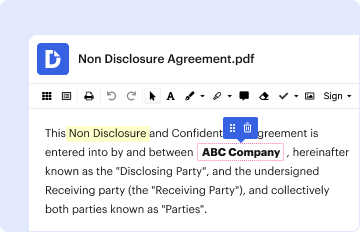
Using a form online typically involves several straightforward steps. First, locate the desired form on a website or platform like DocHub. Once found, open the form in an online editor, which allows you to interact with the document directly through your web browser. Begin by filling out the necessary fields, such as personal details, dates, and amounts, following any specific instructions provided. After completing the form, review your entries for accuracy and completeness before submitting it electronically. Many platforms offer options for saving a copy of your completed form for record-keeping purposes.
Steps to Complete the Form Online
- Access the Form: Navigate to the relevant website or platform and select the form you need.
- Fill in Required Fields: Enter all necessary information into the designated fields, ensuring that each section is complete.
- Attach Required Documents: If additional documentation is needed, upload these files to the form online.
- Review and Edit: Carefully review your inputs for accuracy. Make any necessary corrections before finalizing the form.
- Submit the Form: Follow the submission instructions provided, which may include online submission directly through the platform or emailing the completed form.
- Save a Copy: Download a copy of the submitted form for your records, and confirm that it has been successfully received.
Why Should You Form Online
Choosing to complete forms online provides numerous advantages. It significantly reduces time spent on paperwork and minimizes the risk of errors associated with manual data entry. Online forms are accessible from any location with internet access, allowing for greater flexibility and convenience. Additionally, many platforms offer features like automatic calculations and data validation, which help ensure the accuracy of your submissions. The digital nature of online forms supports environmentally friendly practices by reducing paper usage and waste.
Key Elements of the Form Online
Key elements of an online form include an intuitive interface, fillable fields, and clear instructions. Fillable fields are designed to guide users through the necessary information, such as text boxes for names and numbers or checkboxes for selections. Instructions should clearly outline any special requirements or conditions for filling out the form. The design should also facilitate ease of use, with a responsive layout accommodating mobile and desktop users. Security features, such as encryption, are essential for ensuring the confidentiality of sensitive information.
Legal Use of the Form Online
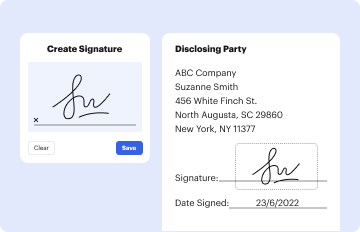
Online forms are often used in legal contexts, where valid electronic submissions hold the same weight as paper documents. Due to legislation like the ESIGN Act, electronic signatures are legally binding, providing assurance for agreements and contracts completed online. This legal recognition enables users to conduct transactions efficiently without needing physical presence, which is especially beneficial for international dealings. It's crucial, however, to ensure that forms used in legal contexts comply with relevant regulations and standards.
State-Specific Rules for the Form Online
Different states in the U.S. may have specific requirements or guidelines regarding the use of online forms. For instance, state tax forms may have unique fields or instructions that differ from federal versions. To comply with these variations, it's important to verify and follow any state-specific instructions when completing forms online. State websites and official portals often provide detailed guidance and resources to assist residents in navigating these requirements effectively.
Required Documents
When completing an online form, certain documents may be required to support the information provided. For example, identity verification might necessitate uploading documents like a driver's license or passport. Financial forms may require prior tax returns or income statements. It's important to gather all necessary documents beforehand to streamline the submission process. Reviewing the form's instructions early can help identify exactly what documentation is needed to avoid delays in processing.
Digital vs. Paper Version
The digital version of a form offers benefits that a paper version may not. Digital forms can incorporate interactive features such as drop-down menus and real-time validation, reducing mistakes and omissions. They can be completed and submitted without physical postage, saving time and resources. Conversely, paper forms might be preferred in areas with limited internet accessibility or where digital literacy is low. Understanding the pros and cons of each format helps determine the best method for your needs.
Software Compatibility
Online forms can often integrate with software like TurboTax or QuickBooks, enhancing their utility for tasks such as tax preparation and financial tracking. These integrations allow data to be transferred seamlessly between systems, reducing manual input and ensuring data consistency. Compatibility with popular software means that users can benefit from streamlined workflows, where data entered in one application is readily available for use in another, boosting efficiency and accuracy.
Taxpayer Scenarios (e.g., Self-Employed, Retired, Students)
Different online forms may be relevant to specific taxpayer scenarios such as self-employed individuals, retirees, or students. Self-employed users might need to file estimated tax payments using online forms, while retirees may use forms to report pension income. Students could be required to fill out educational tax credits or scholarship documentation. Each group may have unique filing requirements, emphasizing the importance of selecting the appropriate form to fit your specific circumstances.