





Definition and Meaning of "Form Online"
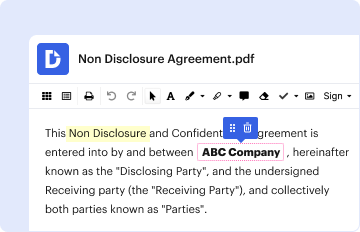
Form online refers to the digital representation and submission of various forms that are traditionally paper-based. This approach allows users to interact with forms electronically, providing the ability to fill out, sign, and submit them over the internet. The term covers a wide range of forms, including governmental, legal, and business documents, which can be completed using a computer or mobile device. The digitization of these processes streamlines paperwork, making it faster and more efficient. The online format often comes with features like fillable fields and electronic signatures, which simplify tasks previously requiring physical handling and postal delivery.
Steps to Complete the Form Online
Completing a form online involves a series of steps that enhance accuracy and efficiency:
-
Access the Form: Locate the desired form through the relevant organization's website or a document management platform like DocHub.
-
Review Instructions: Read all provided instructions carefully to understand the required information and any accompanying documents needed.
-
Fill in Details: Enter the requested data in the fillable fields, such as text boxes for names and addresses, checkboxes for selections, and dropdown menus for options.
-
Add Attachments: Upload any necessary supporting documents, such as identification or proof of address, when specified.
-
Verify Information: Double-check entered information for accuracy to avoid processing delays or rejections.
-
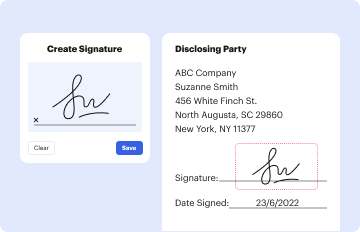
Sign the Form Electronically: Use electronic signature tools to sign the form. Options can include typing your name, drawing it with a mouse or touch screen, or uploading an image of your handwritten signature.
-
Submit the Form: Follow submission guidelines, whether sending the form via email or submitting it through the platform's online portal.
Benefits of Forming Online
Forming online provides multiple advantages for individuals and businesses alike:
- Time Efficiency: Reduces the need for physical travel and postal delivery, enabling instant submission and faster processing.
- Cost Savings: Eliminates the costs associated with printing, postage, and storage of paper forms.
- Enhanced Accuracy: Fillable fields help reduce errors by guiding the user on the type of information required.
- Convenience and Flexibility: Allows users to fill out, save, and revisit forms at their own pace from any location with an internet connection.
- Improved Accessibility: Adaptable for use on various devices, catering to different user needs and preferences.
Software Compatibility for Online Forms
Compatible software greatly enhances the form online experience:
- DocHub Integration: Offers seamless integration with platforms like Google Workspace, enabling document import and export from Google Drive and Gmail.
- Cross-Platform Use: Functions consistently across different operating systems and devices, making it accessible to a broader audience.
- Cloud Storage Integration: Works with services such as Dropbox, OneDrive, and Google Drive for easy file management and sharing.
- Electronic Signature Tools: Incorporates signature functionality compliant with legal standards like the ESIGN Act for legitimacy.
Legal Use of the Form Online
Legal considerations are critical when using forms online:
- Compliance with ESIGN Act: Ensures electronic signatures are legally binding and equivalent to handwritten signatures.
- Data Security: Utilizes technologies like 256-bit SSL encryption to protect sensitive information during form submission and storage.
- Audit Trail: Provides a detailed log of actions taken on a document, establishing authenticity and traceability for legal purposes.
Key Elements of the Form Online
Essential components that define a form online include:
- Interactive Fields: Areas specifically designed to enter user responses, such as text, checkboxes, and radio buttons.
- Validation Mechanisms: Built-in checks that verify data entered in fields meets specific criteria, preventing submission errors.
- Instructional Guidelines: Provides context and clarifications to assist users in accurate form completion.
- Submission Options: Offers multiple pathways for submitting forms, such as direct email, online upload, or integration with third-party services.
State-specific Rules for Forms Online
When dealing with forms online, awareness of state-specific regulations is essential:
- Variable Requirements: Different states may impose unique information requirements, formatting, or filing deadlines.
- Localized Instructions: Tailored guides ensure compliance with regional rules and regulations, minimizing the risk of errors or rejections.
- Examples: A form like an electronic tax submission might have distinct instructions for residents of New York versus California, reflecting their tax laws.
Examples of Using Form Online
Practical examples highlight the utility of forms online:
- Tax Filings: Individuals can submit tax returns electronically, availing themselves of faster processing and confirmation.
- Business Applications: Companies may apply for licenses or permits through online submission systems, accelerating approval processes.
- Medical Forms: Patients complete health history and consent forms digitally, streamlining administrative work in clinics and hospitals.
These sections ensure thorough coverage of the subject, clarifying the intricate aspects of using a form online and reinforcing the reader's understanding of its practical applications.