





Definition and Meaning of the Online Form
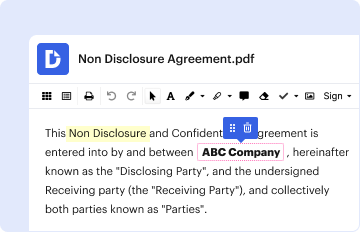
Forms online are digital versions of traditional paper forms used for collecting structured information from users via the internet. These forms are used across various sectors, including business, education, healthcare, and government, to streamline data collection efficiently and securely. They eliminate the need for physical paperwork and can be filled out from anywhere, as long as there is internet access, making them a vital tool for organizations seeking to optimize their operations. The data captured through online forms can be stored in databases for easy retrieval and analysis.
Steps to Complete the Form Online
-
Access the Form: Navigate to the website or platform hosting the form. This could be your email link, a company portal, or a direct website link.
-
Read Instructions Carefully: Before beginning, review any instructions or guidelines provided to ensure you understand the requirements and fields within the form.
-
Enter Required Information: Begin inputting data into the required fields. Fields with asterisks (*) are typically mandatory.
-
Save Progress: Many systems allow you to save your progress. Use this feature to avoid data loss if you are interrupted.
-
Review Details: Carefully check the entered information for accuracy, making adjustments where necessary.
-
Submit the Form: Once all data is complete and verified, click the submit button to send the form to the intended recipient.
Legal Use and Implications of the Form Online
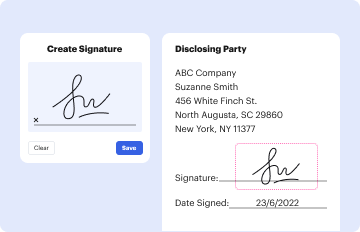
Filling out forms online comes with legal implications, especially when dealing with sensitive or official information. Legally binding forms often require users to provide consent through electronic signatures. Documents signed online adhere to acts such as the ESIGN Act in the United States, which treats electronic signatures as valid as handwritten ones. When dealing with online forms, it’s crucial to ensure that all data entries are accurate and truthful to avoid potential legal issues or penalties.
Key Elements of an Effective Online Form
-
User-Friendly Design: The interface should be intuitive to guide the user smoothly from start to finish.
-
Clear Instructions and Labels: Each field must be clearly labeled, and instructions should be easy to understand.
-
Responsive Layout: The form should function seamlessly on various devices, including desktops, tablets, and smartphones.
-
Data Validation and Error Checking: Automated validation helps prevent errors by requiring correct data formats before submission.
-
Security Measures: Use encryption methods to protect user data from unauthorized access and breaches.
Software Compatibility for Online Forms
An online form's compatibility with various software systems enhances its functionality and user experience. Forms can often be integrated with:
-
DocHub: Perfect for editing, signing, and sharing documents online.
-
Google Workspace: Forms can be seamlessly linked with Google Drive, allowing easy data import and export.
-
Accounting and Tax Software: Compatibility with tools like QuickBooks and TurboTax can simplify financial and tax-related entries.
Ensuring compatibility with these platforms boosts efficiency and allows smoother transitions between different work processes and systems.
Examples and Use Cases for Online Forms
Online forms cover a broad spectrum of applications, providing solutions for numerous scenarios:
-
Job Applications: Streamline the hiring process by allowing applicants to submit resumes and cover letters through tailored forms.
-
Customer Feedback: Collect customer opinions and suggestions to enhance service quality without needing physical feedback cards.
-
Event Registrations: Manage participant data efficiently for conferences or seminars through online registration forms.
-
Surveys and Research: Gather extensive data quickly for academic or market research projects.
Each use case highlights the versatility and widespread utility of forms online in various domains.
Important Terms Related to the Online Form
-
SSL Encryption: A security protocol that ensures data transferred over the internet is secure and private.
-
OAuth 2.0: An authorization framework that enables third-party applications to access user data without exposing passwords.
-
Fillable Fields: Interactive spaces within a form where users can input specified information, such as text boxes and dropdown menus.
-
Electronic Signature: A digital mark added to a form indicating consent or agreement, legally equivalent to a handwritten signature under the E-SIGN Act.
Understanding these terms is essential for effectively navigating and utilizing online forms.