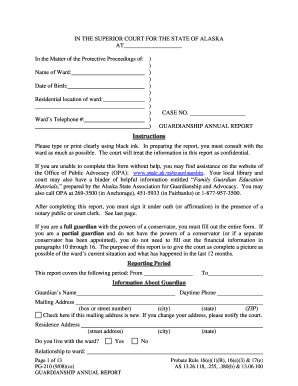
01. Edit your form online
Type text, add images, blackout confidential details, add comments, highlights and more.

Type text, add images, blackout confidential details, add comments, highlights and more.

Draw your signature, type it, upload its image, or use your mobile device as a signature pad.

Send it via email, link, or fax. You can also download it, export it or print it out.
The Subcontractor Agreement - Short Form W is a legally binding document that delineates the relationship between a contractor and a subcontractor. It outlines the specific terms and conditions of the subcontract, covering essential aspects such as scope of work, payment schedules, and dispute resolution. This agreement aims to ensure that both parties are clear about their responsibilities and obligations, thus minimizing the risk of potential disputes. By having a written document, both the contractor and subcontractor have a reference point for the expectations and deliverables associated with the project.
Scope of Work: This section details the tasks and objectives that the subcontractor is expected to perform. It often includes deliverables, deadlines, and quality standards.
Payment Terms: Outlines how and when the subcontractor will be compensated for their services. This can include hourly rates, lump-sum payments, or payment upon completion of milestones.
Insurance Requirements: The agreement specifies the type of insurance coverage the subcontractor must maintain, including Commercial General Liability and Workers' Compensation.
Indemnity Clause: This clause holds the subcontractor responsible for any claims arising from their work, protecting the contractor from liability.
Termination Conditions: Defines the circumstances under which either party can terminate the agreement and the procedures for doing so.
Completing this form requires careful attention to detail to ensure all relevant information is accurately captured. Here's a step-by-step guide:
Gather Information: Collect all necessary details about the subcontractor and contractor, including contact information and business credentials.
Define Scope of Work: Clearly outline what the subcontractor is expected to deliver, including timelines and standards.
Determine Payment Terms: Agree on the payment method and schedule, ensuring both parties are aligned.
Specify Insurance Requirements: Confirm the types and amounts of insurance the subcontractor must carry.
Include Legal Protections: Add clauses related to indemnification and dispute resolution.
Review and Sign: Both parties should review the agreement carefully before signing. Consider having legal counsel review the document to ensure compliance with applicable laws.
Using a Subcontractor Agreement - Short Form W is crucial for protecting the interests of both contractors and subcontractors. It establishes a clear legal framework that mitigates risks such as miscommunication, payment disputes, and liability issues. Having a structured agreement ensures that both parties are in agreement regarding the project's scope and expectations, which fosters a positive working relationship. Moreover, it provides legal recourse in case disagreements arise, helping to avoid costly litigation.
In the U.S., subcontractor agreements must adhere to federal and state laws. Legal compliance includes ensuring the document addresses labor laws, taxation, and any industry-specific regulations. The agreement should be drafted with precise language to prevent ambiguities and should be customized based on the nature of the work and geographical location. Consulting with an attorney specializing in contract law can help in creating a document that meets all legal requirements and stands up in court if challenged.
This form is primarily used by general contractors and subcontractors in the construction industry but is applicable to any sector where outsourcing parts of a project is common. Businesses that regularly engage subcontractors, such as IT firms, marketing agencies, and manufacturing companies, often utilize this agreement to formalize their contractual relationships. Even smaller projects benefit from clearly defined responsibilities and expectations between parties.


Certain states may have additional provisions or restrictions regarding subcontracting arrangements. It is essential to customize the Subcontractor Agreement - Short Form W to align with state-specific laws. For instance, California has stringent worker classification laws under Assembly Bill 5, while Texas may require particular insurance coverages. It is advisable to research state laws or consult with a local attorney to ensure compliance.
The choice between digital and paper versions of the agreement impacts ease of use and accessibility. Digital versions allow for easy distribution, electronic signatures, and integration with document management systems like DocHub. They provide additional security features such as encryption and audit trails. However, some parties may prefer paper versions for traditional filing systems or when electronic resources are limited. Both formats hold the same legal weight if they are properly executed and maintained.
At DocHub, your data security is our priority. We follow HIPAA, SOC2, GDPR, and other standards, so you can work on your documents with confidence.