Definition and Purpose of the Declaration of Gender Change
The Declaration of Gender Change is a legal document that officially records an individual's transition from one gender to another. This form serves to update gender markers on official documents and records, ensuring consistency across legal, identification, and personal records. In many jurisdictions, the declaration necessitates affirmation from a medical professional, often conforming to guidelines like those set by WPATH (World Professional Association for Transgender Health). This process provides legal recognition and supports individuals in reflecting their true gender identity in all facets of documentation.
How to Use the Declaration of Gender Change
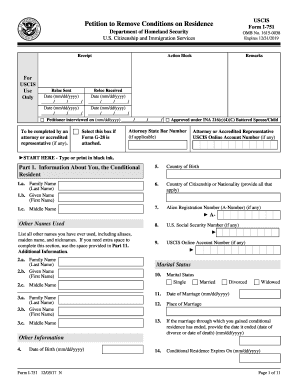
To effectively utilize the Declaration of Gender Change, individuals must follow the stipulated procedures, which may vary by state or federal requirements. Typically, the form is used to update gender markers on documents like passports, driver licenses, and social security records. Begin by obtaining the form from the relevant governmental authority, such as the Department of Motor Vehicles or equivalent agency in your state. Review specific requirements, which might include certified statements from healthcare providers affirming the gender transition.
Obtaining the Declaration of Gender Change
To obtain the Declaration of Gender Change, visit the official website of the issuing authority or contact them directly. The form is usually available for download online or can be requested by mail or in person at government offices. Some agencies provide step-by-step guides to assist applicants through the process. Ensure you gather all required supporting documentation before submitting the form to avoid processing delays.
Steps to Complete the Declaration of Gender Change
Completing the Declaration of Gender Change typically involves the following steps:
-
Download or Collect the Form: Obtain the form from the relevant governmental agency's website or physical location.
-
Fill Out Personal Information: Enter accurate personal data, including full name, current address, and previous gender identity if applicable.
-
Acquire Medical Certification: A qualified medical professional may need to provide a statement or certification affirming the gender change.
-
Compile Supporting Documents: Include any additional required documents, such as a certified birth certificate.
-
Submit the Application: Submit the completed form and documents via the prescribed method, which could be online, by mail, or in person.
-
Pay Applicable Fees: Fees may apply for processing, which should be verified with the issuing authority.
Legal Use of the Declaration of Gender Change
The Declaration of Gender Change holds significant legal weight, allowing individuals to amend gender markers on all official documents. This ensures accuracy and consistency in identification, legal standing, and for other official purposes. Compliance with this legal formality empowers individuals to enforce their rights in employment, healthcare, and legal situations, recognizing their gender identity accurately and consistently across various life domains.
Who Typically Uses the Declaration of Gender Change
The Declaration of Gender Change is predominantly utilized by transgender individuals who wish to officially reflect their gender identity on legal documents. It is also relevant for non-binary individuals seeking to update records to more accurately represent their identity. Legal guardians of minors may use the form on behalf of children undergoing a recognized gender transition process. Additionally, this form serves those rectifying records after an incorrect gender assignment was initially documented.


Important Terms Related to the Declaration of Gender Change
Understanding key terms related to the Declaration of Gender Change is crucial for a smooth application process. Key terms include:
-
WPATH Guidelines: These are standards developed by the World Professional Association for Transgender Health, often required for medical certification of the gender transition.
-
Gender Marker: A designation on official documents that reflects an individual's gender identity.
-
Medical Certification: A statement from a licensed healthcare professional endorsing the individual's gender transition.
-
Legal Guardian: An adult authorized to make legal decisions on behalf of a minor seeking a gender change.
State-Specific Rules for the Declaration of Gender Change
While the Declaration of Gender Change aims for consistency across most states, specific requirements may vary. Some states require additional documentation or offer simplified procedures compared to others. For instance, an affidavit from a medical professional is mandatory in certain jurisdictions, while others might only need a self-attestation from the applicant. Always verify the specific regulations and processes with state or local authorities to ensure compliance with local requirements.
Examples of Using the Declaration of Gender Change
Real-world scenarios illustrate the practical utility of the Declaration of Gender Change:
-
Driver License Update: In Ohio, an individual may use this declaration to update their driver license's gender marker, aiding in consistent identification for legal and daily use.
-
Passport Amendment: The form can be used to correct gender markers in a U.S. passport, facilitating international travel without discrepancies.
-
Social Security Record Updates: The declaration aids in aligning an individual's record with their current gender identity, which is critical for employment and social benefits.
These examples underscore the form's importance in enabling transgender and non-binary individuals to live authentically, reflected in official documentation.