Definition and Meaning
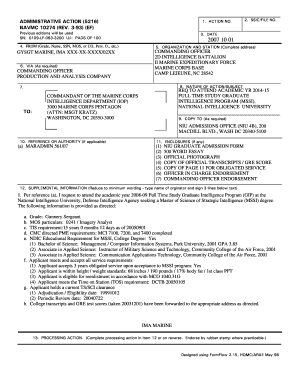
The term "declaratieformulier" refers to a reimbursement form typically used by organizations to document and process expenses incurred during specific activities. This form plays a crucial role in financial management, enabling volunteers or employees to legally claim back costs such as travel expenses. Organizations like Natuurmonumenten issue these forms to streamline the reimbursement process, ensuring transparency and accuracy in financial transactions. The declaratieformulier often includes fields for personal details, descriptions of expenses, and relevant dates, making it a comprehensive tool for tracking financial claims.
Key Features
- Expense Categories: The form allows for different types of expenses, such as travel, meals, and accommodation.
- Documentation Requirements: Users may need to attach receipts or proofs of purchase.
- Approval Workflow: Employers or organizations typically need to approve claims before issuing reimbursements.
How to Use the Declaratieformulier
Utilizing the declaratieformulier effectively requires understanding its structure and functions. Proper usage ensures that all incurred expenses during volunteer activities are accurately reported and reimbursed.
Step-by-Step Instructions
- Download or Obtain the Form: Access the declaratieformulier from the organization’s website or request a paper copy.
- Fill Out Personal Information: Include your name, contact information, and identification number if applicable.
- List Expenses: Clearly delineate each expense with descriptions, amounts, and corresponding dates.
- Provide Documentation: Attach necessary receipts or mileage logs to substantiate the claims.
- Review and Submit: Double-check all information for accuracy before submitting it to the designated department, either digitally or via mail.
Steps to Complete the Declaratieformulier
Filling out the declaratieformulier involves several detailed steps to ensure completeness and accuracy, which is essential for the approval and reimbursement process.
Detailed Completion Process
- Gather Relevant Documents: Collect all receipts, invoices, and other supporting materials before beginning the form.
- Begin with Personal Details: Accurately input your contact and identification details at the top of the form.
- Document Each Expense: For each expense entry, specify the type, amount, and date. Use separate lines for each to avoid confusion.
- Justification for Expenses: Provide clear explanations next to the listed expenses about their purpose and relevance to the activities.
- Required Approvals: Ensure signatures of any necessary supervisors or approvers are obtained before submission.
- Attach Supporting Documents: Securely attach all supporting receipts or logs to prevent any claims from being disqualified.
- Finalize and Submit: Follow the organization's guidelines for submission—either mail the completed form or upload it to the specified portal.
Common Mistakes to Avoid
- Omitting Receipts: Ensure that every listed expense has a corresponding receipt.
- Inaccurate Totals: Always double-check mathematical calculations to prevent discrepancies.
Key Elements of the Declaratieformulier
Understanding the key components of the declaratieformulier is integral to ensuring it meets organizational and legal standards.
Essential Sections
- Personal Identification: Usually found at the top, this section collects the claimant's personal data for record-keeping.
- Expense Log: Details all claims, usually including categories, dates, descriptions, and monetary values.
- Authorization Signatures: Designated space for necessary approvals from supervisors or responsible parties.
Additional Features
- Notes and Remarks Section: For any explanations or additional information about the listed expenses.
- Organization's Details: Often includes the issuing entity's name and contact information for reference.
Legal Use of the Declaratieformulier
The declaratieformulier must comply with financial and legal standards, ensuring it serves its purpose without violating any guidelines.
Compliance and Regulations
- Adhering to Organizational Policies: Follow whatever internal rules your organization sets for expense claims.
- Tax Implications: Depending on national laws, reimbursed expenses can be exempt from personal income tax, but accurate reporting is critical.
- Confidentiality Protocols: Respect privacy and data protection laws, particularly in handling personal data within the form.
Important Terms Related to Declaratieformulier
Familiarity with key terms associated with the declaratieformulier can enhance understanding and effective completion of the form.
Common Terminology
- Reimbursement: The act of being repaid for money spent on behalf of the organization.
- Claimant: The individual submitting the declaratieformulier to receive reimbursement.
- Approver: A designated authority responsible for reviewing and approving the submitted form.
Understanding Terminology
- Volunteering Expenses: Costs incurred during volunteer work, often eligible for reimbursement.
- Charitable Donation Deduction: Tax deductions that might apply if certain expenses are not reimbursed by the organization.
Form Submission Methods
Submitting the declaratieformulier correctly is vital to ensure timely reimbursement and compliance with organizational policies.
Available Methods
- Mail: Physical submission by sending the completed form to the designated department.
- Email: Scanning and emailing the document can be convenient and faster than mailing.
- Online Portal: Many organizations offer secure online platforms for submitting expense forms digitally.
Considerations for Each Method
- Mail: Ensure the submission is well before any deadlines to account for postal delays.
- Email: Always confirm receipt of email submissions through follow-up.
- Online Submission: Keep digital copies of all documents as backup.
Typical Users
- Volunteers: Especially those working for non-profits or charitable organizations like Natuurmonumenten.
- Employees on Official Duty: Individuals required to travel or make purchases as part of their job.
- Self-Employed Contractors: Freelancers who incur business-related expenses that need documentation for reimbursement.
Special Considerations for Each Group
- Volunteers: Often involve travel or project-specific expenses that need clear itemization.
- Employees: May require employer policy adherence for certain expense categories.
- Contractors: Need to maintain diligent records for both reimbursement and tax purposes.