Definition and Purpose of the Real Estate Withholding - Vermont Department of Taxes
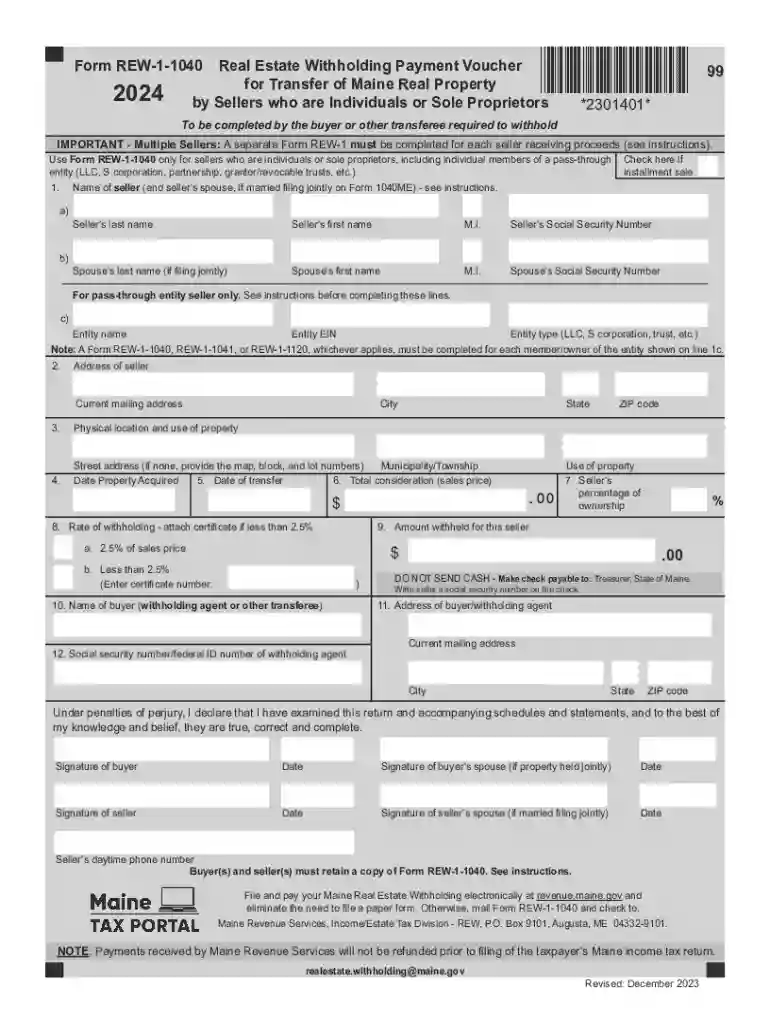
The "Real Estate Withholding - Vermont Department of Taxes" form is essential for transactions involving the sale of real estate property by nonresident sellers in Vermont. It ensures that appropriate tax withholdings are made on the proceeds from such sales. This withholding acts as a prepayment on any income taxes owed by the seller resulting from the property sale. The primary role of the withholding is to secure tax revenue for the state, as nonresident sellers might not file a tax return in Vermont otherwise. By ensuring this step is followed, the state mitigates the risk of tax non-compliance by nonresident sellers.
Key Objectives
- Ensure Payment of Taxes: This form is vital for ensuring that taxes associated with real estate transactions are collected.
- Facilitates Compliance: Provides a structured approach for withholding taxes and prevents potential avoidance.
- Prevention of Revenue Loss: Helps safeguard state revenue from sales involving out-of-state sellers who may not voluntarily report and pay their tax obligations.
Steps to Complete the Real Estate Withholding - Vermont Department of Taxes
Completing this form requires several specific steps to ensure accuracy and compliance. The form guides the withholding process for both buyers and sellers and must be completed accurately to avoid penalties.
Key Steps
- Gather Essential Information: Before beginning, collect all necessary details, including the seller's and buyer's information, property details, and sales price.
- Identify Withholding Requirements: Determine the correct withholding amount based on the sales price and applicable state rules.
- Fill Out Seller and Buyer Information: Complete sections designated for both parties, ensuring accurate and complete details.
- Calculate Withholding Amount: Use the provided guidelines to calculate the withholding obligation, generally a percentage of the sales price.
- Provide Signature and Date: Both parties must sign and date the form to certify the information.
Additional Details
- Verification: Ensure all information is correct to avoid legal issues or delays.
- Consult a Professional: Consider consultation with a tax professional for complex transactions.
Relevant Parties
- Nonresident Sellers: Individuals or entities selling property in Vermont but reside out-of-state.
- Real Estate Agents: Facilitate the transaction and ensure compliance with Vermont tax laws.
- Title Companies: Often assist in processing the necessary documentation during a property sale.
Scenarios of Use
- Sale of Secondary Homes: Properties owned by nonresidents used for vacation or rental purposes.
- Investment Property Sales: Transactions involving real estate investments by nonresident investors.
Important Terms Related to Real Estate Withholding
Understanding specific terminology is crucial for accurately completing the form and ensuring compliance with tax requirements.
Key Terms
- Withholding Tax: A portion of the sales proceeds withheld by the buyer and submitted to the state as an estimated tax payment for the seller.
- Nonresident Seller: A property seller who is not a tax-paying resident of Vermont.
- Sales Price: The final agreed-upon price between the buyer and seller for the real estate property.
Practical Examples
- Withholding Certificate: Issued to demonstrate compliance and prevent double taxation if the nonresident has already fulfilled their tax obligations elsewhere.
- Exemption Scenarios: Cases where withholding might not be required, such as specific tax treaty provisions or exemptions for certain transaction types.
Legal Use and Compliance
Maintaining legal compliance with the Real Estate Withholding form is crucial to avoid penalties or legal issues related to tax evasion or non-compliance.
Compliance Guidelines
- Adhere to Filing Requirements: Correctly file the withholding certificate with the Vermont Department of Taxes.
- Understand Exemptions: Be aware of possible exemptions and the conditions under which they apply.
- Timely Submission: Ensure forms are submitted by the required deadlines to avoid penalties.
Consequences of Non-Compliance
- Penalties: Possible financial penalties for incorrect form submissions or failure to withhold the correct amount.
- Legal Action: Potential legal implications if withholding requirements are ignored or misrepresented.
State-Specific Rules for Real Estate Withholding
Vermont has specific regulatory requirements for real estate withholdings that differ from other states, emphasizing the importance of understanding local laws.
Unique Vermont Regulations
- Withholding Percentage: Current legislation dictates the percentage of sales proceeds that must be withheld.
- Available Exemptions: Some transactions might be exempt, but these require specific documentation to verify eligibility.
Comparative Differences
- Across States: Withholding requirements vary significantly between states, impacting how multistate sellers handle their transactions and tax liabilities.
Filing Deadlines and Important Dates
Knowledge of critical deadlines ensures proper submission and avoids unnecessary penalties.
Key Deadlines
- Form Submission: Specific dates are set annually for when withholding forms must be filed.
- Tax Payment: Timely payment of withheld amounts ensures compliance and prevents penalties.
Impact of Late Submissions
- Penalties: Financial penalties accumulate for late submissions, stressing the importance of punctuality.
- Additional Interest: Accrued interest on outstanding amounts forms part of the penalty structure when deadlines are missed.
Software Compatibility and Submission Methods
Form submission has been streamlined with digital options complementing traditional methods.
Compatible Software
- TurboTax: Often used by individuals to facilitate tax calculations and submissions.
- QuickBooks: Assists businesses in tracking real estate-related transactions and corresponding tax obligations.
Digital vs. Traditional Methods
- Online Submission: Direct via Vermont Department of Taxes portals offers convenience and faster processing.
- Mail Submissions: Traditional mailing is still an option, ensuring access for those less technologically inclined.
Through comprehensive knowledge of these areas, users can effectively manage their responsibilities with the Vermont Real Estate Withholding form, ensuring compliance and avoiding unnecessary complications.