




01. Edit your form online
Type text, add images, blackout confidential details, add comments, highlights and more.

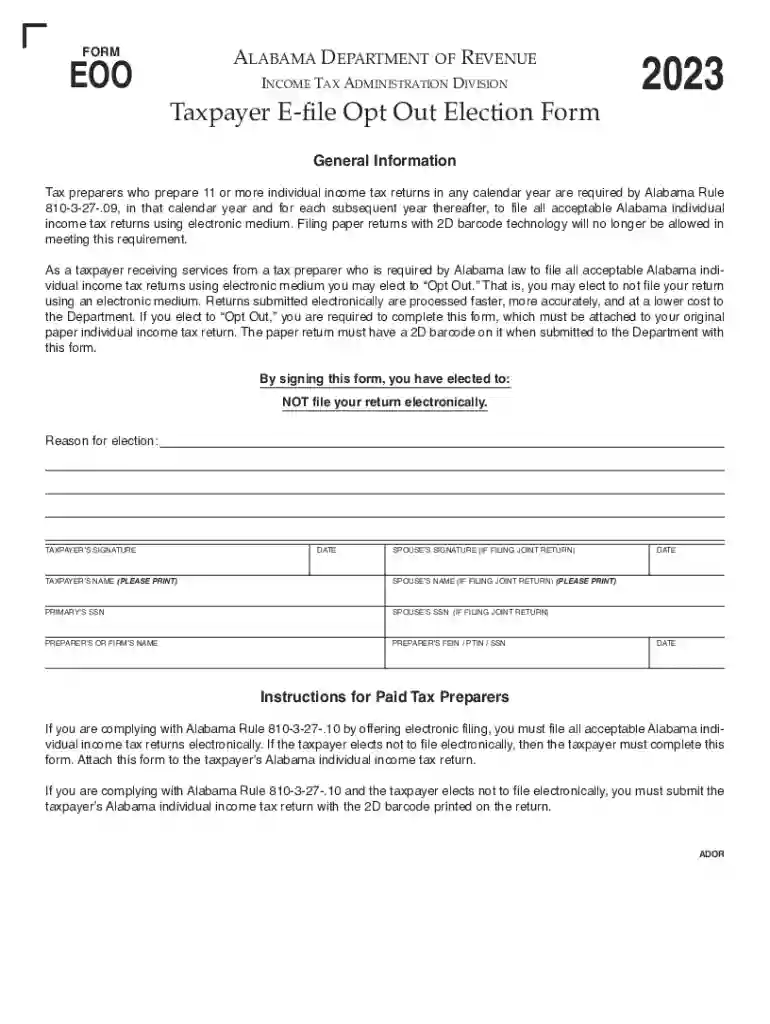
Type text, add images, blackout confidential details, add comments, highlights and more.

Draw your signature, type it, upload its image, or use your mobile device as a signature pad.

Send it via email, link, or fax. You can also download it, export it or print it out.
The Drake Tax - State e-File Mandates form is a critical component for tax professionals in the United States who are managing state electronic filing requirements. It facilitates the process for tax preparers to adhere to state-specific electronic filing mandates efficiently. This form is an essential tool in streamlining the process of submitting state tax returns electronically, thus ensuring compliance with state regulations.
To use the Drake Tax - State e-File Mandates form effectively, tax preparers must first determine which states have specific electronic filing requirements and understand the particulars of those mandates. Once aware of the state-specific needs, preparers can utilize the form to ensure that each return complies with the necessary e-filing procedures. It is important to integrate this process into the overall tax preparation workflow to avoid delays or non-compliance penalties.
Familiarity with specific terminology is crucial for understanding and utilizing the Drake Tax - State e-File Mandates form:
Each state may have distinct rules and guidelines regarding electronic filing. For example, some states might mandate e-filing for returns prepared by professionals, while others offer exemptions or opt-out provisions under specific conditions. Understanding these rules is essential for compliance:
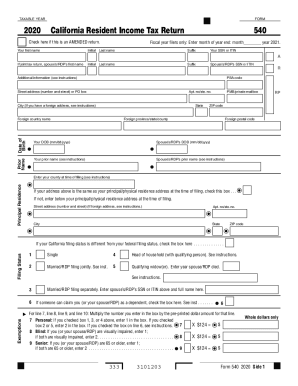
Consider a tax preparer servicing clients in both California and New York. The preparer must use the form to manage differing requirements – mandatory e-filing for all eligible return types in California, whereas New York allows opting out for certain charitable entities. This adaptability highlights the form's utility.
Timely submission of state tax returns is vital to avoid penalties. Most state tax returns are due by April 15th, parallel to federal deadlines, but some states may have different dates for specific filings or extensions:
To effectively complete the form, several key documents and pieces of information are typically required:
Failure to comply with state e-file mandates can result in penalties ranging from fines to more severe consequences for repeated violations. Penalties often depend on the severity of non-compliance and state-specific regulations:
Understanding penalties helps maintain compliance and avoid adverse financial impacts.
We've got more versions of the Drake Tax - State e-File Mandates form. Select the right Drake Tax - State e-File Mandates version from the list and start editing it straight away!
At DocHub, your data security is our priority. We follow HIPAA, SOC2, GDPR, and other standards, so you can work on your documents with confidence.

by A Duncan 2020 Cited by 1 Returns/Preparer Years provided an e-file option. state and federal filing requirements. These numbers decrease with the e-filing process to .6% and 1.1%
The IRS CF/SF Program forwards certain information returns filed electronically through the IRS e-file system to participating states free of charge forRead more


