




01. Edit your form online
Type text, add images, blackout confidential details, add comments, highlights and more.

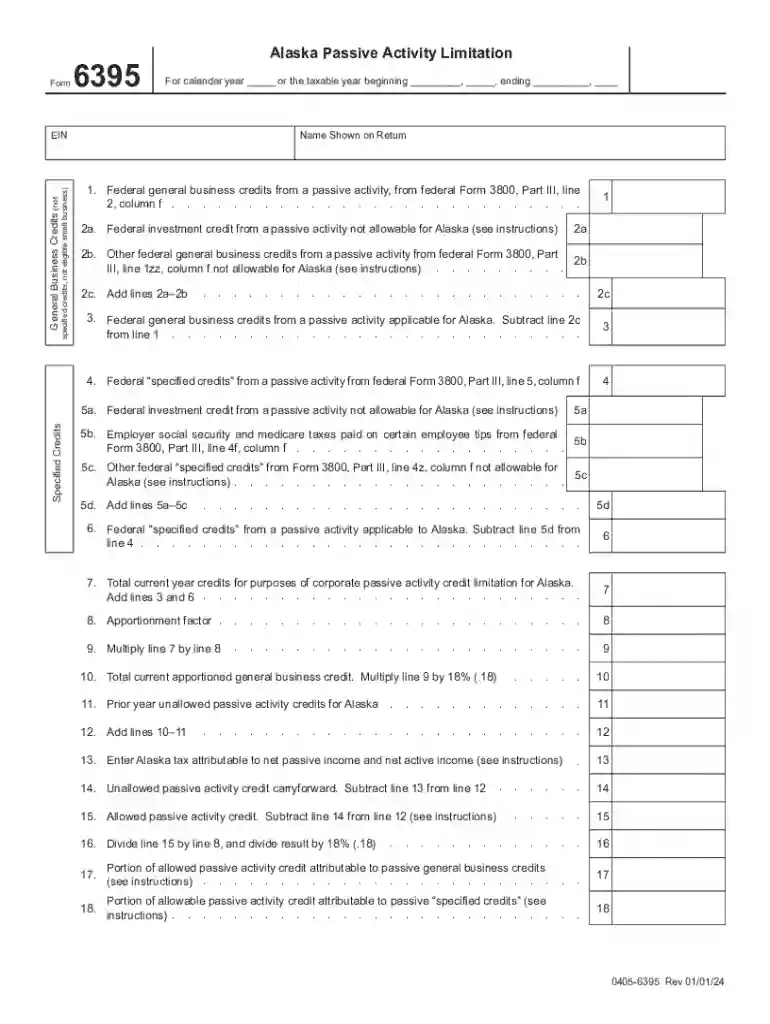
Type text, add images, blackout confidential details, add comments, highlights and more.

Draw your signature, type it, upload its image, or use your mobile device as a signature pad.

Send it via email, link, or fax. You can also download it, export it or print it out.
The "26 U.S. Code § 469 - Passive Activity Losses and Credits Limited" is a section of the U.S. Internal Revenue Code that governs the rules related to passive activity losses and credits. These regulations restrict the amount of losses and credits from passive activities that taxpayers can use to offset other taxable income. The aim is to prevent taxpayers from using losses from passive investments, such as rental properties or businesses in which they do not actively participate, to reduce their tax liabilities significantly.
Passive activities typically include operations where the taxpayer does not engage in the business regularly, continuously, and substantially. Significant understanding of this code section is essential for individuals and businesses involved in such passive investments to ensure compliance and optimize tax benefits.
Using the 26 U.S. Code § 469 effectively involves understanding the classification of activities as either passive or non-passive. For tax reporting purposes:
Identify Activities: Determine whether your ventures are active or passive. Passive activities usually include rentals and businesses where you are a non-material participant.
Calculate Income and Losses: Accurately calculate income from both active and passive sources. Passive losses can generally only be deducted against passive income.
Track Passive Credits: Keep a detailed record of any credits related to passive activities, as they can impact your overall tax situation.
Apply Rules Consistently: Ensure you consistently apply passive activity loss limitations within your tax filings to avoid discrepancies.
Engagement with a professional tax advisor is recommended when dealing with complex situations to ensure adherence to IRS regulations and maximum benefit utilization.
To comply with the regulations outlined in 26 U.S. Code § 469, follow these steps:
Gather Financial Data: Collect all relevant documents that detail both income and losses associated with your passive activities.
Evaluate Participation Level: Assess your level of involvement in each business activity to determine if it qualifies as passive.
Use IRS Worksheets: Follow the provided IRS worksheets to systematically apply passive loss limitations.
Adjust Carryovers: If activities result in a net loss, adjust any carryovers properly for future tax years.
File with Accuracy: Ensure that your tax return accurately reflects these losses and credits as per legal requirements.
Accuracy in filing and correct documentation submission are crucial to avoid penalties.
This code section includes several crucial components:
Passive Activity: Defined as a trade or business activity in which the taxpayer does not materially participate.
Loss Limitations: Losses from passive activities cannot exceed income derived from these passive activities in a given tax year.
Credits Limitation: Similar restrictions apply to credits generated from passive activities unless specific exceptions apply.
Material Participation: The code provides criteria to determine what qualifies as material participation in the activity.
Taxpayers must understand these elements to effectively manage their tax obligations.
Individuals and businesses most affected by the 26 U.S. Code § 469 are those engaged in investments where they do not materially participate. This group includes:
Real Estate Investors: Primarily those hiring property management services, making their activity passive.
Limited Partners: Investors in partnerships who do not participate in day-to-day management.
Trusts and Estates: Managing assets that generate passive activities.
Understanding who needs to apply these restrictions supports better financial planning and tax efficiency.


Passive Activity Loss (PAL): Loss incurred from passive activities exceeding passive income.
Material Participation: Active and substantial involvement in business operations.
Active Income: Earnings where the taxpayer has active and substantial involvement.
Carryover Losses: Unused passive losses that are carried over into subsequent tax years.
Recognizing these terms aids effective navigation through tax forms and regulations.
While federal law governs passive activity loss limitations, some states may have additional rules or modifications. It is important to:
Review State Tax Codes: Understand how your state’s regulations affect federal rules.
Consult State Guidelines: Each state's treatment of passive losses might vary significantly.
Seek Professional Advice: Tax professionals can provide insights into local nuances to ensure compliance and optimization.
Awareness of state-specific requirements prevents inadvertently violating tax rules.
Adhering to tax deadlines is crucial:
Annual Tax Filing: Ensure passive activity losses and credits are reported by the usual tax return deadlines, generally April 15 for individuals.
Extension Requests: Consider filing for an extension if necessary, but remember the extension typically only delays the filing, not the payment.
Quarterly Payments: Those who pay estimated taxes should factor in passive income when calculating quarterly payments to the IRS.
Remaining vigilant about important dates supports compliance and avoids penalties.
We've got more versions of the 26 U S Code469 - Passive activity losses and credits limited form. Select the right 26 U S Code469 - Passive activity losses and credits limited version from the list and start editing it straight away!
At DocHub, your data security is our priority. We follow HIPAA, SOC2, GDPR, and other standards, so you can work on your documents with confidence.
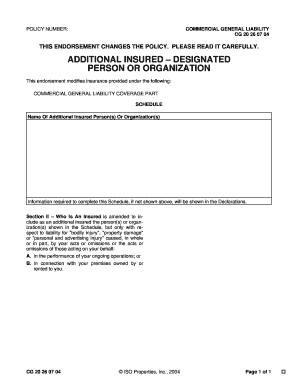



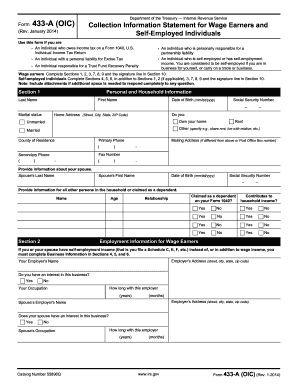
The deduction equivalent of credits from a passive activity for any taxable year is the amount which (if allowed as a deduction) would reduce the regular taxRead more
469. Passive activity losses and credits limited (a) Disallowance (1) any loss or credit from an activity which. Passive activity includes any rental activity


